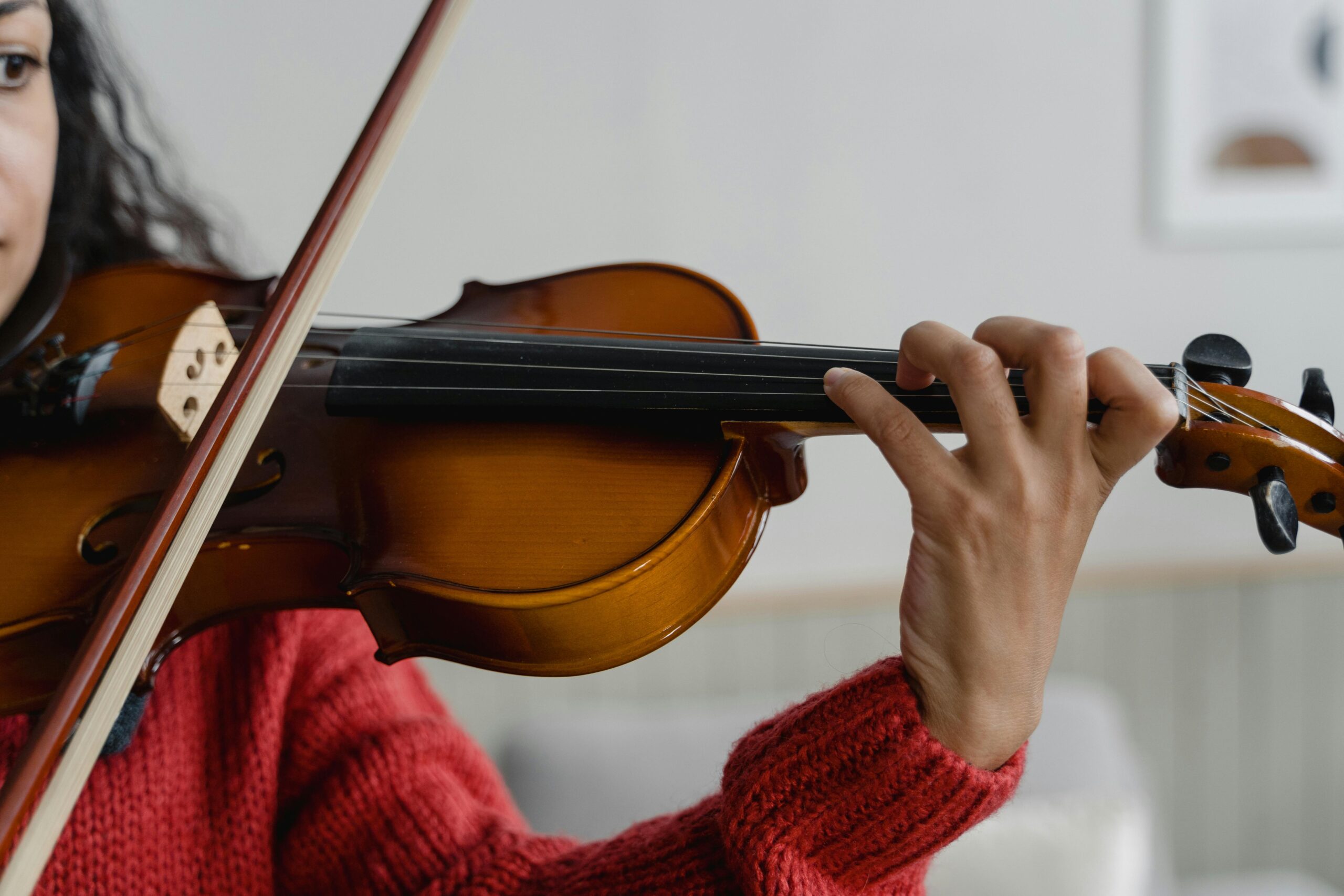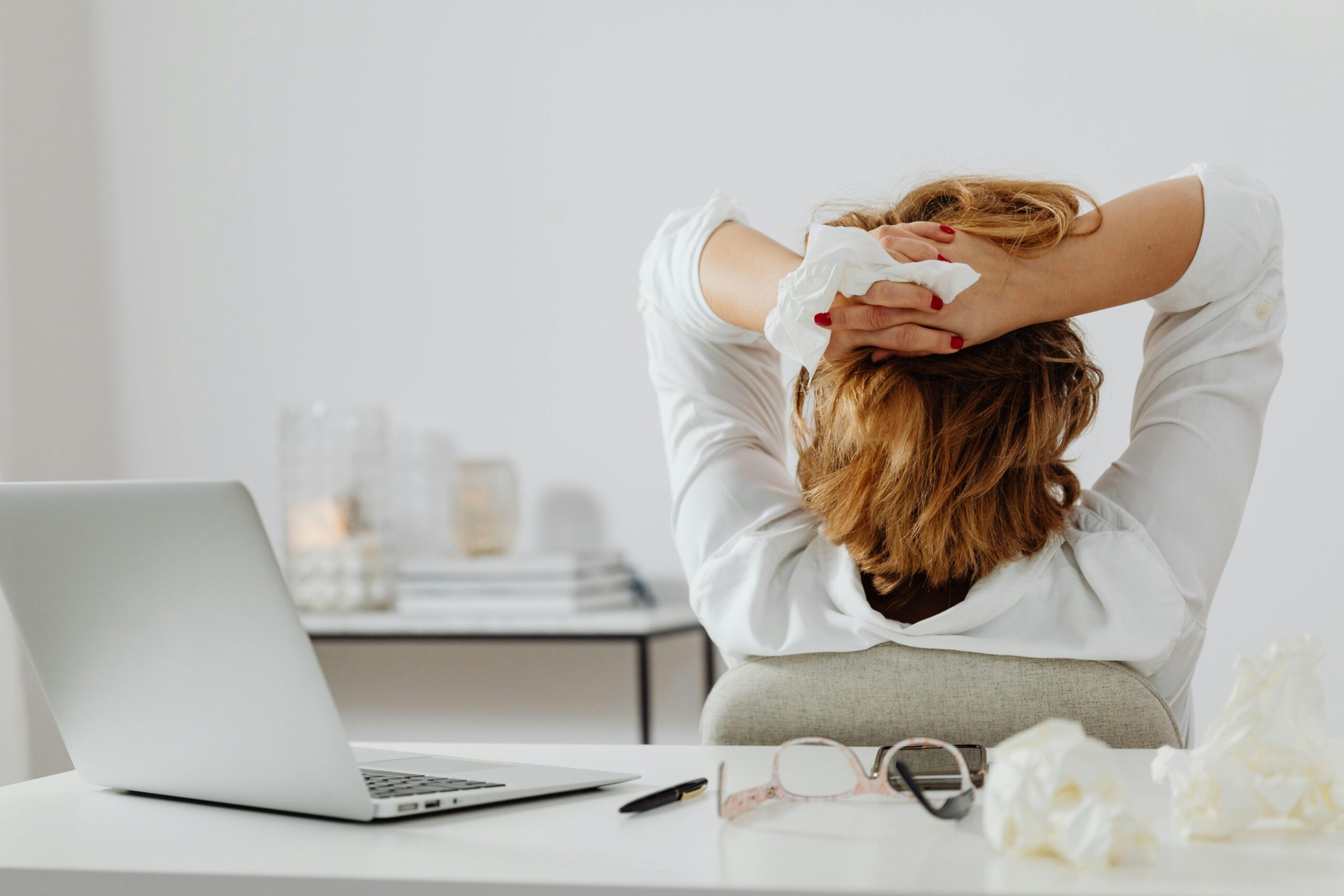
In our fast-paced digital world, our hands bear the brunt of repetitive stress, typing, scrolling, and gripping. The tension accumulates silently, creating discomfort that radiates throughout your entire body.

When stress levels rise and your hands feel tight, cramped, or fatigued, you don’t need a lengthy meditation session or expensive spa treatment. Simple shake-out micro-routines can deliver instant relaxation, improved circulation, and relief from accumulated tension in just minutes. These quick exercises are your portable stress-relief toolkit, available whenever and wherever you need them.
🤲 Understanding Hand Stress and Its Hidden Impact
Your hands contain 27 bones, 29 joints, and over 120 ligaments, making them incredibly complex structures. This intricate design makes them susceptible to stress, repetitive strain, and tension that often goes unnoticed until it becomes painful.
Modern lifestyles place unprecedented demands on our hands. The average person spends over seven hours daily on digital devices, creating repetitive motion patterns that strain muscles, tendons, and joints. This chronic tension doesn’t stay localized—it travels up your arms, settles in your shoulders, and contributes to neck pain and headaches.
Hand stress manifests in multiple ways: stiffness upon waking, difficulty gripping objects, tingling sensations, soreness in your palms or fingers, and general fatigue. Many people don’t realize their overall stress levels are reflected in their hands, where unconscious clenching and tension become habitual patterns.
The Science Behind Shake-Out Routines
Shake-out movements work through multiple physiological mechanisms. When you shake your hands vigorously, you’re activating the body’s natural relaxation response while simultaneously addressing physical tension.
These micro-routines increase blood flow to your extremities, delivering fresh oxygen and nutrients while removing metabolic waste products that accumulate during static postures. The shaking motion stimulates proprioceptors—sensory receptors that provide your brain with information about body position and movement—which helps reset neuromuscular patterns.
From a neurological perspective, shake-out exercises engage your parasympathetic nervous system, the body’s “rest and digest” mode. This counteracts the stress response dominated by your sympathetic nervous system, creating an immediate calming effect that extends beyond your hands to your entire body.
Breaking the Tension Cycle
Muscle tension creates a self-perpetuating cycle. Tight muscles restrict blood flow, which leads to discomfort, causing you to unconsciously tense up more. Shake-out routines interrupt this pattern by forcing movement, relaxation, and renewed circulation.
Research in occupational health demonstrates that brief movement breaks significantly reduce musculoskeletal discomfort and improve productivity. Just two minutes of targeted movement can decrease perceived stress levels and enhance focus for the next work period.
✨ Essential Hand Shake-Out Techniques
These foundational techniques form the core of effective hand relaxation micro-routines. Each exercise takes 30-60 seconds and can be performed individually or combined into a comprehensive routine.
The Classic Shake-Out
Begin with your arms relaxed at your sides. Lift your hands to shoulder height and shake them vigorously as if you’re flicking water off your fingertips. Let your wrists stay completely loose and floppy, allowing gravity and momentum to do the work. Continue for 15-20 seconds, then pause and notice the tingling sensation of increased blood flow.
This basic movement is deceptively powerful. The rapid, repetitive motion releases accumulated tension while the looseness required prevents you from engaging in the same tight gripping patterns that created stress in the first place.
Finger Fans and Spreads
Spread your fingers as wide as possible, creating maximum space between each digit. Hold this stretched position for three seconds, feeling the muscles between your fingers activate. Then make a gentle fist, bringing your fingertips toward your palm without squeezing tightly. Alternate between these positions 10-12 times.
This exercise addresses the small intrinsic muscles of your hand that rarely receive attention. These muscles fatigue easily during typing and gripping activities but respond quickly to targeted stretching.
Wrist Circles and Rotations
Extend your arms forward with elbows slightly bent. Make slow, deliberate circles with your hands, rotating from the wrist joint. Complete five circles in one direction, then reverse for five more. Gradually increase the size of your circles to explore your full range of motion.
Wrist mobility directly impacts hand comfort. Stiff wrists force your fingers and forearms to compensate, creating tension throughout your upper extremities. Regular wrist rotations maintain joint health and flexibility.
🎯 Strategic Micro-Routine Timing
The effectiveness of shake-out routines depends not just on technique but on strategic timing. Understanding when to implement these exercises maximizes their stress-relieving benefits.
The 25-Minute Mark
Research on attention spans and physical endurance suggests that 25 minutes represents an optimal work interval. After this period, both mental focus and physical comfort begin declining. Setting a timer to perform a 90-second hand shake-out routine every 25 minutes prevents tension accumulation rather than responding to it after discomfort develops.
This proactive approach keeps your hands in a consistently relaxed state, preventing the deep-seated tension that requires longer recovery periods.
Transition Moments
Use natural transitions throughout your day as shake-out triggers. Between meetings, after sending an important email, before starting a new task, or when switching from computer work to phone calls—these moments provide perfect opportunities for quick hand relief.
Anchoring your micro-routines to existing habits ensures consistency. You’re more likely to maintain the practice when it’s connected to actions you already perform regularly.
Stress Response Integration
Train yourself to recognize your personal stress signals and respond with immediate hand shake-outs. When you notice jaw clenching, shoulder tension, or shallow breathing, immediately shake out your hands for 30 seconds. This creates a physical intervention that interrupts your stress response before it intensifies.
Comprehensive 3-Minute Revival Routine
When you have a full three minutes available, this comprehensive routine addresses multiple aspects of hand stress and delivers maximum relaxation benefits.
Minute 1: Activation and Circulation
Begin with 20 seconds of vigorous shaking, letting your hands flop loosely from the wrists. Follow with 20 seconds of rapid finger opening and closing, moving as quickly as possible while maintaining full range of motion. Finish with 20 seconds of wrist circles, alternating directions every five rotations.
Minute 2: Targeted Stretching
Extend one arm forward with your palm facing away from you. Use your opposite hand to gently pull your fingers back toward your body, stretching your forearm and palm. Hold for 15 seconds, then switch hands. Next, point your fingers downward and gently press on the back of your hand, stretching in the opposite direction. Hold 15 seconds per hand.
Minute 3: Integration and Release
Interlace your fingers and press your palms away from your body, straightening your elbows and feeling the stretch across your palms and inner wrists. Hold for 10 seconds. Release and shake out vigorously for 10 seconds. Repeat this press-and-shake pattern twice more. Finish by rubbing your palms together briskly, generating warmth, then placing your warm palms over your closed eyes for a moment of complete relaxation.
💼 Workplace-Specific Applications
Different work environments present unique hand stress challenges. Tailoring your shake-out routines to your specific situation increases their effectiveness and integration into your workflow.
For Computer Workers
Keyboard and mouse use creates specific strain patterns. Every hour, perform a 60-second routine: shake hands vigorously for 15 seconds, stretch each finger individually by gently pulling it away from your hand, make and release fists ten times, and finish with wrist rotations. Position a small stress ball at your desk and squeeze it 20 times between tasks to maintain grip strength and circulation.
For Manual Labor and Crafts
Gripping tools, materials, or instruments creates intense localized fatigue. Before starting work, warm up your hands with gentle shaking and stretching. Every 15-20 minutes during intensive tasks, pause for 30 seconds of vigorous shaking followed by finger spreads. After completing your work, dedicate five minutes to thorough hand stretching and self-massage to prevent cumulative strain.
For Healthcare and Service Workers
Professionals who wash hands frequently or wear gloves experience unique hand stress from moisture, temperature changes, and restricted movement. Between patients or customers, shake out your hands while taking deep breaths, connecting physical release with mental reset. Pay special attention to thumb stretches, as the thumb performs more gripping work than any other digit.
🧘 Mind-Body Connection Enhancement
The most powerful shake-out routines integrate physical movement with conscious awareness, creating a holistic stress-relief practice that addresses both body and mind.
Breath Coordination
Synchronize your shaking movements with deliberate breathing patterns. Inhale deeply through your nose for four counts while lifting your hands to shoulder height. Hold your breath for two counts, then exhale forcefully through your mouth for six counts while shaking vigorously. Repeat this cycle five times for a combined cardiovascular and tension-release benefit.
This breath-movement coordination activates your vagus nerve, the primary nerve of your parasympathetic nervous system, amplifying the relaxation response beyond what movement alone provides.
Visualization Techniques
As you shake your hands, visualize the tension leaving your body like dust being shaken from a rug. Imagine stress as a dark color flowing out through your fingertips, replaced by bright, revitalizing energy flowing in. This mental component enhances the physical benefits by engaging your brain’s powerful mind-body connection pathways.
Gratitude Integration
While performing your routine, mentally acknowledge one thing your hands accomplished that day. This gratitude practice transforms a physical exercise into a moment of mindfulness, reducing stress through both physiological and psychological mechanisms.
🔧 Troubleshooting Common Challenges
Even simple techniques encounter obstacles. Addressing these common challenges ensures your micro-routine practice remains consistent and effective.
When You Forget or Resist
Forgetting to perform your routines is the most common challenge. Set multiple smartphone alarms throughout your day, labeling them with motivating messages like “Happy Hands Check” or “30-Second Energy Boost.” Place visual reminders—colorful stickers or small objects—near your workspace to trigger routine memory.
If you notice resistance to stopping work, reframe the practice as performance enhancement rather than interruption. The two minutes invested in a shake-out routine returns 20 minutes of improved focus and comfort.
Limited Privacy Concerns
If you’re self-conscious about shaking your hands in open workspaces, adapt the techniques. Perform more subtle wrist rotations under your desk, stretch your fingers while reading documents, or excuse yourself for a brief restroom break where you can shake out freely. Remember that taking care of your physical health is professional, not embarrassing.
Persistent Discomfort
If hand pain persists despite regular shake-out routines, consult a healthcare professional. While these exercises prevent and relieve typical tension, they’re not substitutes for medical evaluation of potential conditions like carpal tunnel syndrome, arthritis, or tendinitis.
📱 Digital Tools and Support
Technology can support your hand health journey through specialized applications designed to guide stretching routines and remind you to take breaks.
Several apps offer timed reminders, guided hand exercises, and progress tracking. These digital tools help establish consistency during the critical first weeks of habit formation. Look for applications that allow customization of reminder frequency and exercise selection to match your specific needs and schedule.
While apps provide structure and accountability, the ultimate goal is internalizing these routines until they become automatic responses to hand fatigue and stress, requiring no external prompts.
Building Your Personal Hand Care Protocol
The most effective approach combines multiple strategies into a personalized protocol that fits seamlessly into your lifestyle and addresses your specific stress patterns.
Start by tracking your hand stress for one week. Note when discomfort appears, what activities preceded it, and what intensity level you experience. This awareness provides data for strategic routine placement.
Design a baseline protocol using the 25-minute timer method with 60-second shake-outs. After two weeks, assess your results and adjust. If you still experience afternoon discomfort, add a comprehensive three-minute routine after lunch. If morning stiffness persists, implement a wake-up hand mobilization sequence.
Your protocol should evolve with your needs. Periods of intense work may require more frequent interventions, while vacation time might need only morning and evening routines. This flexibility prevents the practice from becoming another source of stress.
🌟 Beyond Your Hands: Whole-Body Benefits
While these routines focus on hand relief, their benefits extend throughout your entire system, creating comprehensive stress reduction and enhanced wellbeing.
Regular hand shake-outs improve your body awareness, making you more attuned to tension patterns before they become problematic. This increased proprioception helps you maintain better posture, recognize stress signals earlier, and respond proactively rather than reactively.
The brief movement breaks these routines provide combat sedentary behavior, which research increasingly links to numerous health concerns. Even these small activity bursts contribute to your daily movement requirements and metabolic health.
Perhaps most importantly, establishing a consistent self-care practice—even one as simple as hand shake-outs—builds self-efficacy and stress management skills. You develop confidence in your ability to regulate your physical state, which translates to improved emotional resilience and overall stress tolerance.
Creating Sustainable Long-Term Habits
The difference between trying shake-out routines once and experiencing their transformative long-term benefits lies in habit formation. These strategies ensure your practice becomes permanent.
Start smaller than you think necessary. Commit to just one 30-second shake-out daily for the first week. This modest goal feels achievable and builds momentum. Gradually increase frequency only after the initial routine feels automatic.
Link your practice to emotional rewards. Notice how your hands feel after a good shake-out session—the tingling warmth, the sense of release, the improved comfort. Consciously savoring these positive sensations strengthens the habit loop by providing immediate gratification.
Share your practice with colleagues or friends, creating social accountability and support. When hand shake-outs become a shared office culture, everyone benefits from reduced tension and improved wellbeing.
Your Hands Deserve This Investment ✋
Your hands serve you tirelessly throughout every day, enabling work, communication, creativity, and connection. They deserve regular care, not just emergency intervention when pain becomes unbearable.
Shake-out micro-routines offer a practical, effective, and accessible approach to hand stress relief that requires no equipment, minimal time, and delivers immediate results. These simple techniques, when practiced consistently, prevent cumulative damage, enhance comfort, and contribute to your overall stress management strategy.
Begin today with a single 30-second shake-out. Notice how your hands feel, observe the subtle energy shift, and appreciate this small act of self-care. Your hands—and your entire body—will thank you for this investment in ongoing wellness and stress relief.