Mastering your instrument isn’t just about playing fast—it’s about playing with intention, clarity, and absolute control over every note you produce. The secret lies in a practice technique that champions precision over speed.

Throughout musical history, virtuosos have understood a fundamental truth: slow, deliberate practice with focused tone control creates the foundation for extraordinary musicianship. Whether you’re a guitarist perfecting your bends, a violinist refining vibrato, or a vocalist developing dynamic range, micro-drills at reduced tempos transform technical exercises into powerful tools for musical expression. This approach reshapes your relationship with your instrument and unlocks capabilities you never knew existed.
🎯 The Science Behind Slow Practice and Neural Pathways
When you practice at slower tempos, your brain has sufficient time to encode complex motor patterns into long-term memory. Neuroscientific research demonstrates that deliberate, mindful repetition at manageable speeds creates stronger synaptic connections than rushing through passages at performance tempo.
Muscle memory develops through consistent, error-free repetition. By slowing down your practice, you eliminate the reinforcement of mistakes that occurs when you stumble through difficult sections at full speed. Each micro-drill becomes an opportunity to program precise movements into your neurological operating system.
The myelin sheath—a fatty substance that wraps around nerve fibers—thickens with correct repetition, allowing electrical impulses to travel faster and more efficiently. This biological process literally rewires your brain for superior performance, but only when you practice with accuracy and attention to detail.
Understanding Tone Control as Your Primary Objective
Tone quality separates amateur musicians from professionals. While beginners focus primarily on hitting the right notes, advanced players obsess over how those notes sound. Tone control encompasses dynamics, articulation, timbre, sustain, and the emotional character you impart to each phrase.
At slower tempos, you can dedicate mental resources to monitoring and adjusting your tone in real-time. Are you applying consistent bow pressure? Is your breath support maintaining steady airflow? Are your fingers positioned to minimize string noise? These micro-adjustments become automatic only through conscious practice at reduced speeds.
Professional recording studios reveal what audiences might miss in live performances: tonal inconsistencies, unwanted noise, and subtle pitch variations. By developing obsessive attention to tone quality during practice, you ensure that every note you play meets professional standards.
🎼 Designing Effective Micro-Drills for Maximum Impact
A micro-drill isolates a specific technical challenge into its smallest manageable component. Instead of practicing an entire scale, you might focus on the transition between two notes. Rather than playing through a complete phrase, you perfect a single ornament or articulation pattern.
The key to effective micro-drills lies in their specificity and brevity. Select a technical element that challenges you, reduce it to 2-8 notes, and practice it with complete focus for 2-3 minutes before moving to the next drill. This approach maintains mental freshness and prevents the glazed-over repetition that wastes practice time.
Structuring Your Micro-Drill Practice Sessions
Begin each practice session by identifying your technical weak points. Perhaps you struggle with string crossing, interval leaps, or breath control during extended phrases. List 5-7 specific challenges you want to address.
Allocate 10-15 minutes to micro-drills before moving to repertoire practice. This ensures you’re addressing fundamental skills when your concentration is sharpest. Start at 40-60% of your target tempo—slow enough that you can play with perfect tone and zero errors.
Use a metronome religiously, but don’t increase the tempo until you achieve five consecutive perfect repetitions. Perfect means beautiful tone, correct rhythm, appropriate dynamics, and the musical character you’re targeting. Rushing this process undermines the entire methodology.
The Tempo Reduction Method: How Slow is Slow Enough?
Many musicians don’t practice slowly enough to reap the full benefits of this approach. If you can’t think about your tone quality, finger position, breathing, and musical interpretation simultaneously, you’re playing too fast.
Start with a tempo that feels absurdly slow—approximately 40-50 beats per minute for passages you’ll eventually perform at 120-140 BPM. At this reduced speed, you have time to consciously evaluate each note’s quality before moving to the next.
Professional athletes use similar techniques. Olympic gymnasts practice tumbling passes in slow motion, focusing on body position at each phase. Concert pianists dissect virtuosic passages into glacially-paced repetitions where every finger movement receives conscious attention.
Progressive Tempo Increases: The 5-10% Rule
Once you achieve consistent perfection at your starting tempo, increase the metronome by just 5-10%. This gradual progression prevents the quality deterioration that happens when musicians make dramatic tempo jumps.
Record yourself regularly to obtain objective feedback. Your perception during practice often differs from reality. Recordings reveal tonal inconsistencies, rhythmic inaccuracies, and technical flaws that escape notice during performance.
Expect the tempo-building process to take weeks or months for genuinely challenging material. Professional musicians spend years perfecting signature pieces, returning repeatedly to slow practice even after public performances.
🎸 Instrument-Specific Applications of Tone Control Drills
String Instruments: Bow Control and Left-Hand Precision
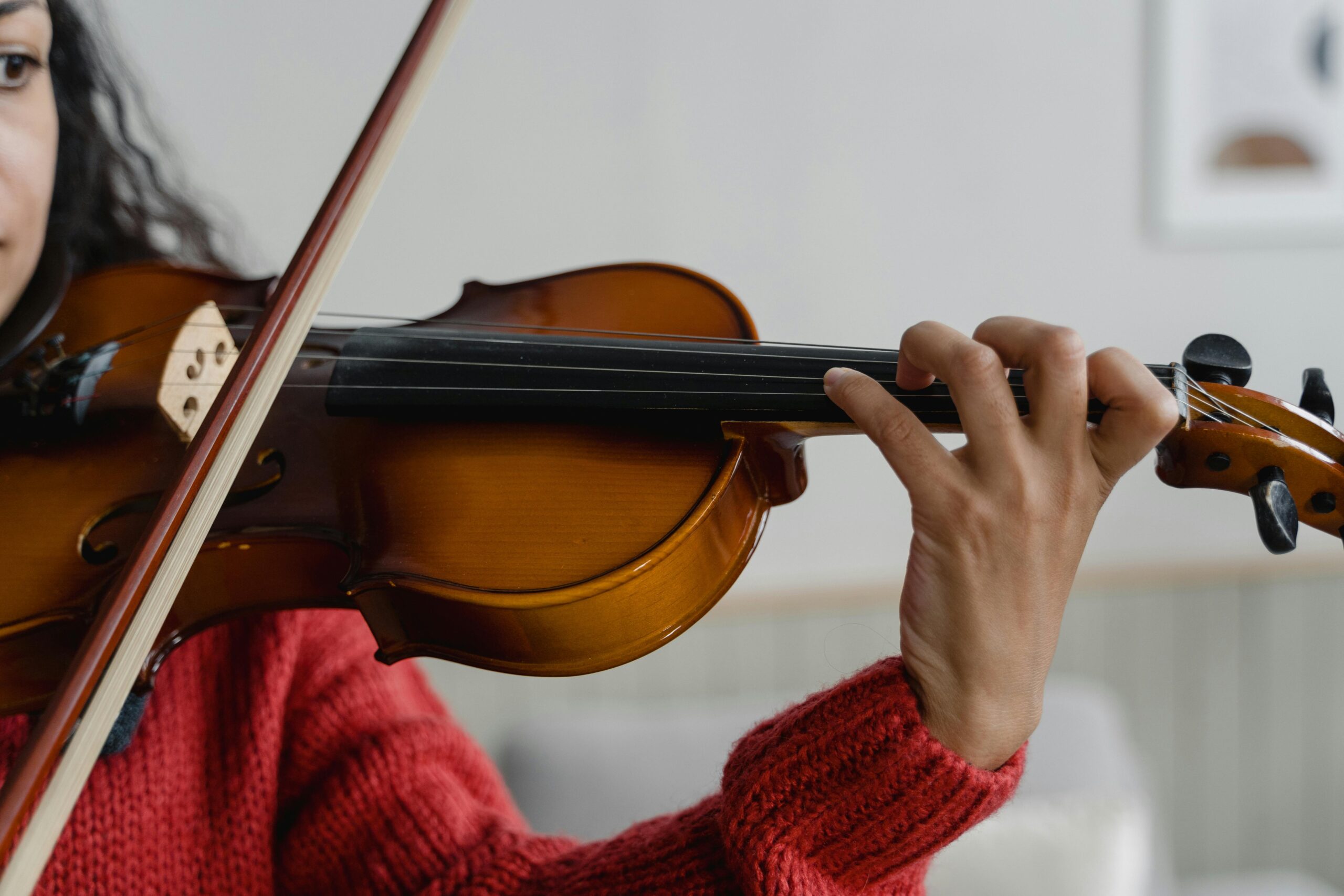
For violinists, violists, cellists, and bassists, tone control drills should emphasize bow speed, pressure, and contact point. Practice single notes with different bow divisions: whole bow, half bow, quarter bow, at various dynamic levels.
Guitarists benefit from micro-drills focusing on pick angle, finger pressure, and vibrato consistency. Practice two-note patterns repeatedly, ensuring each note rings with identical volume and tonal character. Pay special attention to transition noises between notes.
Wind Instruments: Breath Support and Embouchure Stability
Wind players should design micro-drills around long tones with crescendos and diminuendos, monitoring pitch stability throughout. Practice interval slurs slowly enough to feel exactly how your embouchure adjusts between pitches.
Articulation patterns—single tongue, double tongue, flutter tongue—benefit enormously from slow practice. At reduced tempos, you can ensure each articulated note begins with clarity and maintains consistent tone quality.
Piano and Keyboard: Finger Independence and Voicing
Pianists should practice chord progressions and polyphonic passages with exaggerated attention to voicing. Play each chord slowly, ensuring the melody note sounds slightly louder than supporting harmonies. This control becomes automatic only through deliberate slow practice.
Technical patterns like scales, arpeggios, and octaves should be practiced with varied articulations and dynamics. Don’t just play notes correctly—play them beautifully, with intention behind every keystroke.
Overcoming the Psychological Challenge of Slow Practice
Most musicians resist slow practice because it feels boring and doesn’t provide the immediate gratification of playing through complete pieces. Your ego wants to demonstrate competence, and stumbling through material at performance tempo creates an illusion of progress.
Reframe your perspective: slow practice is where real improvement happens. The excitement of performance is your reward for disciplined preparation. Champions in every field understand that glamorous results emerge from unglamorous processes.
Set specific, measurable goals for each practice session. Instead of vague intentions like “practice scales,” commit to “perfect three-octave G major scale with flawless tone at 60 BPM.” This specificity maintains motivation and provides clear success markers.
📊 Tracking Progress: Metrics That Matter
Document your micro-drill practice in a dedicated journal or app. Record starting tempo, number of repetitions, and maximum tempo achieved with perfect execution. This data reveals progress that feels invisible during daily practice.
Video and audio recordings provide invaluable feedback. Film yourself performing micro-drills weekly, comparing recordings over time. The improvements become undeniable and highly motivating.
Consider these tracking metrics:
- Starting tempo versus current tempo for specific technical patterns
- Number of consecutive perfect repetitions achieved
- Subjective tone quality rating (1-10 scale)
- Physical tension levels during execution
- Mental focus quality throughout the drill
Integration with Repertoire: Applying Micro-Drills to Real Music
The ultimate purpose of technical exercises is musical application. Once you’ve developed control through micro-drills, extract challenging passages from your repertoire and apply the same methodology.
Identify the 4-8 most difficult measures in a piece you’re learning. Treat each as a separate micro-drill, practicing at 50% tempo with obsessive attention to tone quality. Gradually increase tempo while maintaining the same standards of excellence.
This targeted approach accelerates repertoire learning dramatically. Rather than repeatedly stumbling through problem passages, you systematically eliminate technical obstacles through focused practice.
🎵 Advanced Techniques: Rhythmic Variation and Mental Practice
Once you’ve mastered basic slow practice, add rhythmic variations to micro-drills. Practice scale patterns in dotted rhythms, triplet subdivisions, and with syncopated accents. These variations develop flexibility and ensure you’re not just memorizing one specific movement pattern.
Mental practice—visualizing perfect execution without your instrument—complements physical practice. Neuroscience research confirms that vivid mental rehearsal activates similar brain regions as physical performance, strengthening motor pathways without physical repetition.
Spend 5-10 minutes daily on mental practice of your micro-drills. Visualize not just finger movements, but also the sound quality you’re producing, your physical sensations, and the musical character you’re expressing.
Common Mistakes That Undermine Slow Practice Effectiveness
The most frequent error is practicing without sufficient mental engagement. Mindless repetition, even at slow tempos, reinforces existing patterns rather than creating new ones. Every repetition must include conscious attention to tone quality and technical precision.
Another mistake involves increasing tempo prematurely. Your ego pushes you to play faster before you’ve genuinely mastered the material at slower speeds. Resist this temptation ruthlessly—it sabotages the entire process.
Some musicians practice slowly but with poor tone quality, reasoning they’ll fix it later at performance tempo. This approach programs mediocre standards into your muscle memory. Never accept anything less than beautiful sound, regardless of tempo.
Building a Sustainable Long-Term Practice Routine
Consistency trumps intensity in musical development. Thirty minutes of focused daily practice outperforms occasional three-hour marathons. Establish a non-negotiable practice schedule that fits your lifestyle.
Balance micro-drill work with other essential practice components: sight-reading, repertoire learning, improvisation, and ensemble playing. Allocate 20-25% of practice time to micro-drills, ensuring you’re also developing musical breadth.
Periodically reassess your technical priorities. As you master certain challenges, new ones emerge. Update your micro-drill rotation every 2-3 weeks to address evolving needs.
🏆 From Practice Room to Performance: Maintaining Standards Under Pressure
The ultimate test of your practice methodology is performance quality. Musicians who invest in meticulous slow practice discover they can maintain technical standards even under performance pressure.
Your practice room standards become your performance floor. If you accept mediocre tone quality during preparation, you’ll deliver worse in high-pressure situations. If you demand excellence during every practice repetition, that excellence becomes automatic.
Before performances, return to slow-tempo practice of challenging sections. This reinforces neural pathways and builds confidence. Many professionals warm up for concerts using the same micro-drills they’ve practiced for years.
Transforming Your Musical Identity Through Precision Practice
Committing to tone control micro-drills at slow tempos doesn’t just improve your technique—it transforms your identity as a musician. You shift from someone who hopes to play well to someone who engineers excellence through systematic preparation.
This approach cultivates patience, attention to detail, and standards of excellence that permeate all aspects of musicianship. You develop the discerning ear that distinguishes good from great, and the technical control to manifest your artistic vision.
The journey toward musical mastery is lifelong, but the path is clear: slow down, focus intensely, demand beautiful tone in every note, and trust the process. Your future self—performing with confidence, precision, and expressive freedom—will thank you for the disciplined work you invest today.
Every great musician you admire built their artistry through countless hours of unglamorous, meticulous practice. The stage performances that inspire audiences represent the visible tip of an iceberg, beneath which lie thousands of hours of micro-drills, slow repetitions, and relentless attention to tone quality. By embracing this methodology, you join a lineage of serious musicians who understand that extraordinary results emerge from extraordinary preparation. Start today, start slowly, and watch your musical potential unfold in ways that once seemed impossible.