Mastering coordination between your left and right hands opens up a world of possibilities, from playing musical instruments to excelling in sports and improving everyday tasks. Whether you’re a beginner looking to develop basic skills or an advanced practitioner seeking to refine your technique, understanding how to train both hands independently and together is essential for optimal performance.

The journey to ambidextrous proficiency isn’t just about repetitive practice—it’s about smart, targeted training that challenges your brain and body in new ways. By incorporating specific drills and exercises into your routine, you can dramatically improve your coordination, reaction time, and overall motor skills while having fun in the process.
🧠 Understanding the Science Behind Hand Coordination
Before diving into exercises, it’s crucial to understand what happens in your brain when you work on coordination. Your brain’s hemispheres control opposite sides of your body—the left hemisphere controls the right side, and vice versa. When you perform coordinated movements, you’re actually strengthening the corpus callosum, the bridge between both brain hemispheres.
This neural connection becomes more robust through consistent practice, allowing signals to travel faster and more efficiently between hemispheres. The result? Smoother, more precise movements and improved cognitive function that extends beyond just physical coordination.
Research has shown that bilateral coordination training can enhance neuroplasticity, essentially rewiring your brain to become more adaptable and efficient. This doesn’t just benefit your hands—it can improve overall cognitive performance, memory, and problem-solving abilities.
Essential Warm-Up Exercises to Prepare Your Hands
Never jump straight into complex coordination drills without properly warming up. Your hands contain numerous small muscles, tendons, and ligaments that need preparation to perform optimally and avoid injury.
Finger Independence Stretches
Start by gently stretching each finger individually, pulling it back toward your wrist and holding for 5-10 seconds. This increases flexibility and blood flow to the digits. Follow this by making tight fists and then spreading your fingers as wide as possible, repeating 10 times for each hand.
Wrist Rotations and Circles
Perform slow, controlled rotations of both wrists simultaneously—first clockwise, then counterclockwise. Do 10 rotations in each direction. This exercise loosens the wrist joints and prepares them for more dynamic movements.
Piano Playing Motion
Even if you don’t play piano, mimicking the finger motion on a flat surface activates all your finger muscles. Place both hands flat on a table and “play” imaginary scales, lifting each finger independently while keeping others down. This simple exercise awakens the neural pathways you’ll need for coordination drills.
Beginner-Friendly Coordination Drills That Work 🎯
If you’re new to coordination training, start with these foundational exercises that build the necessary neural pathways without overwhelming you.
The Pat and Rub Technique
This classic drill involves patting your head with one hand while rubbing your stomach in circular motions with the other. It sounds simple but challenges your brain to send different signals to each hand simultaneously. Practice for 30 seconds, then switch hands. As you improve, try changing the speed or direction of the circular motion.
Mirror and Opposite Movements
Sit at a table with both hands in front of you. Start by making identical mirror movements—both hands moving inward or outward simultaneously in circles. Once comfortable, attempt opposite movements where one hand circles clockwise while the other goes counterclockwise. This exercise significantly challenges interhemispheric communication.
Finger Number Sequences
Assign numbers to your fingers (thumb=1, index=2, etc.). Tap sequences with one hand while tapping a different sequence with the other. For example, tap 1-2-3-4-5 with your right hand while tapping 5-4-3-2-1 with your left. Start slowly and gradually increase speed as the movement becomes automatic.
Intermediate Drills for Progressive Skill Development
Once you’ve mastered the basics, these intermediate exercises will take your coordination to the next level by introducing more complex patterns and rhythms.
Polyrhythmic Tapping
This musical technique involves tapping different rhythms with each hand. Start with a 2:3 ratio—your left hand taps twice while your right taps three times in the same time span. Use a metronome or rhythmic backing track to maintain timing. Progress to more complex ratios like 3:4 or 3:5 as you improve.
Ball Bouncing Variations
Use two different sized balls, bouncing them alternately with each hand. The challenge comes from adjusting to different bounce heights and timing. Advance this by bouncing one ball while catching and throwing another, or incorporating figure-eight patterns around your body.
Drawing Different Shapes Simultaneously
Hold a pen or pencil in each hand. Attempt to draw different shapes at the same time—a circle with your left hand and a square with your right, for instance. This exercise deeply challenges your brain’s ability to coordinate independent movements and spatial awareness.
Advanced Techniques for Coordination Masters 🏆
For those who have built a strong foundation, these advanced drills will push your abilities to new heights and refine your coordination to professional levels.
Complex Musical Instrument Patterns
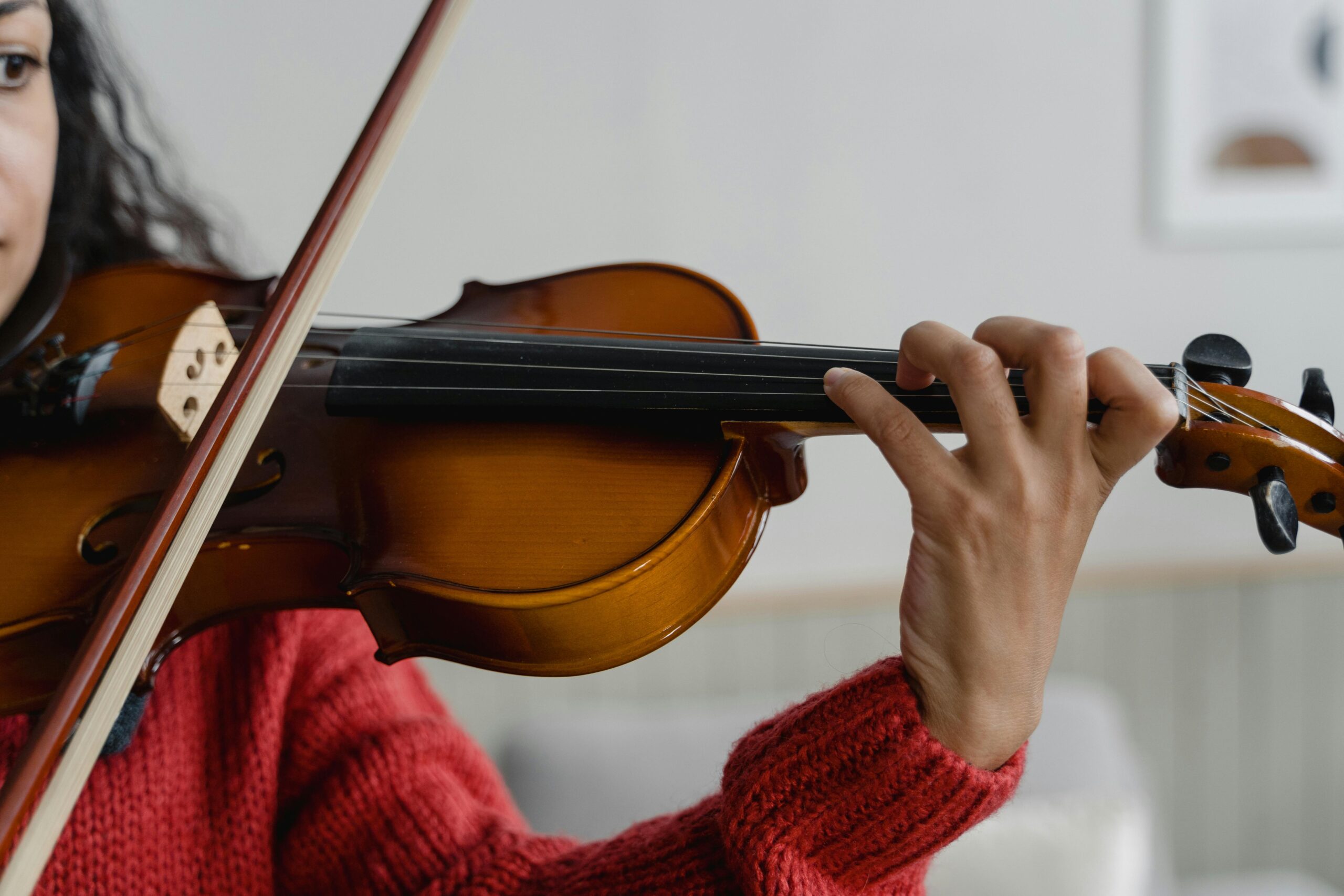
If you have access to a keyboard, drums, or guitar, practice patterns where each hand performs completely independent melodies or rhythms. Drummers can work on paradiddles and flam patterns, while keyboard players can tackle Bach inventions designed specifically for hand independence.
Juggling Progression
Juggling is perhaps the ultimate coordination challenge. Start with two balls in one hand, mastering the throw height and catch timing. Progress to three balls, focusing on smooth, consistent throws. Advanced jugglers can attempt different patterns like the cascade, shower, or columns, each requiring precise bilateral coordination.
Speed Stacking Cups
Sport stacking involves arranging specially designed cups in specific sequences as quickly as possible. This activity demands lightning-fast hand coordination, bilateral proficiency, and exceptional hand-eye coordination. Many schools have adopted it as an educational tool due to its proven benefits for coordination and cognitive development.
Digital Tools and Apps to Enhance Your Training 📱
Technology offers innovative ways to practice and track your coordination progress. Several applications provide structured training programs with measurable results.
Brain training apps often include hand coordination games that adapt to your skill level. These typically feature exercises where you must tap, swipe, or trace patterns with precision timing, providing instant feedback on your performance.
Rhythm-based games and applications can significantly improve timing and bilateral coordination. These programs challenge you to tap or press buttons in sync with musical beats, progressively increasing in complexity as you demonstrate proficiency.
Creating Your Personal Training Schedule
Consistency trumps intensity when developing coordination skills. Rather than marathon training sessions, shorter daily practice yields better results due to how motor learning consolidates during rest periods.
The Optimal Practice Structure
Aim for 15-30 minute sessions, five to six days per week. Structure each session with a warm-up phase (5 minutes), focused drill work (15-20 minutes), and cool-down stretches (5 minutes). This approach prevents mental fatigue while allowing adequate recovery time.
Progressive Overload Principles
Apply the same progressive overload concept used in physical fitness training. Each week, slightly increase the difficulty—whether that’s speed, complexity, duration, or introducing new variations. Document your progress to maintain motivation and identify areas needing additional focus.
Sample Weekly Training Program
Monday and Thursday: Focus on rhythm-based exercises and polyrhythmic tapping. Tuesday and Friday: Work on spatial coordination with drawing exercises and ball drills. Wednesday and Saturday: Integrate practical applications like musical instrument practice or sport-specific skills. Sunday: Active recovery with gentle stretches and light coordination games.
Common Mistakes to Avoid During Training ⚠️
Even well-intentioned practitioners can develop bad habits that hinder progress or lead to injury. Awareness of these pitfalls helps you maintain effective training practices.
Rushing Through Progressions
The most common error is advancing to complex drills before mastering fundamentals. Your brain needs time to build neural pathways—forcing progression too quickly results in sloppy technique and plateaued improvement. Master each level completely before moving forward.
Neglecting the Non-Dominant Hand
Many people focus predominantly on coordination between hands while neglecting individual development of the non-dominant hand. Dedicate specific practice time to strengthening and training your weaker hand independently before attempting bilateral coordination.
Training Through Pain
Distinguish between the discomfort of challenging work and actual pain. Sharp pain, tingling, or numbness indicates potential injury—stop immediately and rest. Overuse injuries like tendonitis can sideline your training for weeks or months if ignored.
Measuring Progress and Setting Achievable Goals 📊
Tracking improvement maintains motivation and provides objective data about your coordination development. Establish clear, measurable goals that evolve as you progress.
Create baseline measurements before starting your training program. Time how long you can maintain certain exercises, count consecutive successful repetitions, or video record your technique for comparison. Reassess these metrics monthly to document improvement.
Set both short-term and long-term goals. Short-term goals might include performing a specific drill for 60 seconds without errors, while long-term goals could involve learning a complex musical piece or mastering a juggling pattern. Celebrate achievements at every level—progress deserves recognition.
Real-World Applications of Enhanced Coordination
The benefits of improved left-right hand coordination extend far beyond the drills themselves, enriching numerous aspects of daily life and professional pursuits.
Musical Performance Enhancement
Musicians experience the most direct benefits. Pianists, drummers, guitarists, and players of virtually any instrument rely heavily on bilateral coordination. Enhanced coordination translates to cleaner execution, the ability to tackle more complex pieces, and improved improvisational skills.
Athletic Performance Improvements
Athletes in sports requiring bilateral coordination—basketball, tennis, boxing, swimming—gain competitive advantages. Better coordination means more precise movements, faster reactions, and improved overall athleticism that can make the difference between good and exceptional performance.
Professional and Daily Life Benefits
Beyond specialized activities, improved coordination enhances everyday tasks. Typing becomes faster and more accurate, multitasking feels more natural, and activities requiring fine motor control—from cooking to crafts—become easier and more enjoyable. Many professionals, from surgeons to mechanics, directly benefit from superior hand coordination.
Maintaining Motivation Throughout Your Journey 💪
Skill development requires sustained effort over months and years. Maintaining enthusiasm throughout this journey determines whether you’ll achieve your coordination goals or abandon them halfway.
Variety prevents boredom and mental fatigue. Rotate through different drills, incorporate new exercises regularly, and find creative variations of familiar activities. Join communities of others working on similar skills—whether online forums, local music groups, or sports teams—to share progress and learn new techniques.
Acknowledge that progress isn’t always linear. Plateaus are normal and often precede significant breakthroughs. During these periods, focus on perfecting technique rather than increasing difficulty. Sometimes stepping back to reinforce fundamentals yields the breakthrough you need.
Taking Your Coordination Skills to Expert Level
Mastering left-right hand coordination is a lifelong journey rather than a destination. As you develop proficiency, you’ll discover increasingly subtle refinements that distinguish good coordination from exceptional mastery.
Consider seeking instruction from experts in your areas of interest. Music teachers, athletic coaches, or specialized coordination trainers provide personalized feedback that accelerates improvement beyond what self-directed practice alone can achieve. They identify subtle inefficiencies you might miss and offer targeted corrections.
Challenge yourself with public performance or competitive opportunities when appropriate. The pressure of performing coordinated tasks under observation activates different neural patterns and solidifies skills in ways private practice cannot replicate. Whether it’s a recital, competition, or simply demonstrating a skill for friends, these experiences forge robust coordination abilities.
The path to coordination mastery demands patience, consistency, and intelligent practice. By incorporating these drills into your regular routine, setting realistic goals, and celebrating progress along the way, you’ll develop bilateral coordination skills that enhance every aspect of your life. Start with the fundamentals, progress systematically, and remember that every expert was once a beginner who refused to quit. Your hands possess incredible potential—unlock it through dedicated, thoughtful training, and enjoy the remarkable capabilities you’ll develop.