Have you ever watched a virtuoso pianist’s fingers dance across the keys with seemingly impossible independence? That level of finger control isn’t reserved for the naturally gifted—it’s a skill anyone can develop with the right approach and consistent practice.

The secret to mastering finger independence doesn’t require hours of tedious exercises or expensive lessons. With just sixty seconds of focused daily practice using targeted drills, you can unlock remarkable improvements in your finger coordination, dexterity, and musical expression. Whether you’re a beginner picking up your first instrument or an experienced player looking to refine your technique, these quick exercises will transform your playing abilities.
🎹 Understanding Finger Independence: The Foundation of Musical Mastery
Finger independence refers to the ability to move each finger separately and deliberately without unwanted movement from neighboring digits. This fundamental skill separates amateur musicians from advanced players, enabling complex passages, intricate rhythms, and expressive dynamics that would otherwise be impossible to execute cleanly.
Most people naturally have stronger ring and pinky finger connections due to shared tendons and neurological pathways. The ring finger, in particular, tends to move sympathetically with adjacent fingers because it shares the extensor digitorum muscle with the pinky and middle finger. Overcoming these anatomical limitations requires targeted neural training that rewires how your brain communicates with individual digits.
Why Traditional Practice Methods Fall Short
Many musicians spend countless hours practicing scales and repertoire, assuming finger independence will naturally develop over time. While repetition does help, unfocused practice often reinforces existing movement patterns rather than building new neural pathways. Without deliberate isolation exercises, your weakest fingers remain weak, creating technical bottlenecks that limit your musical potential.
The solution lies in micro-practice sessions—short, intensely focused drills that target specific weakness patterns. Research in motor learning demonstrates that brief, concentrated practice sessions can be more effective than lengthy unfocused sessions, especially when building fundamental coordination skills.
⏱️ The One-Minute Revolution: Why Less is Actually More
The concept of practicing for just one minute daily might seem counterintuitive, but it’s grounded in neuroscience and behavioral psychology. Brief practice sessions offer several critical advantages over marathon training sessions that make them surprisingly effective for skill acquisition.
First, one-minute sessions are sustainable. The commitment is so minimal that you’ll never skip a day due to lack of time or motivation. This consistency compounds over weeks and months, creating steady progress that exceeds sporadic longer sessions. Second, short drills maintain intense focus throughout the entire session—there’s no time for your mind to wander or your technique to deteriorate from fatigue.
The Neuroscience Behind Micro-Practice
When you practice finger independence exercises, you’re not just training muscles—you’re rewiring neural connections in your motor cortex. Each focused repetition strengthens the synaptic pathways between your brain and individual fingers. These neuroplastic changes occur most efficiently during periods of intense, undivided attention.
Brief practice sessions also leverage the spacing effect, a well-documented phenomenon where distributed learning produces better retention than massed practice. By practicing daily rather than weekly, you give your brain multiple opportunities to consolidate new motor patterns during sleep and rest periods between sessions.
🎯 The Essential One-Minute Drills: Your Daily Routine
These four foundational exercises target the most common independence challenges musicians face. Rotate through them throughout the week, or choose the drill that addresses your specific weakness. Each can be completed on a table, your leg, or your instrument—no special equipment required.
Drill #1: The Finger Lift Sequence
Place your hand flat on a surface with all five fingers extended and touching down. Lift each finger individually while keeping all other fingers firmly planted. Start with your index finger, then middle, ring, and pinky. Reverse the sequence. The challenge intensifies when you reach the ring finger, which naturally wants to move with the pinky.
For maximum effectiveness, lift each finger as high as possible without allowing neighboring fingers to rise even slightly. Move slowly and deliberately—speed is irrelevant during these drills. Focus entirely on the cleanness of movement and the sensation of isolating individual digits. Perform this sequence for thirty seconds per hand.
Drill #2: The 3-4 Finger Hold
This drill specifically targets the notorious ring-pinky connection that plagues most musicians. Place all fingers down on a surface. Lift your pinky finger while actively pressing down with your ring finger. Hold for three seconds. Then reverse: lift the ring finger while pressing down firmly with the pinky.
This exercise feels awkward initially—that’s exactly the point. You’re forcing your brain to send independent signals to fingers that typically move together. Repeat this alternating pattern for the full minute, dividing time equally between both hands. You may experience slight cramping, which indicates you’re recruiting muscles that rarely work independently.
Drill #3: The Finger Tap Patterns
With your hand resting on a surface, tap your fingers in specific patterns that disrupt habitual movement sequences. Try tapping 1-4-2-5-3 (thumb-ring-index-pinky-middle), then reverse the pattern. The cognitive challenge of remembering the sequence while executing independent movements simultaneously trains mental and physical coordination.
Start slowly enough that you can execute each tap cleanly without any extraneous finger movement. As the pattern becomes familiar, gradually increase speed, but never at the expense of precision. Create your own patterns to keep the exercise mentally engaging and to target different independence challenges.
Drill #4: The Sustained Hold Challenge
Press down three fingers while lifting the remaining two (excluding the thumb). Hold this position for ten seconds while keeping the raised fingers completely relaxed and the pressed fingers firmly engaged. Systematically work through different combinations: hold 1-2-3 while lifting 4-5, then hold 1-2-4 while lifting 3-5, and so forth.
This static exercise builds the stabilizing strength required for finger independence during actual playing. Many musicians can move fingers independently but struggle to keep unused fingers relaxed while others are active. This drill addresses that specific weakness.
📊 Tracking Progress: Measuring Your Independence Development
Quantifying improvements in finger independence helps maintain motivation and identifies specific areas requiring additional focus. These simple assessment methods require no special equipment and take just minutes to complete weekly.
| Assessment Method | What It Measures | Testing Frequency |
|---|---|---|
| Finger Lift Height | Individual finger strength and range | Weekly |
| Sympathetic Movement | Unwanted neighboring finger motion | Weekly |
| Tap Speed Accuracy | Coordination at increasing tempos | Bi-weekly |
| Sustained Hold Duration | Stabilization strength and endurance | Bi-weekly |
Record your baseline performance on each assessment, then retest periodically. Most practitioners notice measurable improvements within two to three weeks of consistent daily practice. Document your progress in a practice journal or smartphone app to visualize your development over time.
🎼 Applying Independence to Musical Performance
Developing finger independence through isolated drills is just the first step—the real payoff comes when you transfer these abilities to actual musical performance. The connection between table exercises and instrument playing isn’t always automatic, so deliberate integration is essential.
Piano-Specific Applications
For pianists, improved finger independence immediately enhances trills, ornaments, and polyphonic passages where different voices require independent dynamic control. Practice scales with accent patterns that highlight weak fingers: play C major scale with accents only on notes played by the ring finger, for example. This bridges the gap between pure independence training and musical application.
When learning new pieces, identify passages that challenge your finger independence and extract them for focused drill work. Slow these sections down to half tempo and execute them with exaggerated finger movements, ensuring each digit moves with complete independence before gradually returning to performance tempo.
Guitar and String Instrument Integration
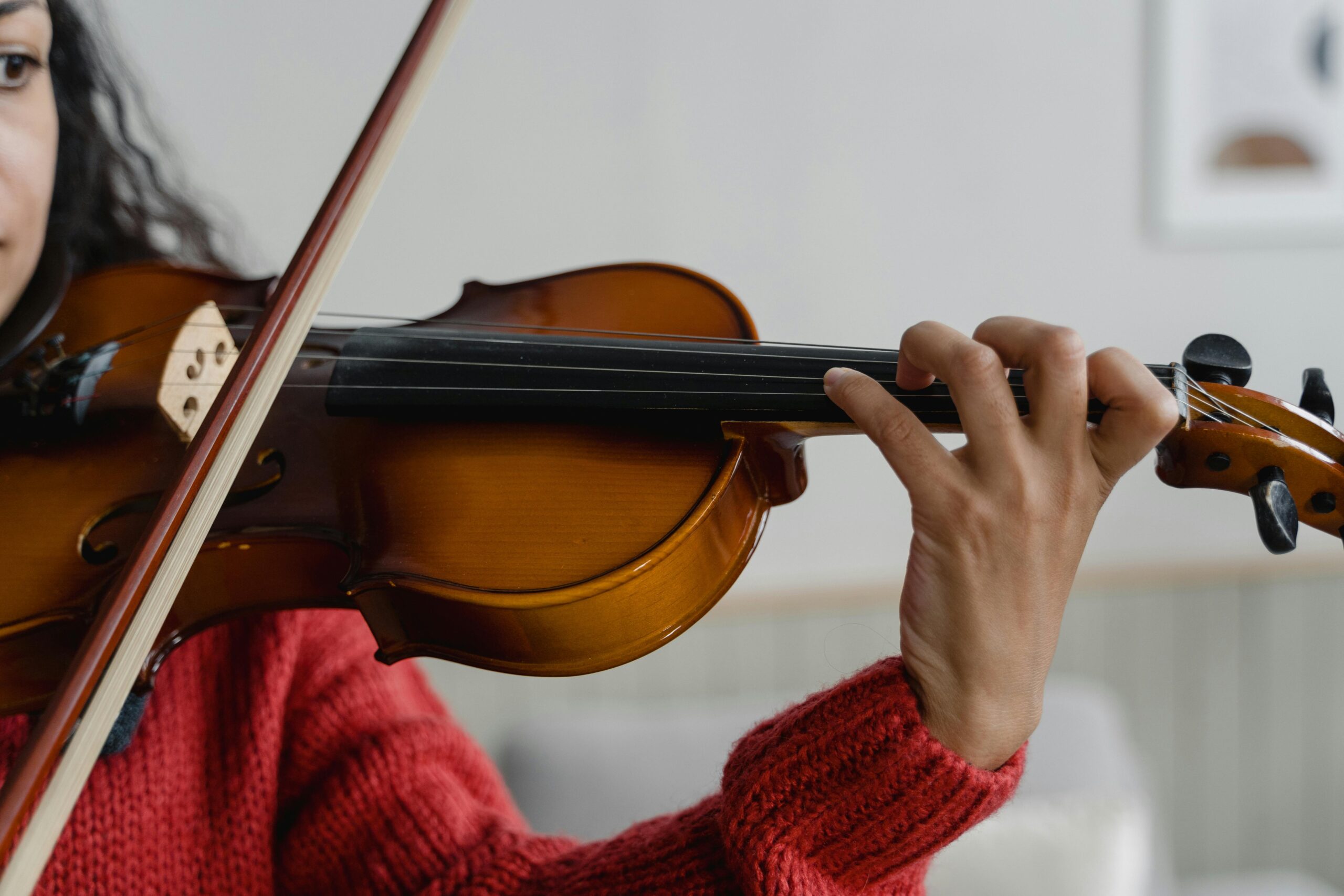
Guitarists benefit from finger independence primarily in fretting hand technique, where complex chord voicings and fingerstyle patterns demand precise individual finger control. Apply your independence training by practicing chord transitions in ultra-slow motion, observing each finger’s path and ensuring no unnecessary movements or tension.
For fingerstyle players, independence drills directly translate to right-hand technique. Practice Travis picking patterns or classical arpeggios with exaggerated finger lifts initially, gradually reducing the movement size while maintaining complete independence. This produces cleaner note separation and better dynamic control.
Wind Instruments and Alternative Applications
While wind instrumentalists might initially think finger independence is less relevant to their playing, precise finger coordination significantly impacts technical passages, especially in fast articulated runs. Saxophone, clarinet, and flute players executing rapid chromatic passages or complex key combinations benefit immensely from improved finger independence.
Additionally, these drills benefit non-musicians seeking improved typing speed, gaming performance, or rehabilitation after hand injuries. The neurological principles remain identical regardless of the final application—you’re training individualized motor control that transfers broadly across finger-dependent activities.
💪 Overcoming Common Challenges and Plateaus
Every practitioner encounters obstacles when developing finger independence. Understanding common challenges and their solutions prevents frustration and keeps progress moving forward consistently.
The Impatience Trap
Many musicians abandon independence training after a week or two when dramatic changes don’t immediately appear. Remember that you’re rewiring neurological pathways established over your entire lifetime—this requires patience and consistent repetition. Small improvements compound exponentially over months, so trust the process even when daily progress seems imperceptible.
If motivation wanes, focus on the process rather than outcomes. Find satisfaction in completing your one-minute daily commitment rather than fixating on whether your ring finger has magically gained independence overnight. Celebrate consistency itself as the primary achievement.
Physical Discomfort and Injury Prevention
Some mild fatigue or unfamiliar sensations are normal when training previously underutilized muscles and movement patterns. However, sharp pain, persistent soreness, or numbness indicate you’re pushing too aggressively. These exercises should never be forced or painful.
If you experience discomfort, reduce intensity rather than quitting entirely. Perform exercises with less range of motion, shorter hold times, or fewer repetitions. Ensure your wrist remains neutral rather than bent, and keep your hand relaxed between repetitions. Consider consulting a hand therapist if problems persist, as they can identify potential technique issues or underlying conditions requiring attention.
Breaking Through Plateaus
After initial rapid progress, you’ll likely experience periods where improvement seems to stall. This is normal and indicates you’ve reached a temporary ceiling in your current neurological capacity. Several strategies can help push through these plateaus:
- Increase cognitive difficulty by adding mental math or reciting poetry while performing drills
- Change your practice environment or time of day to create novelty
- Video record your exercises to objectively assess whether sympathetic movements have truly been eliminated
- Temporarily increase practice duration to 90 seconds or two minutes daily
- Take a complete rest week to allow neural consolidation before resuming
🚀 Advanced Variations for Continued Development
Once the foundational drills become comfortable, these advanced variations provide continued challenge and prevent your practice from becoming stale or ineffective.
Weighted Finger Lifts
Place a lightweight object (coin, guitar pick, or small eraser) on each finger except the one you’re lifting. This increases proprioceptive feedback and strengthens the stabilizing muscles that keep inactive fingers down. Start with minimal weight and progress gradually—even a few grams creates significant additional challenge.
Multi-Finger Patterns
Instead of working with single finger isolations, create patterns involving multiple simultaneous movements: lift fingers 2 and 4 while holding down 1, 3, and 5. Systematically work through all possible combination patterns. This develops coordination between independent movements rather than just isolation capacity.
Speed Bursts
After establishing clean slow execution, incorporate brief speed bursts where you execute patterns as rapidly as possible for five seconds, then return to controlled tempo. This challenges your nervous system to maintain independence even when movement speed increases dramatically, directly simulating the demands of fast musical passages.
🌟 Beyond the Fingers: The Holistic Approach to Technical Mastery
While finger independence is crucial, it exists within a larger technical ecosystem that includes posture, tension management, mental focus, and overall physical wellness. The most effective practitioners integrate independence training into a comprehensive approach to musical development.
Pay attention to your entire arm chain during exercises—tension in your forearm, elbow, or shoulder will limit finger independence regardless of how much you practice. Maintain relaxed, natural posture with open joints and neutral wrist alignment. Periodically scan your body for unnecessary tension and consciously release it.
Mental state significantly impacts motor learning effectiveness. Practice your one-minute drills when you’re alert and focused rather than exhausted or distracted. The quality of attention you bring to these sixty seconds matters more than the clock time itself. Even thirty seconds of completely focused practice exceeds five minutes of distracted, mechanical repetition.
🎓 Your First Week: A Practical Implementation Guide
To help you begin immediately, here’s a structured plan for your first week of finger independence training. This eliminates decision fatigue and ensures you’re targeting all essential aspects of independence development systematically.
Monday: Finger Lift Sequence (30 seconds each hand)
Tuesday: 3-4 Finger Hold drill (full minute, alternating hands)
Wednesday: Finger Tap Patterns (30 seconds each hand)
Thursday: 3-4 Finger Hold drill (repeat for reinforcement)
Friday: Sustained Hold Challenge (various combinations)
Saturday: Your choice—repeat the drill that felt most challenging
Sunday: Finger Lift Sequence with conscious attention to sympathetic movement
After completing this initial week, you’ll have experienced all foundational drills and can identify which exercises address your specific weaknesses most effectively. Continue rotating through exercises or focus extended periods on your identified weakness areas.

🏆 Unlocking Your Full Potential Through Consistent Micro-Practice
The transformation available through just one minute of daily focused practice extends far beyond simple finger coordination. You’re developing discipline, building confidence through measurable progress, and establishing a practice methodology that applies to any skill you wish to develop. The musician who can commit to sixty seconds daily possesses the mindset required for long-term excellence.
Remember that every virtuoso you admire developed their abilities through exactly this kind of focused, consistent practice. The difference between them and aspiring musicians isn’t genetic gifts or magical talent—it’s showing up daily to do the unsexy foundational work that builds extraordinary ability over time. Your one-minute commitment is the seed from which virtuosity grows.
Start today. Set a phone reminder, choose your first drill, and spend sixty focused seconds rewiring your neural pathways for independent finger control. Tomorrow, do it again. In one month, you’ll notice changes. In three months, the improvements will be undeniable. In one year, you’ll barely recognize your former technical limitations. The journey to mastering finger independence begins with a single minute—your next one. 🎵