Every musician knows the frustration: your song sounds flawless in the practice room, but something changes when you step on stage. The magic seems to evaporate under the spotlight.

The gap between practice perfection and performance brilliance isn’t about talent—it’s about preparation strategy. Understanding how to bridge this divide separates memorable performances from forgettable ones, transforming nervous energy into captivating stage presence that connects with every audience member.
🎵 Why Practice Room Success Doesn’t Guarantee Stage Excellence
The practice room offers a controlled environment where variables remain constant. You know the acoustics, the temperature feels comfortable, and no eyes watch your every move. This comfort zone, while essential for skill development, creates a false sense of performance readiness that many musicians mistake for true preparedness.
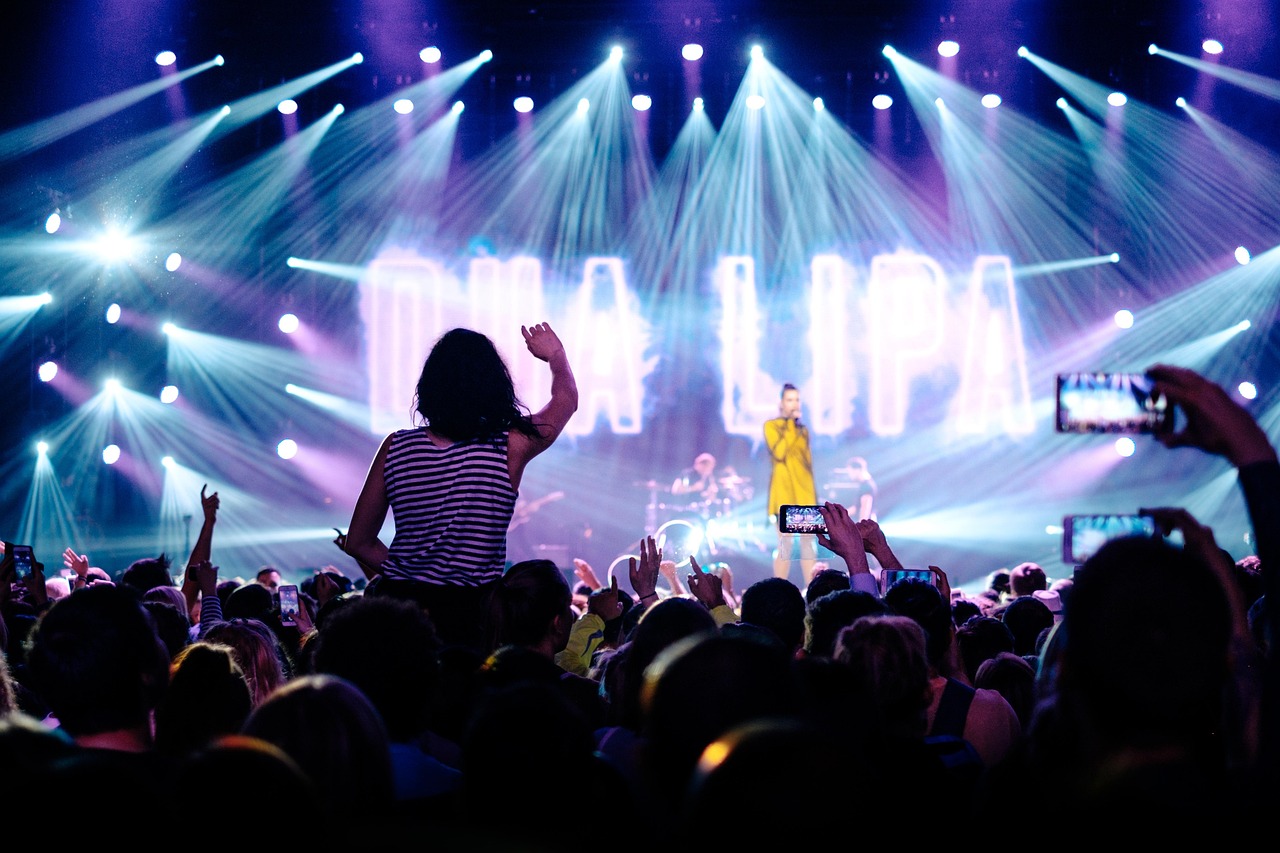
Stage environments introduce countless unpredictable elements: unfamiliar acoustics that swallow certain frequencies, lighting that obscures your instrument, audience energy that either energizes or intimidates, and technical equipment that behaves differently than your home setup. Your muscle memory might be perfect, but performance requires psychological resilience that practice alone cannot build.
The pressure of live performance also triggers physiological responses—increased heart rate, sweaty palms, shallow breathing—that directly impact your technical execution. These physical manifestations of performance anxiety can sabotage even the most meticulously rehearsed material, creating a disconnect between what you know you can do and what actually happens on stage.
Building Mental Fortitude for Performance Situations
Mental preparation separates competent musicians from captivating performers. Visualization techniques used by professional athletes apply equally to stage performance. Spend time mentally rehearsing your entire set, including walking on stage, adjusting your microphone, and feeling the audience’s presence. This mental rehearsal creates neural pathways that your brain recognizes during actual performance.
Develop pre-performance rituals that ground you in the present moment. These might include specific breathing exercises, physical warm-ups, or even a particular playlist you listen to before taking the stage. Consistency in these rituals signals your brain that it’s time to shift into performance mode, creating a psychological bridge between practice and presentation.
Meditation and mindfulness practices train your attention to remain focused despite distractions. Even five minutes daily of focused breathing exercises strengthens your ability to maintain concentration when unexpected situations arise on stage. This mental discipline allows you to stay present with your music rather than spiraling into anxious thoughts about mistakes.
🎤 Simulating Performance Pressure During Practice
Transform ordinary practice sessions into performance simulations by introducing pressure elements. Record yourself with video, not just audio—watching yourself perform reveals unconscious habits and stage presence issues that audio alone misses. The camera’s presence creates a mild performance pressure that trains your nervous system for actual shows.
Invite friends, family, or fellow musicians to private performances in your practice space. These informal concerts provide low-stakes opportunities to experience performing for others while remaining in a familiar environment. Gradually increase your audience size as your comfort grows, building confidence incrementally rather than facing a large crowd unprepared.
Practice performing your entire set without stopping, regardless of mistakes. Many musicians halt when errors occur during practice, but stage performance demands continuation. Training yourself to recover gracefully from mistakes and maintain momentum creates the resilience needed for live situations where perfection isn’t realistic or expected.
Creating Realistic Performance Scenarios
Alter your practice environment to simulate stage conditions. Practice standing if you’ll perform standing, use stage lighting if possible, and rehearse with the same equipment configuration you’ll use live. These environmental adjustments reduce the novelty factor during actual performance, making the stage feel more familiar.
Introduce controlled distractions during practice sessions. Play background noise, have someone move around your peripheral vision, or practice with imperfect room temperature. These seemingly minor irritations train your focus to remain locked on your performance despite environmental imperfections that inevitably arise during live shows.
Technical Preparation That Translates to Stage Success
Mastering your material goes beyond playing notes correctly. Develop multiple performance versions of your songs—a standard arrangement, a stripped-down version if technical issues arise, and perhaps an extended jam version if the audience energy warrants it. This flexibility allows you to adapt to unexpected circumstances without losing confidence.
Over-prepare your transitions between songs. These moments often reveal nervousness more than the songs themselves. Know exactly what you’ll say, how you’ll tune or adjust equipment, and plan engaging stage banter that feels natural. Smooth transitions maintain energy flow and demonstrate professional polish.
Create detailed stage plots and equipment lists for every performance. Knowing exactly where everything should be positioned eliminates decision-making during setup, reducing pre-show stress. This technical organization frees mental energy for artistic concerns rather than logistical scrambling.
⚡ Developing Stage Presence Beyond Musical Technique
Stage presence encompasses how you occupy space, connect with audiences, and project confidence. Study performers you admire, noting their body language, how they engage between songs, and their energy management throughout a set. Incorporate elements that align with your authentic personality rather than copying someone else’s style.
Practice moving intentionally on stage. Many musicians freeze in one spot, creating static visual presentations. Experiment with purposeful movement that enhances your musical expression—stepping toward the audience during intense moments or creating space during quieter passages adds visual interest that complements your sound.
Eye contact establishes human connection that transforms performances from musical recitals into shared experiences. Practice looking at specific spots in empty rooms, simulating audience connection. During actual shows, find friendly faces and return to them periodically, creating multiple connection points throughout the venue.
Managing Energy Throughout Your Performance
Strategic setlist sequencing maximizes impact while managing your physical and emotional energy. Front-load engaging songs that capture attention immediately, place your most demanding material when you’re warmed up but not exhausted, and save an energetic closer that leaves lasting impressions. This arc keeps audiences engaged while preventing performer burnout.
Build moments of dynamic contrast into your set. Constant intensity exhausts both performer and audience, while too much restraint fails to create memorable moments. Alternate between high-energy peaks and intimate valleys, giving everyone space to breathe while maintaining overall momentum.
📱 Technology Tools for Performance Preparation
Modern technology offers powerful resources for bridging the practice-to-performance gap. Recording and playback apps allow detailed analysis of your performances, revealing subtle issues that escape notice during playing. Regular documentation tracks your progress and identifies patterns in mistakes or weak sections requiring additional attention.
Metronome and backing track applications help develop rock-solid timing that remains steady under pressure. Practice with these tools intermittently rather than constantly—you need both the discipline of precise timing and the flexibility of human feel that makes performances engaging rather than mechanical.
Virtual reality performance simulators now exist that place you in realistic stage environments, complete with crowds and venue acoustics. While not universally accessible, these technologies provide remarkably effective exposure therapy for performance anxiety, allowing repeated practice in simulated high-pressure situations.
Learning From Every Performance Experience
Post-performance analysis accelerates improvement more than additional practice hours. Record your shows when possible, then review them objectively after emotions settle. Note not just mistakes but also unexpected successes—moments when you connected powerfully or recovered gracefully from problems.
Create performance journals documenting what worked, what didn’t, and environmental factors that influenced your show. Patterns emerge over multiple entries, revealing personal triggers for anxiety, optimal pre-show routines, and material that consistently resonates with audiences versus songs that fall flat despite sounding great in practice.
Seek constructive feedback from trusted sources who understand performance dynamics. Fellow musicians often notice technical details while non-musician friends provide valuable audience perspective. Balance this external input with your own assessment, developing discernment about which feedback serves your artistic growth.
🎸 Physical Conditioning for Performance Endurance
Physical stamina directly impacts performance quality, especially during longer sets. Regular cardiovascular exercise improves breath control for vocalists and overall endurance for all musicians. Even modest fitness improvements translate to steadier performances with less fatigue-induced mistakes toward set endings.
Instrument-specific stretching and strengthening exercises prevent injury and maintain technical precision under performance stress. Guitarists benefit from finger and wrist flexibility work, drummers need core strength and limb independence exercises, and vocalists require proper posture and breathing technique maintenance.
Adequate rest before performances isn’t optional—it’s essential. Sleep deprivation impairs cognitive function, slows reaction time, and diminishes emotional regulation, all critical for performance success. Prioritize quality sleep in the days leading to important shows, treating it as seriously as your musical preparation.
Handling Technical Difficulties With Professional Grace
Equipment failures happen to every performer eventually. Preparation means carrying backup cables, strings, picks, and any critical equipment components. More importantly, mental preparation means accepting technical problems as inevitable rather than catastrophic, maintaining composure that audiences respect and remember.
Develop entertaining ways to fill time during technical issues. Have an acoustic song ready if electric equipment fails, practice engaging stage banter that acknowledges problems with humor, or interact directly with audiences through Q&A moments. These contingency plans transform potential disasters into memorable human moments.
Work closely with sound engineers rather than viewing them as adversaries. Clear communication about your sonic needs, arriving early for thorough soundcheck, and remaining flexible about adjustments demonstrates professionalism that results in better overall sound supporting your performance.
🌟 Transforming Nervous Energy Into Performance Fuel
Reframe pre-show nerves as excitement rather than fear—physiologically, the sensations are identical, but your interpretation determines whether they enhance or inhibit performance. Acknowledge nervous feelings without judgment, then consciously redirect that energy toward focused intensity that elevates your stage presence.
Breathing exercises provide immediate physiological regulation of stress responses. Box breathing—inhaling for four counts, holding four counts, exhaling four counts, holding four counts—activates parasympathetic nervous system responses that counteract fight-or-flight reactions, restoring mental clarity and physical control.
Progressive muscle relaxation techniques release physical tension that accumulates before performances. Systematically tensing and releasing muscle groups from feet to face reduces the physical manifestations of anxiety while providing a focusing activity that prevents anxious rumination.
Building Audience Connection Through Authenticity
Audiences forgive technical imperfections but rarely forgive emotional disconnection. Genuine passion for your music communicates more powerfully than flawless execution. Focus on the emotional message you’re conveying rather than obsessing over perfect technique, allowing vulnerability that creates real human connection.
Share brief stories about songs when appropriate, providing context that deepens audience understanding and investment in your material. These narrative moments create intimacy in larger venues and give audiences multiple entry points for connecting with your performance beyond just the music itself.
Remember that audiences want you to succeed—they’ve invested time and often money to experience your performance. This supportive reality contradicts the anxious fantasy of hostile judgment. Viewing audiences as collaborators in a shared experience rather than critics to impress fundamentally shifts performance psychology.
Continuous Growth Through Deliberate Performance Practice
Mastering stage performance is an ongoing journey rather than a destination. Each show provides learning opportunities that practice rooms cannot replicate. Embrace this developmental perspective, viewing early performances as necessary steps toward excellence rather than expecting immediate brilliance.
Seek increasingly challenging performance opportunities that stretch your comfort zone gradually. Progress from open mics to small venue headlining slots to larger stages, allowing skills and confidence to develop organically. Premature exposure to situations beyond your current capacity can damage confidence, while excessive caution prevents necessary growth.
Study performance craft with the same dedication you apply to musical technique. Watch concert films, read performer interviews, attend live shows as an analytical observer, and discuss performance challenges with fellow musicians. This multifaceted education accelerates your development beyond what isolated practice achieves.
🎼 The Integration: Where Preparation Meets Presence
Ultimate performance excellence emerges when thorough preparation meets present-moment awareness. Over-preparation paradoxically allows spontaneity—when technical execution becomes automatic, creative expression flows freely. This integration represents the pinnacle of performance artistry where songs transcend notes and become transformative experiences.
Trust your preparation when stepping on stage. Second-guessing during performance creates the mental interference that causes mistakes. Commit fully to each moment, accepting whatever emerges without internal commentary or judgment. This trust develops through accumulated positive performance experiences that prove your preparation’s adequacy.
Performance mastery ultimately serves musical communication. All technique, preparation, and stage craft exist to convey emotional and artistic messages that resonate with audiences. Keep this purpose central, preventing performance anxiety from obscuring the fundamental joy of sharing music with others who want to receive it.
The transformation from practice room perfection to performance brilliance requires patience, strategic preparation, and accumulated experience. Each stage appearance builds skills that no amount of isolated practice can develop. Embrace the journey with curiosity rather than judgment, celebrating progress while maintaining commitment to continuous improvement. Your unique artistic voice deserves to be heard, and mastering the performance craft ensures it reaches audiences with the impact and brilliance you envision. The stage awaits your transformation from competent musician to captivating performer—step into that spotlight with confidence, preparation, and the authentic passion that makes your music worth sharing. 🎭