Learning to annotate your sheet music and tabs effectively can transform your musical practice from chaotic to crystal clear. Whether you’re a classical pianist, a jazz guitarist, or a rock drummer, mastering annotation techniques will accelerate your progress and deepen your musical understanding.

Every musician faces the challenge of remembering fingerings, dynamics, practice notes, and performance cues. The musicians who excel aren’t necessarily the most talented—they’re often the ones who develop smart systems for marking their music. By implementing strategic annotation methods, you’ll save countless hours of relearning passages and build a personalized roadmap to musical mastery.
🎵 Why Annotation Transforms Your Musical Practice
Think of your sheet music as a conversation between the composer and you, the performer. Annotations are your side of that dialogue—your questions, insights, and solutions written directly onto the page. Professional musicians understand that unmarked sheet music is like a blank canvas waiting for interpretation, while properly annotated music becomes a living document that grows with your skill level.
When you mark your music thoughtfully, you’re creating a visual memory system. Your brain begins associating specific markings with muscle memory, technical solutions, and interpretive choices. This multi-sensory approach to learning engages visual, kinesthetic, and cognitive pathways simultaneously, resulting in faster memorization and more confident performances.
Research in music pedagogy consistently shows that students who actively annotate their music demonstrate better retention, faster learning curves, and more nuanced performances. The physical act of writing on your score forces you to slow down, analyze, and make conscious decisions about your interpretation—rather than mindlessly repeating passages without understanding.
Essential Annotation Tools for Modern Musicians
Before diving into techniques, you need the right tools. Traditional pencil-on-paper remains the gold standard for many musicians, but the digital age has expanded our options considerably. Each approach has distinct advantages depending on your instrument, learning style, and performance context.
Traditional Paper-Based Tools ✏️
For physical sheet music, invest in quality mechanical pencils with 0.5mm or 0.7mm lead. The fine point allows for detailed markings without obscuring the printed music. Keep multiple colors available—many musicians use a color-coding system where different colors represent different types of information. High-quality erasers are equally important; you’ll frequently revise annotations as your interpretation evolves.
Highlighters deserve special mention. Transparent highlighters work well for emphasizing entire measures or sections, while gel highlighters that write over ink without smudging are perfect for creating visual landmarks. Some musicians prefer highlighter pencils that can be erased, offering flexibility during the learning process.
Digital Annotation Solutions
Digital musicians have powerful options that combine traditional annotation with modern technology. Tablet-based solutions allow you to mark PDF sheet music with stylus pens, creating natural writing experiences while maintaining the ability to erase, reorganize, and share annotations effortlessly.
Apps designed specifically for musicians offer features like automatic page turns, audio recording synchronization, and cloud backup of all your annotated scores. These tools are particularly valuable for professionals managing large repertoire libraries or students working with teachers remotely.
The Color-Coding Method: Visual Organization at a Glance
Developing a consistent color-coding system creates instant visual clarity when you glance at your music. While everyone should customize their system based on personal preferences, certain conventions have proven effective across different instruments and genres.
Many musicians adopt this framework: use blue for fingering numbers and position shifts, red for trouble spots requiring extra attention, green for dynamics and expression markings, and yellow highlighting for structural sections like themes, developments, or chord changes. Black or graphite pencil remains the default for general notes and reminders.
The key to color-coding success is consistency. Once you establish your system, maintain it across all your music. This consistency allows your brain to process information faster—you’ll instantly know that red markings mean “slow down and practice carefully” without having to read every note written there.
Strategic Fingering Annotations 🖐️
For instrumentalists dealing with fingering choices, smart annotation can mean the difference between smooth passages and technical train wrecks. Rather than marking every single note, focus on strategic fingerings at critical moments—position shifts, challenging stretches, and passages where the obvious fingering doesn’t work best.
Circle your fingering numbers to make them stand out from the printed score. When alternate fingerings are possible, write them smaller and off to the side, marking your preferred choice with a small star or checkmark. As you practice, you might discover that different fingerings work better at different tempos—annotate these tempo-dependent choices clearly.
For string players, position numbers and string indications are equally crucial. Develop abbreviations that work for you: some violinists use Roman numerals for positions with string numbers in circles, while guitarists might mark position with “P” followed by a number and string with a circled number.
Marking Rhythm and Timing Challenges
Rhythmically complex passages benefit enormously from visual clarification. When dealing with syncopation, polyrhythms, or unusual subdivisions, write out the counting system that works for your brain. Some musicians prefer numerical counting (1-e-and-a, 2-e-and-a), while others respond better to syllabic systems (ta-ka-di-mi) or even custom verbal cues.
Use vertical lines to clarify beat divisions in metrically ambiguous passages. These visual guides help your eye track where beats fall, especially when syncopation or tied notes obscure the underlying pulse. Bracket groups of notes that form patterns, helping your brain chunk complex rhythms into manageable units.
For tempo changes, annotate not just the new marking but also the relationship to previous tempos. Writing “slower but still flowing” or “exactly half the previous tempo” gives you interpretive context that metronome markings alone cannot convey.
Dynamic and Expression Markings That Sing 🎭
While composers provide dynamic markings, your annotations should capture the emotional arc and narrative you’re creating. Write interpretive cues that speak to you personally—phrases like “building tension,” “sudden surprise,” or “returning home” can trigger the right emotional approach more effectively than technical terms.
Mark your breathing points, even if you play a non-wind instrument. These natural phrase boundaries create musical architecture and help prevent rushing through passages. Cellists, pianists, and guitarists all benefit from thinking about musical breathing, which shapes phrasing and prevents mechanical playing.
Annotate gradient dynamics with visual symbols. Instead of just “crescendo,” draw an expanding arrow with notes about how gradually or suddenly the volume should increase. These visual representations help your body understand the physical motion required to create the desired sound.
Practice Annotations: Your Personal Training Log 📝
Transform your sheet music into a practice diary by annotating what you’ve worked on and what still needs attention. Use a system of checkmarks, stars, or dates to track progress on difficult sections. When you master a troublesome passage, mark the date—this provides motivation and helps you identify which practice techniques work best for you.
Circle or box sections that require slow practice, and note the tempo at which you can play them cleanly. As that tempo increases, update your annotations. This creates a tangible record of improvement that combats the frustration many musicians feel when progress seems slow.
Write technical reminders at specific trouble spots: “relax shoulders here,” “prepare thumb early,” or “listen for balance between voices.” These micro-cues address the specific technical issues you encounter, creating custom solutions for your unique challenges.
Structural Analysis Through Annotation
Understanding musical structure dramatically improves memorization and interpretation. Use brackets and labels to identify formal sections: exposition, development, recapitulation in sonata form; or verse, chorus, bridge in popular music. Mark theme entrances, key changes, and significant harmonic events.
Create a visual map of repetitions and variations. When a phrase appears multiple times with slight changes, mark “like m. 12 but…” with notes about what differs. This comparative annotation helps your brain organize information efficiently and highlights the composer’s developmental techniques.
For harmonic analysis, write chord symbols or Roman numerals above the staff if your edition doesn’t include them. Understanding the harmonic progression beneath melodic lines deepens your interpretive choices and improves improvisation skills for jazz and contemporary musicians.
Tab Annotation for Guitar, Bass, and Fretted Instruments 🎸
Tablature notation presents unique annotation opportunities and challenges. While tabs show you where to place fingers, they often lack rhythmic, dynamic, and technical information that standard notation provides. Your annotations should fill these gaps.
Mark picking directions (down-strokes and up-strokes) above the tab, especially in passages where alternate picking or economy picking matters. Indicate palm muting, harmonics, slides, and bends with clear symbols—develop consistent abbreviations like “PM” for palm mute, “H” for hammer-on, and “P” for pull-off if they’re not already printed.
Annotate position shifts explicitly. Draw lines showing where your hand moves up or down the neck, and mark the target fret. This visual guidance prevents the hesitation that creates rhythmic hiccups during position changes.
Digital Annotation Apps and Workflow Integration
Musicians embracing digital workflows can leverage powerful annotation apps that extend beyond simple markup. These applications often include features like audio recording linked to specific measures, metronome integration, and the ability to create multiple annotation layers for different purposes (practice notes, performance notes, teaching notes).
Cloud synchronization means your annotated library is available across devices—you can mark up music on your tablet at home, then access those same annotations on your phone during a rehearsal break. Version history features let you see how your interpretation has evolved over weeks or months of practice.
Some apps incorporate social features, allowing you to share annotations with teachers or ensemble members. This collaborative annotation transforms private practice notes into shared learning resources, particularly valuable for chamber music or band sections learning parts together.
Annotation Etiquette: When and How to Mark Others’ Music
If you’re marking borrowed music, rental scores, or library materials, pencil-only is the universal rule—and light pencil at that. Write small, neat markings that can be completely erased without damaging the paper. Never use pen, highlighter, or any marking that cannot be fully removed.
For shared ensemble parts, coordinate annotation systems with your section or group. Consistent bowings for string sections or uniform breath marks for wind ensembles prevent confusion during rehearsals. Designate one person to mark the master part, then others copy those markings to their individual parts.
When working with a teacher, use a different color for their suggestions versus your own observations. This visual distinction helps you prioritize which annotations reflect expert guidance and which are your personal experiments still being tested.
The Minimalist Approach: When Less Is More ✨
While comprehensive annotation is valuable during learning phases, overmarked scores can become visually overwhelming. As pieces mature in your repertoire, consider creating “performance editions” where you erase practice-related annotations and retain only essential reminders for the stage.
Advanced musicians often work toward cleaner scores as memorization progresses. The act of selectively erasing annotations requires you to honestly assess what information you’ve internalized versus what still requires visual cues. This editing process itself becomes a practice technique that strengthens memory.
Some performers prefer nearly blank scores for concerts, trusting their preparation and maintaining visual simplicity that reduces anxiety. Others keep strategic markings that function as safety nets for memory-intensive passages. Find the balance that supports your most confident performances.
Creating Your Personal Annotation Language
While standardized musical symbols form the foundation, developing personalized shorthand makes your annotations more efficient and meaningful. Invent symbols for recurring challenges specific to your playing. A cellist might create a special mark for thumb position passages; a pianist might develop a symbol for voicing the melody in the left hand.
Document your personal symbol system on a reference card kept in your music folder. This ensures consistency and helps when you return to pieces after months away—you won’t have to decode mysterious symbols you invented but no longer remember.
Share your system with regular collaborators. If your chamber music partners understand your annotation language, they can better interpret the markings in shared parts and might adopt useful symbols into their own systems, creating a common vocabulary that enhances ensemble communication.
Annotation as Performance Preparation 🎯
As performance dates approach, your annotations should shift focus from technical problem-solving to confidence-building and stage management. Mark cues that keep you grounded during nervous moments—breath reminders, tempo checks, or simple words like “steady” or “enjoy this part.”
Annotate page turn preparation well in advance of the actual turn. Mark which hand will turn (if playing piano) or where you can briefly simplify the part to enable turning. For digital musicians, program page turns to happen during rests or sustained notes, annotating these moments so you remember to trigger turns at the right time.
Create “bookmark” annotations for starting points if you need to begin mid-piece for auditions or if conductors tend to start rehearsals from specific measure numbers. Clear visual markers help you find these spots instantly without fumbling through pages.
Review and Revision: The Living Document Approach
Your annotated scores should evolve as you grow as a musician. Schedule periodic annotation reviews where you update fingerings that no longer serve you, erase reminders for problems you’ve solved, and add new insights gained from continued study. This living document approach keeps your music relevant to your current skill level.
When you study with a new teacher or attend masterclasses, add new annotations in a different color. This creates layers of learning that you can reference later, showing how different pedagogical approaches addressed the same musical challenges. These multi-perspective annotations deepen your understanding of various interpretive possibilities.
Before major performances, create a fresh copy with only essential annotations if your working copy has become too marked up. This clean-up process forces final decision-making about fingerings, bowings, and interpretations, solidifying your performance plan.
Building Annotation Habits That Stick 💪
Like any skill, effective annotation requires consistent practice to become automatic. Start each practice session with a quick annotation review, checking that your markings still make sense and adding new ones as needed. Keep your pencils and tools immediately accessible—if you have to search for a pencil, you won’t annotate as frequently.
Set aside dedicated “annotation time” separate from playing practice. Analyze your music away from your instrument, marking fingerings, structure, and interpretive ideas. This mental practice reinforces learning and often reveals solutions that emerge more clearly when you’re not simultaneously trying to execute them physically.
Teach others about your annotation system. Explaining your methods to fellow musicians or students clarifies your own thinking and often leads to improvements in your approach. The best annotation systems are those that can be articulated and shared, not mysterious personal codes.
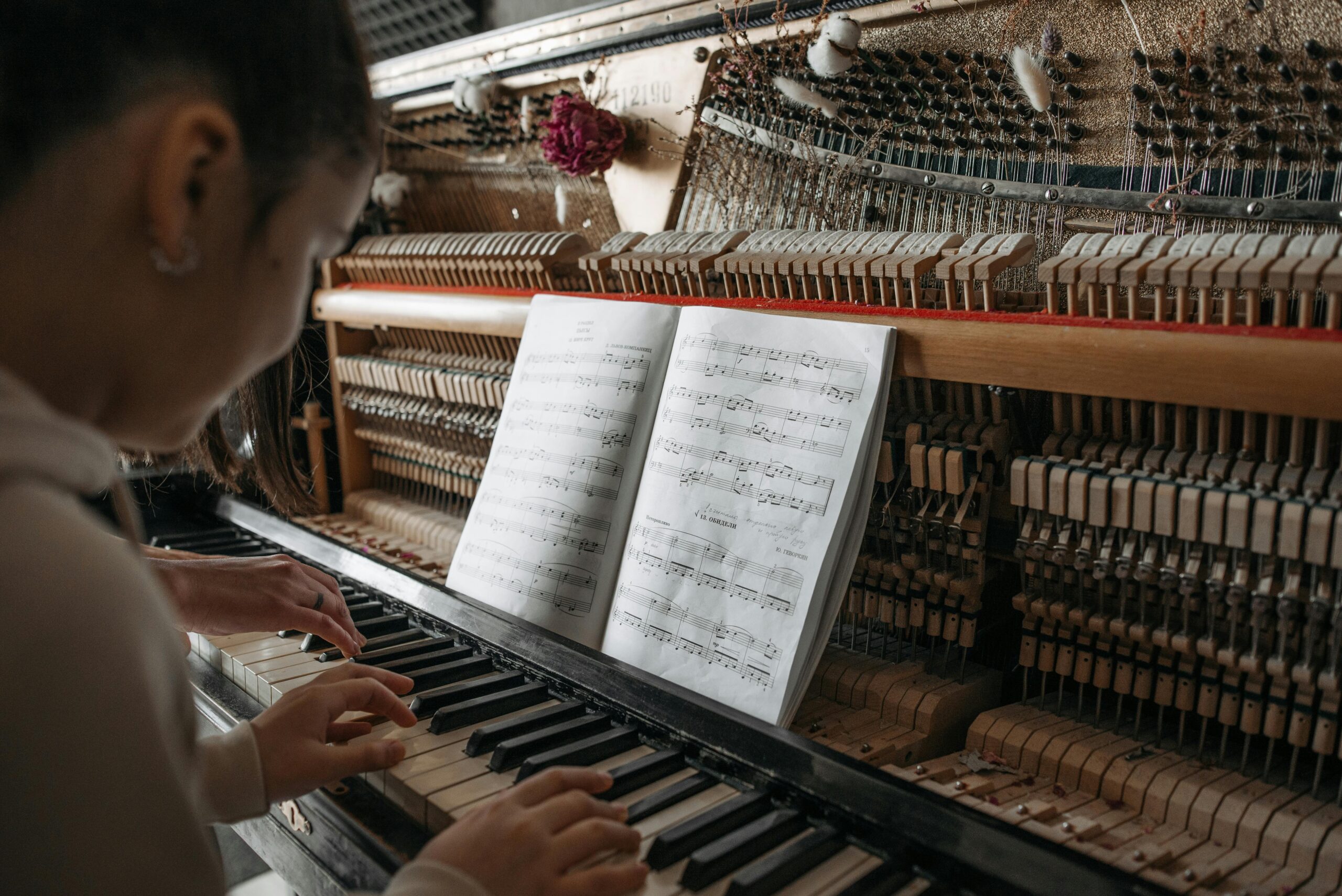
From Marks to Mastery: Making Annotations Work for You 🌟
The ultimate goal of annotation isn’t to create beautifully marked scores—it’s to internalize musical information so completely that the annotations eventually become unnecessary. Each marking should serve your learning process, helping you progress from conscious struggle to unconscious mastery.
View your annotations as scaffolding: temporary supports that enable you to build musical understanding and technique. As structures become solid, some scaffolding can be removed. But unlike physical construction, you can always add annotations back if you return to a piece after a break, providing instant access to your previous insights.
The musicians who master annotation don’t just mark their music—they think differently about learning. They approach each piece as a problem-solving adventure, with annotations serving as both map and travel journal. By developing systematic, thoughtful annotation practices, you’ll accelerate your progress, deepen your musical understanding, and create performance-ready scores that support your best playing.
Start today by examining a piece you’re currently learning. Where are the trouble spots? What technical solutions have you discovered? What interpretive choices have you made? Put pencil to paper and transform your sheet music from static instructions into dynamic, personalized guides that reflect your unique musical journey. Your future self—the one performing confidently and musically—will thank you for the clarity and insight your annotations provide.