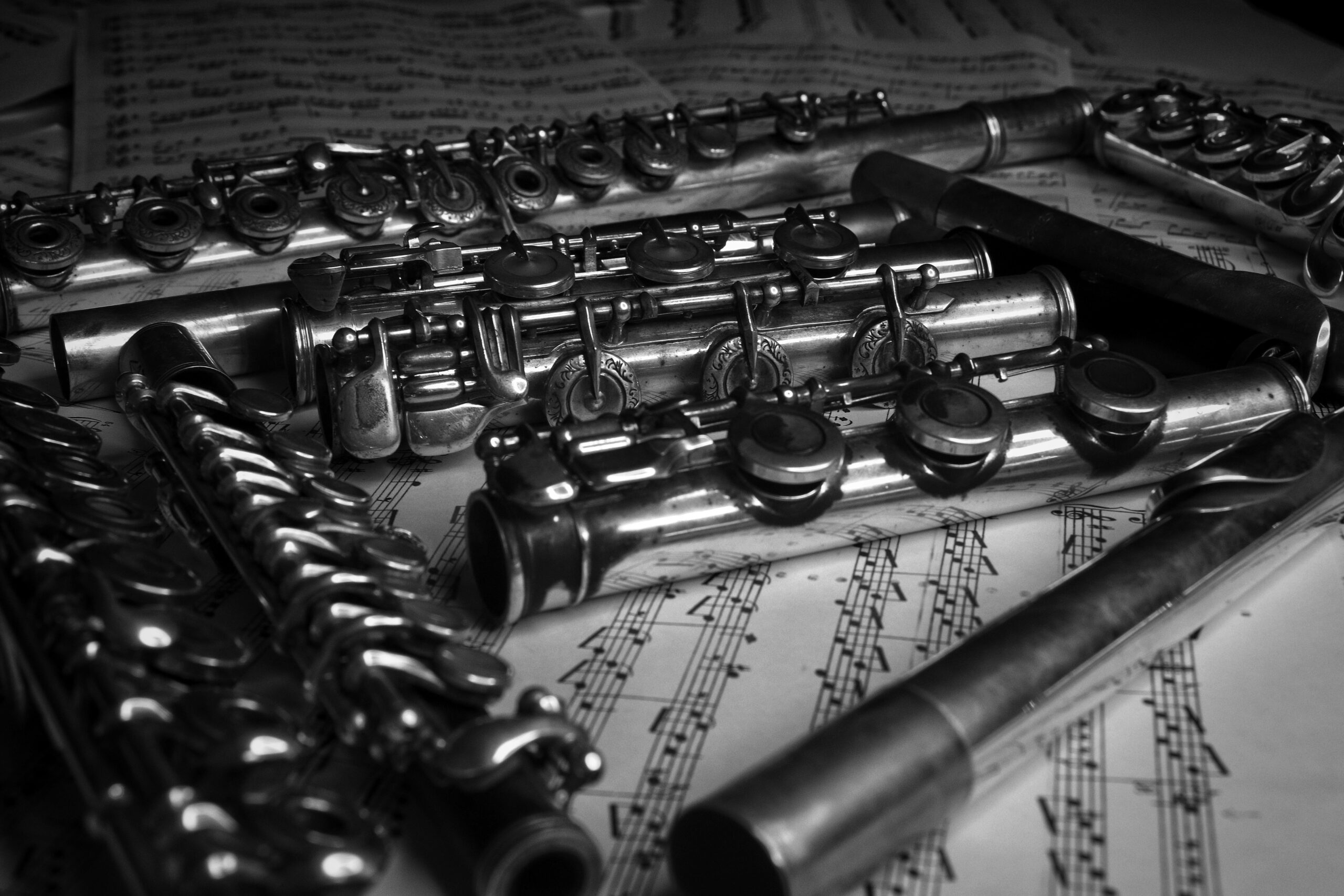
Learning a musical instrument or mastering complex performance pieces requires strategic practice methods. Section-based practice with timers transforms how musicians approach difficult passages, creating a structured path toward technical mastery and artistic confidence.

Every musician encounters passages that seem impossible at first—rapid scales, complex chord progressions, intricate rhythmic patterns, or challenging fingering sequences. These moments can be frustrating, but they also represent opportunities for significant growth when approached with the right methodology.
🎯 Understanding Section-Based Practice: The Foundation of Musical Excellence
Section-based practice involves breaking down musical pieces into manageable segments rather than repeatedly playing through entire compositions. This targeted approach allows musicians to identify problematic areas and address them with focused attention and deliberate repetition.
The human brain learns most effectively when information is chunked into smaller, digestible portions. When we attempt to practice entire pieces without isolating difficult sections, we reinforce both correct and incorrect techniques simultaneously. This creates what psychologists call “distributed practice errors”—mistakes that become embedded in muscle memory through unfocused repetition.
By dividing challenging works into sections—typically four to eight measures at a time—musicians can concentrate mental and physical resources on specific technical challenges. This segmentation creates clear objectives for each practice session and enables measurable progress tracking.
The Neuroscience Behind Focused Practice Sessions
Research in cognitive neuroscience demonstrates that the brain requires specific conditions to form strong neural pathways. When musicians practice with intense focus for limited periods, they activate the prefrontal cortex more effectively than during lengthy, unfocused sessions.
Myelin, the substance that insulates neural pathways and increases signal speed, develops most efficiently through targeted, repetitive practice with full attention. Short, timed practice segments create the ideal conditions for myelination, literally building the neural infrastructure for expert performance.
⏱️ Why Timers Transform Practice Quality and Efficiency
Adding timers to section-based practice introduces accountability and structure that fundamentally changes the practice experience. Without time boundaries, practice sessions often drift into mindless repetition or premature abandonment when frustration builds.
Timers create what behavioral psychologists call “temporal landmarks”—defined beginning and end points that sharpen focus and increase commitment. When a musician sets a timer for ten minutes of concentrated work on a specific passage, they make a psychological contract with themselves to maintain focus for that duration.
This time-boxing technique prevents two common practice pitfalls: spending excessive time on sections already mastered while neglecting truly problematic areas, and giving up on difficult passages before adequate repetition has occurred. The timer serves as both motivator and governor, ensuring balanced attention across all challenging sections.
Optimal Time Intervals for Different Practice Goals
Different practice objectives require different time allocations. Understanding these distinctions helps musicians structure effective practice schedules:
- Initial learning (10-15 minutes): When first encountering a difficult passage, longer intervals allow time for pattern recognition and initial motor learning without overwhelming working memory.
- Technical refinement (5-8 minutes): Once basic notes and rhythms are established, shorter focused bursts prevent fatigue while reinforcing correct muscle patterns.
- Speed building (3-5 minutes): Brief, intense sessions with metronome increments build velocity without embedding tension or errors.
- Performance simulation (8-12 minutes): Moderate intervals recreate performance conditions, developing stamina and concentration endurance.
- Problem-solving (12-20 minutes): Complex interpretive or technical challenges sometimes require extended exploration time for experimentation.
🎼 Creating Your Section-Based Practice Strategy
Effective section-based practice requires thoughtful preparation before touching your instrument. This strategic planning multiplies the efficiency of each practice minute.
Begin by identifying truly problematic passages through careful listening and score study. Mark these sections clearly in your music with colored pencils or removable tabs. Many musicians benefit from creating a practice map—a simple document listing each difficult section with specific technical challenges noted.
The Four-Stage Section Practice Protocol
This structured approach ensures comprehensive mastery of challenging passages:
Stage One: Isolation and Analysis (First Timer Session)
Set your timer for 10 minutes. During this period, play through the section slowly, identifying specific technical obstacles. Ask questions: Where do fingers feel awkward? Which rhythms are unclear? What transitions feel uncomfortable? Take written notes about your observations.
Stage Two: Slow Perfect Repetition (Multiple Timer Sessions)
Set 5-8 minute timers for multiple practice rounds. Play the section at 50-60% performance tempo, focusing exclusively on accuracy. If mistakes occur, immediately stop and restart. The goal is perfect repetitions, building neural pathways for correct execution.
Stage Three: Incremental Tempo Building (Progressive Timer Sessions)
Use 5-minute timed sessions with metronome increments of 4-8 BPM. Play the section perfectly three times at each tempo before increasing speed. This gradual acceleration prevents the tension and errors that accompany premature speed attempts.
Stage Four: Context Integration (Extended Timer Sessions)
Set 10-12 minute timers to practice the mastered section within surrounding musical context. Play several measures before and after the difficult passage, ensuring smooth transitions and maintaining technical control throughout.
📱 Technology Tools for Timer-Based Practice Management
Modern technology offers sophisticated solutions for managing section-based practice with timers. Dedicated practice apps provide features specifically designed for musicians, including interval timers, practice logs, and progress tracking.
Interval timer applications allow musicians to create custom practice sequences with varying work and rest periods. For example, a practice session might include eight 5-minute work intervals separated by 1-minute rest periods, with automatic transitions and audio cues eliminating the need to watch the clock.
Practice journal apps enable detailed logging of which sections were practiced, for how long, and at what tempo. This data reveals practice patterns, identifies neglected areas, and documents progress over time. Some applications generate visual progress charts that provide motivating feedback about improvement trajectories.
Essential Features in Practice Timer Applications
When selecting timer applications for musical practice, look for these valuable capabilities:
- Customizable interval sequences with multiple timer settings saved as presets
- Visual and audio alerts that signal transitions without disrupting concentration
- Practice logging features that track date, duration, sections practiced, and tempo
- Statistical analysis showing practice distribution across different pieces and sections
- Metronome integration allowing synchronized tempo and timing functions
- Cloud synchronization enabling practice tracking across multiple devices
🎹 Overcoming Common Challenges in Timed Section Practice
Even with excellent methodology, musicians encounter predictable obstacles when implementing timer-based section practice. Understanding these challenges and their solutions prevents discouragement and maintains progress momentum.
The Perfectionism Trap: When Good Enough Becomes the Enemy of Better
Many dedicated musicians struggle to move forward from a section until it feels absolutely perfect. While attention to detail is admirable, excessive perfectionism can stall overall progress and create frustration that undermines motivation.
The solution involves implementing a “sufficient mastery” standard rather than absolute perfection. Define clear criteria for section completion: perhaps three consecutive correct repetitions at 80% performance tempo, or five correct executions out of seven attempts. When these benchmarks are met, trust the process and advance to the next section or stage.
Recognize that mastery develops in layers. A section that feels merely adequate today will continue improving through subsequent practice and performance experience. Perfectionism often reflects fear rather than musical necessity—the fear that anything less than flawless practice predicts performance failure.
Maintaining Focus When Timers Feel Restrictive
Some musicians initially resist timed practice, feeling that artificial time constraints interfere with musical flow or creative exploration. This resistance often signals misunderstanding about how timers function in effective practice.
Timers don’t restrict musical expression—they protect it by ensuring adequate attention to technical foundations that make expression possible. View timers as training wheels that can be removed once technical mastery is established, not as permanent constraints on musicality.
If timers feel oppressive, experiment with longer intervals or use them only for specific practice objectives like technical drills. As comfort with structured practice grows, timed sessions increasingly feel supportive rather than limiting.
💪 Building Confidence Through Measurable Progress
One of the most powerful benefits of section-based timer practice involves its impact on musical confidence. Confidence emerges not from vague feelings of improvement but from concrete evidence of developing capability.
Traditional practice often leaves musicians uncertain about actual progress. Did today’s practice session accomplish anything meaningful? Is the piece actually improving, or does it just feel familiar? This ambiguity creates doubt that undermines performance confidence.
Section-based timer practice generates quantifiable progress metrics. You know exactly which sections were practiced, for how long, and at what tempo. You can observe that a passage requiring fifteen minutes of slow practice last week now executes correctly after five minutes at a faster tempo.
Creating Progress Documentation That Builds Belief
Maintaining a simple practice log transforms abstract effort into visible achievement. Record basic information after each timed practice session:
| Date | Section | Duration | Tempo | Quality Rating (1-5) | Notes |
|---|---|---|---|---|---|
| March 15 | Measures 47-54 | 15 min | ♩= 60 | 2 | Fingering awkward in measure 50 |
| March 17 | Measures 47-54 | 12 min | ♩= 68 | 3 | New fingering helps transition |
| March 19 | Measures 47-54 | 10 min | ♩= 76 | 4 | Feeling more secure, ready to increase tempo |
Reviewing this log before performances provides concrete evidence of preparation quality. Rather than hoping you’ve practiced enough, you know exactly how much focused work each challenging section has received. This knowledge translates directly into performance confidence.
🎵 Integrating Timer Practice Into Comprehensive Musical Development
Section-based timer practice represents one component of complete musicianship, not the entirety of practice methodology. Balanced practice schedules integrate focused section work with other essential musical activities.
Effective practice sessions typically allocate time across multiple domains: technical exercises building fundamental skills, section-based problem-solving on challenging passages, run-throughs of entire pieces developing continuity and stamina, sight-reading cultivating fluency, and interpretive exploration pursuing artistic vision.
A well-structured ninety-minute practice session might include: fifteen minutes of warm-up and technical exercises, forty minutes of timed section practice on challenging passages, twenty minutes running complete pieces or movements, and fifteen minutes on sight-reading or exploratory work with new repertoire.
Adapting Timer Strategies for Different Musical Contexts
Different instruments and musical genres benefit from adapted applications of timer-based section practice:
Pianists often work with hands separately during initial section practice, setting timers for focused work on right hand patterns before isolating left hand challenges, then combining hands with additional timed sessions.
String players might use timers for bow distribution exercises on difficult passages, practicing specific sections with exaggerated bow use before incorporating proper dynamics and articulation.
Wind instrumentalists balance timed technical practice with attention to physical endurance, using shorter intervals with adequate rest to prevent embouchure fatigue while building stamina progressively.
Vocalists apply timer principles to text memorization, diction clarity, and phrase shaping, often practicing challenging sections with text alone before adding pitch and rhythm.
🌟 From Practice Room to Performance: Transferring Section Mastery
The ultimate purpose of section-based timer practice involves preparing for successful performances where no safety net exists. Effective practice bridges the gap between isolated section work and continuous performance execution.
As performance dates approach, gradually reduce section isolation while maintaining quality standards established during focused practice. Set longer timers for multi-section sequences, then complete movement run-throughs, ultimately building toward full piece performances under timed conditions simulating concert situations.
Performance simulation practice applies timer methodology to complete pieces. Set a timer matching the performance duration and execute the entire work without stopping, regardless of mistakes. This builds the psychological resilience and concentration stamina essential for successful public performance.
Record these simulation sessions and review them without judgment, simply noting where section practice has successfully transferred to performance context and identifying areas requiring additional focused work. This feedback loop ensures practice activities remain aligned with performance realities.
🚀 Advanced Timer Strategies for Experienced Musicians
As comfort with basic timer practice develops, musicians can implement sophisticated variations that address complex musical challenges and prevent practice plateau.
Variable tempo practice uses timer intervals with intentional tempo fluctuations. Set a five-minute timer and play a challenging section three times slowly, three times at moderate tempo, then three times quickly, developing flexibility and preventing tempo rigidity.
Distraction resistance training deliberately introduces mild distractions during timed practice sessions—background sounds, visual stimuli, or slight discomfort—building concentration capacity that transfers to unpredictable performance environments.
Random section sequencing involves creating a list of all difficult passages, then using a randomizer to determine practice order. This prevents over-reliance on musical context for section execution and develops true section mastery independent of surrounding material.
Micro-interval practice applies extremely short timer periods—60 to 90 seconds—for hyper-focused work on the most resistant technical problems. These brief, intensive sessions maximize attention and prevent the fatigue that accompanies extended struggle with frustrating passages.
✨ Sustaining Long-Term Practice Motivation and Discipline
The structure provided by timer-based section practice contributes significantly to sustained practice motivation over months and years of musical development. Clear objectives, measurable progress, and efficient use of practice time create positive reinforcement that fuels continued effort.
However, even excellent methodology requires conscious motivation management. Recognize that practice enthusiasm naturally fluctuates, and implement strategies that maintain consistency through inevitable motivation valleys.
Varying practice content prevents monotony while maintaining structure. Rotate between multiple pieces or projects, ensuring that each practice session includes at least one section that feels achievable and satisfying alongside more challenging material.
Celebrate milestone achievements explicitly. When a formerly impossible passage becomes reliable, acknowledge that accomplishment consciously rather than immediately moving to the next challenge. This recognition reinforces the reward value of persistent practice effort.
Connect daily practice activities to larger musical aspirations. Remind yourself regularly why particular pieces matter, what performances you’re preparing for, or how current technical challenges relate to long-term musical goals. This big-picture perspective sustains motivation through difficult practice periods.

🎯 Transforming Your Musical Journey Through Strategic Practice
Section-based practice with timers represents more than a technique—it embodies a philosophy of musical development that values precision, efficiency, and measurable progress. This approach respects both the complexity of musical mastery and the reality of limited practice time in busy lives.
Musicians who implement these strategies consistently report not only faster technical progress but also deeper satisfaction with practice experiences. The clarity of focused objectives replaces vague anxiety about whether practice is “good enough.” The evidence of documented improvement builds genuine confidence that withstands performance pressure.
Begin implementing timer-based section practice gradually, perhaps dedicating just fifteen minutes of each practice session to this methodology initially. As comfort and competence grow, expand timed section work while maintaining balance with other essential musical activities.
The challenging passages that once seemed impossibly difficult become achievements documenting your growing capability. Each mastered section represents not just notes learned but skills developed—focus, persistence, problem-solving, and the discipline to apply effective methodology consistently.
Your musical journey deserves the support of practice strategies that actually work. Section-based practice with timers provides that support, transforming frustrating struggle into systematic progress, converting vague hopes into documented achievement, and building the technical foundation and psychological confidence that allows your musical voice to emerge fully and authentically.