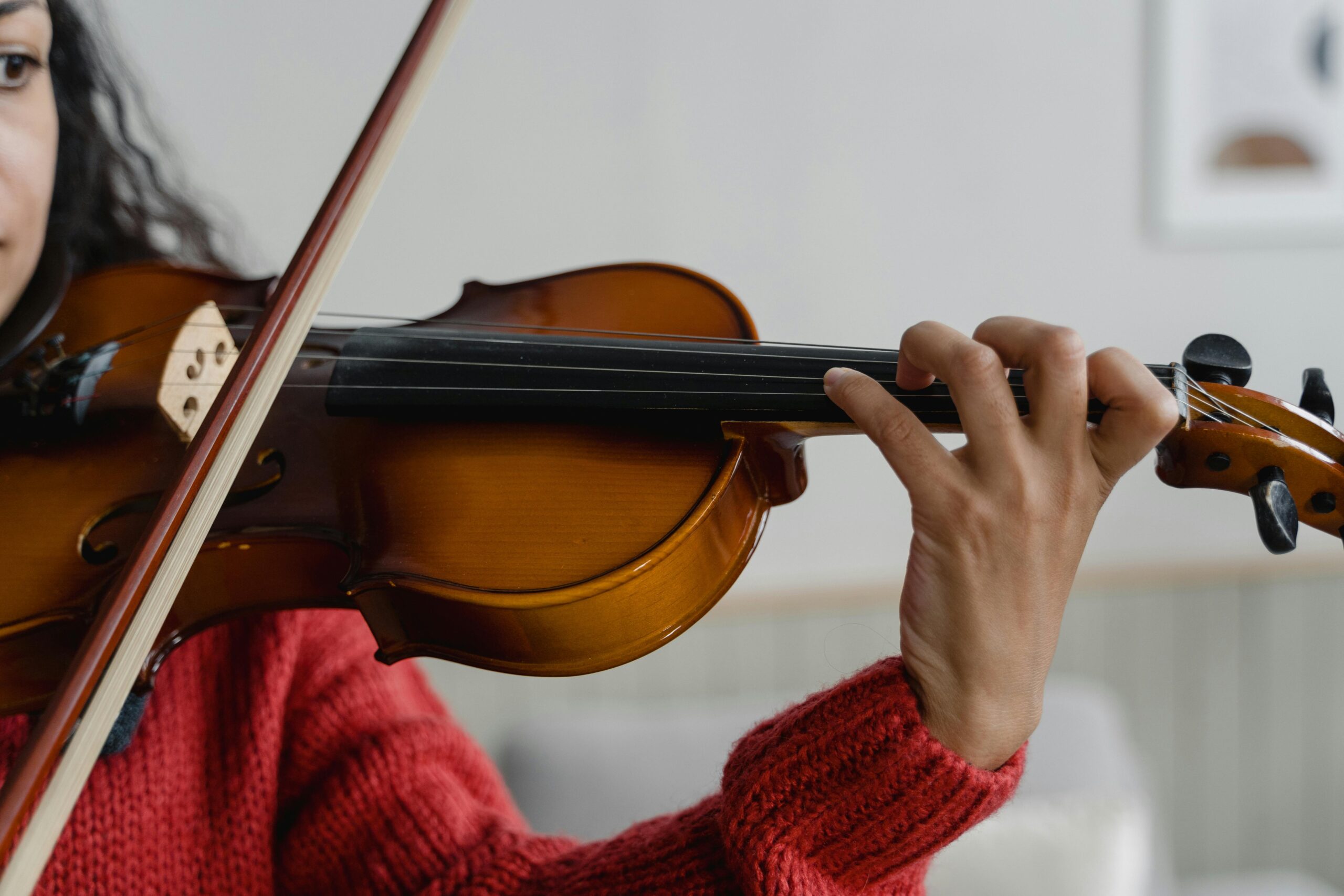
Musical precision isn’t just about playing the right notes—it’s about how you articulate, connect, and shape them. The difference between a good musician and a great one often lies in the microscopic details of their phrasing.

Most musicians spend countless hours practicing scales and complex passages, but overlook the transformative power of working with just 2–3 notes. This focused approach, known as micro-phrasing, can revolutionize your musical expression and technical control in ways that hours of traditional practice cannot match.
🎵 Why Micro-Phrasing Changes Everything
Micro-phrasing is the practice of working intensively with minimal note groups—typically just two or three notes—to perfect every aspect of their production and connection. This approach strips away complexity to reveal the fundamental building blocks of musical expression.
When you reduce your practice material to its bare essence, something remarkable happens. Your attention becomes laser-focused on the subtle nuances that separate mediocre playing from truly expressive musicianship. The articulation of each note, the precise timing between notes, the dynamic shaping, and the tonal quality all become crystal clear.
Professional musicians across all genres have discovered that this simplified approach accelerates skill development faster than traditional methods. Jazz legends like Charlie Parker and classical masters such as Jascha Heifetz were known for their meticulous attention to small musical fragments.
The Science Behind Small-Scale Practice
Neuroscience research supports the effectiveness of micro-phrasing drills. When you practice small musical units repeatedly, you create stronger neural pathways with greater precision. The brain can process and refine movements more effectively when the cognitive load is reduced.
Motor learning studies show that breaking complex skills into micro-components leads to more permanent retention. Each repetition of a 2–3 note phrase allows your nervous system to calibrate the exact muscle coordination needed, building automaticity that transfers to longer passages.
The psychological benefit is equally important. Working with just a few notes eliminates overwhelm and creates immediate feedback loops. You can instantly hear improvements, which reinforces positive practice habits and maintains motivation.
🎯 Setting Up Your Micro-Phrasing Practice
Before diving into specific drills, establish a framework that maximizes the benefits of this approach. Your practice environment and mindset matter as much as the exercises themselves.
Choose Your Note Combinations Strategically
Start with intervals that appear frequently in your repertoire. Half-steps, whole steps, and thirds are excellent starting points because they form the foundation of virtually all melodic movement. Select notes in a comfortable range where you can focus on quality rather than struggling with register.
For instrumentalists, consider the physical challenges specific to your instrument. String players might focus on string crossings, while wind players might work on register transitions. Pianists can explore hand position changes or challenging finger combinations.
Establish Your Practice Parameters
Micro-phrasing works best with clear boundaries. Set specific parameters for each practice session:
- Duration: 5-10 minutes per note combination to maintain focus
- Tempo: Start at 40-60 BPM, where every detail is audible
- Repetitions: 10-15 mindful repetitions rather than mindless drilling
- Variables: Choose 1-2 specific elements to refine per session
Essential Micro-Phrasing Drills That Transform Your Playing
These drills have been refined through decades of pedagogical experience and represent the most effective approaches to developing musical precision.
The Articulation Spectrum Drill 🎼
Select two adjacent notes and play them repeatedly while systematically exploring every articulation possibility. Start with perfectly legato connection, where no space exists between notes. Progress through subtle separation, then moderate staccato, and finally aggressive marcato.
The key is moving through these articulations in small increments, discovering dozens of gradations between the extremes. This drill develops unprecedented control over note beginnings and endings—the moments that define your musical character.
Spend at least three minutes on each two-note combination, cycling through the articulation spectrum multiple times. Record yourself to hear distinctions that you might miss in real-time.
Dynamic Microscopy Exercise
Take three notes forming a simple melodic fragment. Your mission is to explore every conceivable dynamic relationship between these notes. Play the first note forte, the second piano, the third mezzo-forte. Then reverse it. Then create gradual crescendos and diminuendos.
The objective isn’t random variation but conscious control. Can you play the first note at exactly 70% of your maximum volume while the second note is at 30%? This precision transforms your dynamic range from a vague concept into a calibrated tool.
Practice this drill slowly enough that you can feel your body making the adjustments needed for each dynamic level. The physical awareness you develop transfers directly to performance situations.
The Timing Microscope Drill ⏱️
Rhythm is the backbone of musical expression, yet most musicians have surprisingly imprecise timing control. This drill addresses that weakness by working with just two notes and a metronome.
Set your metronome to a comfortable tempo. Play your first note directly on the beat. Now place the second note at different positions: exactly halfway between beats, one-third of the way, two-thirds, three-quarters. Use subdivision counting to ensure accuracy.
The challenge intensifies when you add expressive timing variations. Play slightly behind the beat, then slightly ahead. These “micro-timing” adjustments create groove, swing, and emotional expression that separates mechanical playing from human musicality.
Tone Color Transformation
Every note you play contains infinite timbral possibilities. This drill develops your ability to consciously shape tone color on a micro scale. Using just two or three notes, systematically change the tonal quality while keeping pitch and dynamics constant.
Explore bright versus dark tones, focused versus diffuse sounds, warm versus cold colors. For wind players, this involves embouchure adjustments and air speed variations. String players modify bow pressure, speed, and contact point. Pianists experiment with touch and pedaling.
Record short examples of each tonal variation and compare them. The ability to reliably produce specific tone colors on command is a hallmark of advanced musicianship.
🔄 Creating Variation Layers for Deeper Mastery
Once you’ve established control over individual elements, the real magic happens when you combine variables. This layered approach mirrors how professional musicians actually think about phrasing.
Combination Matrix Practice
Create a practice matrix that combines multiple elements simultaneously. For example, play your 2-note pattern with:
- Legato articulation + crescendo + bright tone
- Staccato articulation + diminuendo + dark tone
- Slightly delayed timing + mezzo-forte + warm tone
This matrix approach exponentially increases the expressive possibilities within your simple note pattern. You’re essentially creating a palette of musical gestures that you can draw upon in any musical context.
Contextual Application Drill
Take your perfected 2–3 note phrase and embed it within different musical contexts. Play it as the beginning of a phrase, the middle, and the ending. Approach it from different intervals and continue to different destinations.
This drill ensures that your micro-precision transfers to real musical situations rather than remaining an isolated skill. The goal is seamless integration of your refined control into flowing musical lines.
Common Mistakes That Sabotage Micro-Phrasing Practice
Even with the right drills, certain pitfalls can undermine your progress. Awareness of these mistakes helps you maintain productive practice habits.
Rushing Through Repetitions
The biggest mistake is treating micro-phrasing drills like mindless repetition exercises. Each iteration should be a conscious exploration with full attention. Quality always trumps quantity. Ten mindful repetitions produce more improvement than a hundred distracted ones.
Neglecting the “Why” Behind Each Variation
Every articulation choice, dynamic level, and timing decision creates a different emotional effect. If you practice variations mechanically without connecting them to musical expression, you’re missing the point. Always ask: “What feeling or meaning does this particular gesture convey?”
Staying in Your Comfort Zone
Micro-phrasing drills should push your boundaries. If every repetition feels easy and comfortable, you’re not challenging yourself sufficiently. Deliberately explore extremes—the softest possible dynamics, the most precise articulations, the subtlest timing variations.
📈 Tracking Progress in Micro-Phrasing Work
Because improvements in micro-phrasing are often subtle, systematic tracking helps you recognize progress and maintain motivation.
Recording and Self-Assessment
Make brief recordings of your micro-phrasing drills weekly. When you compare recordings from different weeks, the improvements become obvious. Listen specifically for consistency, dynamic range, articulation clarity, and tonal control.
Create a simple assessment rubric for yourself. Rate each element on a 1-10 scale: articulation precision, dynamic control, timing accuracy, tonal consistency. Track these scores over time to visualize your development.
Transfer to Repertoire
The ultimate test is whether your micro-phrasing work improves your actual music performance. Select a challenging passage in your current repertoire and assess it before beginning micro-phrasing practice. Reassess the same passage after four weeks of consistent drill work.
Most musicians report dramatic improvements not just in technical accuracy but in musical confidence and expressive freedom. The precision you develop with 2–3 notes naturally transfers to complex musical contexts.
Integrating Micro-Phrasing Into Your Daily Routine 🌅
Consistency matters more than duration. A focused 15-minute micro-phrasing session daily produces better results than occasional marathon practice sessions.
Begin your practice sessions with 10 minutes of micro-phrasing work as a mindful warm-up. This sets a standard of precision and attention for everything that follows. Your regular scale work, technical studies, and repertoire practice all benefit from the heightened awareness micro-phrasing develops.
Schedule specific micro-phrasing drills for different days of the week. Monday might focus on articulation, Wednesday on dynamics, Friday on timing. This rotation keeps the work fresh while ensuring comprehensive development.
Advanced Applications for Professional Development
Professional musicians use micro-phrasing principles to maintain and refine their skills at the highest levels. These advanced applications take the basic concept into specialized territory.
Style-Specific Micro-Phrasing
Different musical genres have distinct phrasing characteristics. Jazz phrasing differs fundamentally from classical or folk styles. Create micro-phrasing drills that isolate the characteristic gestures of your target style.
For jazz, work on swing eighth-note patterns with just two notes, perfecting the triplet-derived feel. For baroque music, practice ornament figures reduced to their simplest components. For contemporary music, explore extended techniques on minimal pitch material.
Ensemble Precision Training
Micro-phrasing isn’t limited to solo practice. Chamber musicians and section players can use these drills to develop ensemble precision. Two musicians playing the same 2–3 notes in unison, working to match every aspect of articulation, timing, and tone, creates extraordinary unity.
This approach addresses intonation, blend, balance, and rhythmic coordination simultaneously. The simplified note material allows ensembles to hear and adjust discrepancies that would be masked in complex passages.
The Psychological Transformation of Micro-Practice 🧠
Beyond technical benefits, micro-phrasing practice fundamentally changes how you think about music and learning. This shift in perspective may be the most valuable outcome of all.
When you discover how much expressive possibility exists within just two notes, you realize that musical depth comes from how you play, not what you play. This liberates you from the constant chase for more difficult repertoire and refocuses attention on musical substance.
The patience required for micro-phrasing work cultivates mindfulness that extends beyond music. The ability to focus intensely on small details while maintaining awareness of larger artistic goals is a metacognitive skill applicable to any domain.
Musicians who embrace micro-phrasing often report decreased performance anxiety. When you’ve trained with such precision on simple material, the notes of your repertoire feel more manageable. Your confidence comes from genuine mastery rather than hope.
Building Your Personalized Micro-Phrasing Program
While the drills outlined here provide a foundation, the most effective micro-phrasing practice is tailored to your specific needs, instrument, and musical goals.
Analyze your playing honestly to identify weaknesses. Do you struggle with dynamic control? Rhythmic precision? Articulation clarity? Design micro-phrasing drills that directly address these challenges using note combinations from your actual repertoire.
Create a practice journal documenting your micro-phrasing work. Note which drills produce the most noticeable improvements. Track which variables feel most challenging. Over time, patterns emerge that guide your practice decisions.
Consider working with a teacher or colleague who can provide objective feedback on your micro-phrasing work. Sometimes the subtleties you’re working on are difficult to self-assess accurately, and an experienced listener can offer valuable perspective.

From Micro-Precision to Musical Freedom 🎭
The paradox of micro-phrasing is that extreme attention to detail ultimately produces spontaneous, free expression. When you’ve developed precise control over every variable, you can make musical choices instinctively without conscious calculation.
Think of micro-phrasing practice as building a sophisticated instrument—your own body and mind. The more refined and responsive your instrument becomes, the more faithfully it can express your musical ideas. The technical becomes transparent, allowing pure artistry to emerge.
This is why master musicians can sound simultaneously effortless and deeply expressive. Their years of detailed work on fundamentals, often using approaches like micro-phrasing, have created automatic precision that serves artistic vision without interference.
Your journey with micro-phrasing practice never truly ends. Even after decades of music-making, returning to simple 2–3 note drills provides fresh insights and renewed precision. The great artists never stop refining the basics—they simply reach deeper levels of subtlety.
Start tomorrow with just two notes. Choose them carefully, play them mindfully, and explore their infinite possibilities. The transformation in your musical expression will be profound, measurable, and permanent. Mastering the art of musical precision begins not with complexity, but with the courageous simplicity of focused micro-phrasing work.