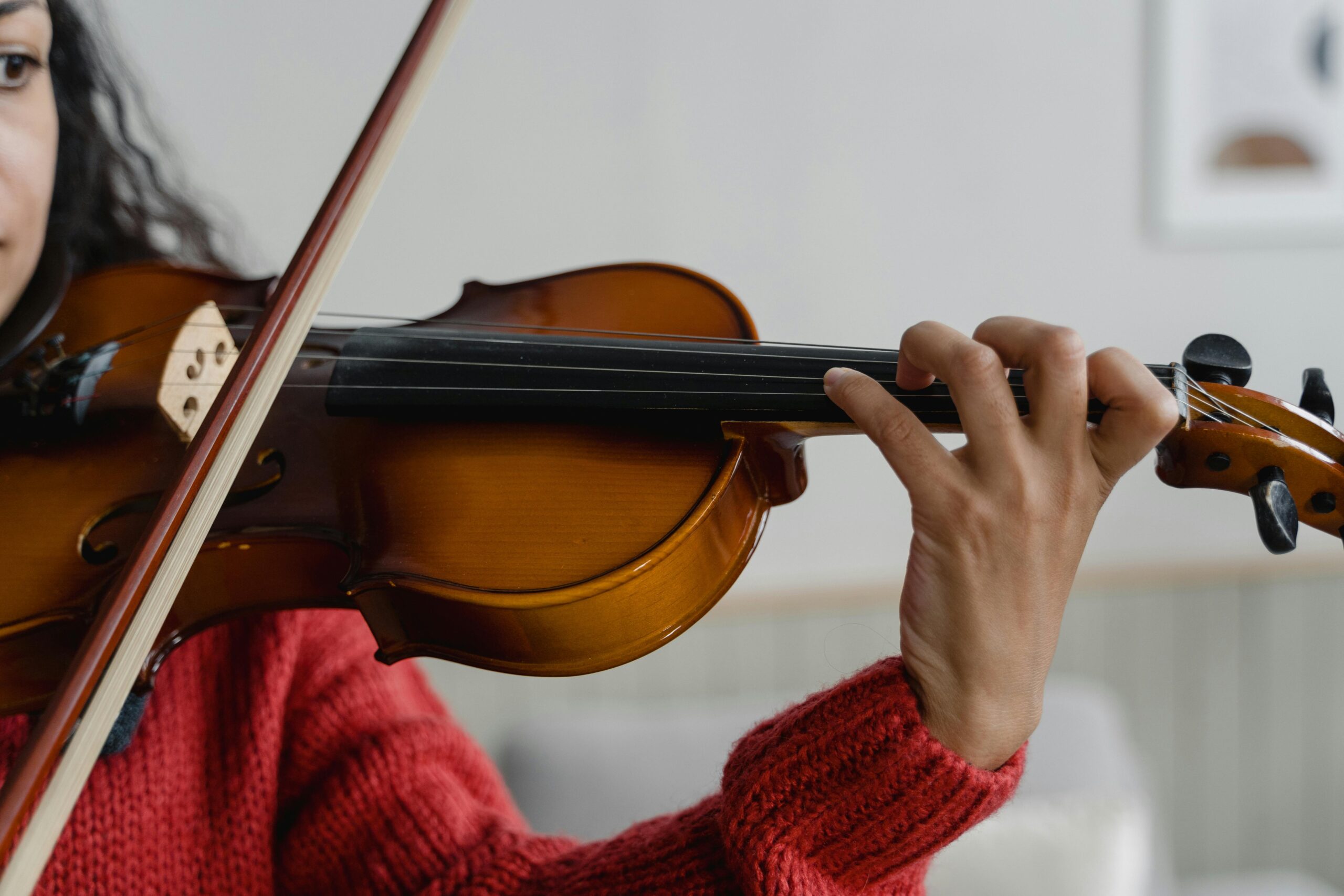
Sight-reading is the ultimate test of a musician’s skill, demanding instant recognition and execution. Mastering this art requires more than talent—it needs strategic practice that sharpens your reaction speed and precision.

Every musician knows the frustration of stumbling through unfamiliar music, eyes lagging behind the beat while fingers struggle to catch up. This gap between seeing notation and producing sound can make or break a performance. The good news? Your sight-reading reaction speed isn’t fixed—it’s a trainable skill that responds remarkably well to targeted micro-drill techniques.
🎵 Understanding the Sight-Reading Challenge
Sight-reading engages multiple cognitive processes simultaneously. Your brain must decode notation, translate symbols into physical movements, maintain rhythmic accuracy, and monitor the sound you’re producing—all in real-time. This complex task explains why even accomplished musicians sometimes struggle with unfamiliar pieces.
The reaction time between seeing a note and playing it represents your cognitive processing speed for musical information. For most musicians, this delay ranges from 200 to 800 milliseconds, depending on complexity and familiarity. Professional sight-readers often operate at the faster end of this spectrum, having trained their neural pathways through deliberate practice.
Traditional practice methods often involve playing through entire pieces repeatedly, but this approach can reinforce bad habits and doesn’t target specific weaknesses. Precision micro-drills offer a revolutionary alternative by isolating individual elements of sight-reading and training them to automaticity.
The Science Behind Micro-Drill Training
Neuroscience research reveals that skill acquisition follows predictable patterns. When you first encounter new musical notation, your brain engages conscious, effortful processing. Through repetition and targeted practice, these processes gradually shift to automatic, unconscious execution—freeing up mental resources for musical expression.
Micro-drills leverage this neuroplasticity by presenting short, focused challenges that require intense concentration for brief periods. Rather than practicing for hours with diminishing returns, you engage in high-intensity bursts that maximize learning efficiency. This approach aligns with cognitive load theory, which suggests that working memory has limited capacity.
Each micro-drill session creates stronger neural connections between visual pattern recognition and motor responses. Over time, these pathways become so efficient that your reaction approaches near-instantaneous levels, transforming your sight-reading from a conscious struggle into an intuitive flow.
⚡ Core Micro-Drill Techniques for Reaction Speed
Building exceptional sight-reading skills requires systematic training across multiple dimensions. Let’s explore the most effective micro-drill categories that target different aspects of reaction speed.
Interval Recognition Drills
Interval identification forms the foundation of melodic sight-reading. Rather than reading individual notes, skilled musicians recognize patterns and relationships between pitches. Micro-drills should present random intervals with progressively shorter display times, forcing rapid recognition.
Start with simple intervals—seconds, thirds, and fourths—displayed for two seconds each. Identify the interval without playing it, then verify your answer. As accuracy improves, reduce display time to 1.5 seconds, then one second, then 500 milliseconds. This progressive challenge pushes your visual processing speed while building pattern recognition.
Advanced variations include compound intervals, inverted intervals, and intervals presented in different clefs or registers. Each variation creates new neural pathways, expanding your sight-reading versatility across musical contexts.
Rhythmic Flash Cards
Rhythm represents the temporal dimension of sight-reading, requiring precise coordination between visual input and motor output. Micro-drills should isolate rhythmic patterns from pitch information, allowing focused development of temporal accuracy.
Create flash cards featuring single-measure rhythmic patterns of increasing complexity. Display each pattern for a brief interval, then reproduce it through clapping, tapping, or playing on a single pitch. Begin with simple quarter and eighth note combinations, progressing through sixteenth notes, triplets, syncopation, and mixed meters.
The key is maintaining tempo consistency across patterns. Use a metronome religiously, and gradually increase the speed as patterns become automatic. This trains your internal pulse while sharpening reaction time for rhythmic complexity.
Chord Recognition Sprints
For pianists, organists, and other harmonic instrumentalists, instantaneous chord recognition dramatically improves sight-reading efficiency. Rather than decoding individual notes, you perceive entire sonorities as single units.
Design micro-drills that flash chord symbols or written chords for one to two seconds. Identify the chord quality and inversion without playing it, then verify. Progress from basic triads through seventh chords, extended harmonies, and altered chords. Include voicings across different registers and clefs.
This training develops what pedagogues call “vertical reading”—the ability to process simultaneous pitches as unified gestures rather than separate elements. The efficiency gains are substantial, often doubling sight-reading speed for harmonic passages.
🎯 Implementing Your Micro-Drill Practice Routine
Effectiveness depends not just on what you practice, but how you structure your sessions. Micro-drills work best when integrated into a systematic routine that balances intensity, recovery, and progressive challenge.
Optimal Session Structure
Research on deliberate practice suggests that focused sessions of 15-25 minutes produce better results than marathon practice sessions. Your micro-drill routine should follow this principle, concentrating intense effort into manageable chunks.
Begin each session with a five-minute warm-up using familiar patterns to activate relevant neural networks. Then cycle through three to four different drill types, spending five minutes on each. Conclude with a brief sight-reading challenge that applies your improved skills to actual music.
Schedule multiple short sessions throughout the day rather than one long session. Distributed practice enhances retention and prevents mental fatigue that undermines learning. Even three 15-minute sessions significantly outperform a single 45-minute block.
Progressive Difficulty Calibration
Effective micro-drills maintain what psychologists call the “zone of proximal development”—challenging enough to stimulate growth but not so difficult that they cause frustration or reinforce errors.
Track your accuracy rate for each drill type. When you consistently achieve 90% accuracy, increase the difficulty by reducing display time, increasing pattern complexity, or adding distractions. If accuracy drops below 70%, reduce difficulty to rebuild confidence and consolidate learning.
This data-driven approach ensures continuous progress while preventing plateaus. Consider maintaining a practice journal documenting your drill parameters and accuracy rates, providing objective feedback on your improvement trajectory.
Digital Tools and Applications for Precision Training
Technology has revolutionized sight-reading practice, offering sophisticated tools that adapt to your skill level and provide instant feedback. Modern apps can generate unlimited drill variations, track progress metrics, and optimize challenge levels automatically.
Several specialized applications focus specifically on music reading skills. These platforms typically include customizable flash card systems, progressive difficulty algorithms, and performance analytics. The best apps incorporate gamification elements that maintain engagement during repetitive practice.
When selecting digital tools, prioritize those offering granular control over drill parameters. You should be able to specify exactly which elements to practice—particular intervals, rhythmic patterns, key signatures, or clef combinations. This specificity allows targeted improvement of your weakest areas.
Analog Alternatives and Hybrid Approaches
While digital tools offer convenience, traditional methods retain significant value. Physical flash cards provide tactile engagement and eliminate screen fatigue. Creating your own cards also reinforces learning through the act of notation.
A hybrid approach often works best—using apps for automated drill generation and tracking while incorporating physical materials for variety and deeper processing. This combination leverages the strengths of both methodologies while mitigating their limitations.
Partner drills add another dimension, with one musician presenting challenges while another responds. This social element increases accountability and introduces unpredictable variations that mirror real sight-reading scenarios.
📊 Measuring Progress and Maintaining Motivation
Quantifiable metrics transform abstract improvement into concrete achievements, sustaining motivation through inevitable practice plateaus. Establish baseline measurements across different drill categories, then track progress weekly or biweekly.
| Skill Component | Measurement Method | Improvement Target |
|---|---|---|
| Interval Recognition Speed | Time to identify 20 random intervals | Reduce by 25% in 4 weeks |
| Rhythmic Accuracy | Percentage correct in 50-pattern test | Increase from 75% to 90% |
| Chord Identification | Correct identifications per minute | Double baseline rate |
| Overall Sight-Reading | Error count in standardized excerpt | 50% reduction in errors |
These metrics provide objective evidence of improvement that subjective feelings might miss. Celebrate milestones—each 10% improvement represents significant neural adaptation and deserves recognition.
Motivation naturally fluctuates during extended practice campaigns. Combat this by varying drill formats, introducing competitive elements, or practicing with partners. Setting performance goals—like sight-reading a specific difficult piece—creates meaningful context for your technical drills.
🎼 Integrating Micro-Drills with Musical Repertoire
The ultimate purpose of improved sight-reading isn’t drill performance—it’s musical excellence. Your micro-drill practice must connect to real repertoire, transferring technical gains into artistic expression.
After each micro-drill session, immediately sight-read an unfamiliar piece that incorporates the patterns you’ve practiced. This application phase cements learning by demonstrating practical relevance. Choose music slightly below your current sight-reading level to ensure success and positive reinforcement.
Analyze pieces you’re learning for recurring patterns that deserve dedicated micro-drill attention. If a composition features frequent ascending sixths, create targeted drills for that specific interval. This repertoire-driven approach makes practice directly relevant to your musical goals.
Genre-Specific Considerations
Different musical styles present unique sight-reading challenges requiring specialized micro-drills. Classical musicians benefit from exercises emphasizing contrapuntal independence and ornament recognition. Jazz players need chord symbol fluency and rhythmic complexity drills. Contemporary musicians should practice irregular meters and extended techniques.
Customize your micro-drill routine to reflect your musical priorities. A church organist requires different skills than a musical theater pianist, despite sharing foundational sight-reading competencies. Tailored practice accelerates progress toward your specific performance contexts.
Advanced Strategies for Elite Sight-Readers
Once basic micro-drill techniques become routine, advanced strategies can push your sight-reading to professional levels. These approaches add layers of complexity that mirror the multitasking demands of real performance situations.
Dual-Task Training
Performing micro-drills while simultaneously executing secondary tasks develops the divided attention necessary for expressive sight-reading. Try identifying intervals while maintaining a steady pulse on a foot pedal, or recognizing chord progressions while counting aloud in German.
These divided-attention exercises train your brain to automate sight-reading processes to the point where they require minimal conscious resources. This automation frees mental capacity for musical interpretation, phrasing, and dynamic shaping—the elements that transform accurate note-reading into compelling performance.
Predictive Reading Practice
Elite sight-readers don’t just react to notation—they anticipate what’s coming based on musical context. Micro-drills can develop this predictive capacity by presenting partial information and requiring completion based on stylistic norms.
Display the first few notes of a phrase, then predict the continuation before revealing it. Practice identifying cadence types from harmonic progressions. These exercises train pattern recognition at a higher structural level, enabling you to read ahead effectively during performance.
🚀 Overcoming Common Obstacles and Plateaus
Every musician encounters challenges during sight-reading development. Understanding common obstacles and their solutions prevents discouragement and maintains progress momentum.
Physical tension often accompanies the mental strain of challenging sight-reading. This tension impedes fluid execution and slows reaction times. Incorporate brief body awareness checks during micro-drill sessions, releasing unnecessary muscle tension while maintaining postural support.
Fear of mistakes creates a vicious cycle where anxiety slows processing and increases errors. Reframe micro-drills as low-stakes experiments rather than tests. The private practice room is precisely where errors should happen—they provide information about areas needing attention.
Plateaus are inevitable in skill development, reflecting consolidation periods where the brain integrates previous learning. When progress stalls, resist the temptation to increase practice volume dramatically. Instead, vary your approach—change drill formats, practice at different times of day, or focus on different skill components.
Long-Term Development and Lifelong Learning
Sight-reading excellence isn’t a destination but an ongoing journey. Even professional musicians maintain regular sight-reading practice to preserve and expand their capabilities. The musicians who sight-read most fluently are typically those who’ve maintained consistent practice over years or decades.
As your skills advance, continually seek new challenges that push your abilities. Explore unfamiliar clefs, transpose at sight, or tackle contemporary notation systems. Each new challenge creates neural growth and prevents complacency.
The micro-drill approach scales beautifully across skill levels. Beginners use it to establish foundational recognition speed, while advanced musicians employ it to refine subtle aspects of processing efficiency. This adaptability makes it a permanent addition to your practice toolkit.

🎯 From Practice Room to Performance Stage
The ultimate validation of your micro-drill practice comes during actual performances—when you confidently navigate unfamiliar music in high-pressure situations. Transitioning practice gains to performance requires specific preparation strategies.
Simulate performance conditions during practice sessions. Set artificial time limits for sight-reading pieces, eliminating the luxury of stopping to figure out difficult passages. Record yourself sight-reading and review the recordings critically, identifying patterns in your errors.
Seek opportunities to sight-read in front of others, even informally. The presence of listeners adds pressure that reveals which skills have truly reached automaticity versus those still requiring conscious attention. These experiences provide invaluable feedback for refining your micro-drill focus.
Remember that sight-reading serves musical communication, not technical display. As your reaction speed improves through micro-drill practice, consciously direct your liberated attention toward expressive elements—phrasing, dynamics, articulation, and emotional content. Technical fluency becomes the foundation for artistic interpretation.
Mastering sight-reading through precision micro-drills transforms your relationship with unfamiliar music. What once triggered anxiety becomes an exciting opportunity to explore new musical worlds. Your improved reaction speed doesn’t just help you play notes faster—it opens doors to broader repertoire, more performance opportunities, and deeper musical satisfaction. Commit to regular micro-drill practice, track your progress systematically, and watch as your sight-reading evolves from a weakness into one of your greatest musical strengths. The journey requires patience and persistence, but the rewards—musical freedom, confidence, and versatility—make every focused practice minute worthwhile.