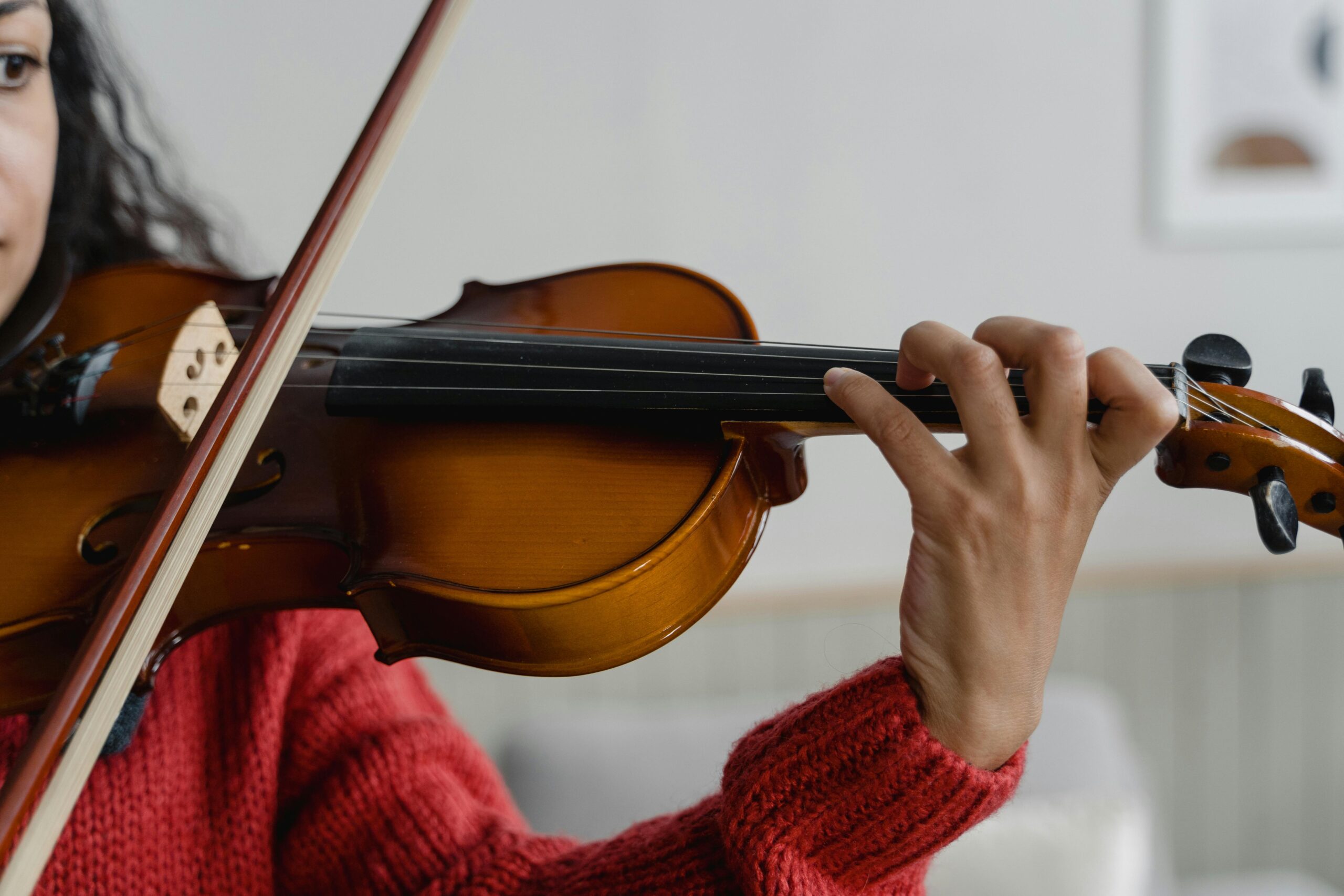
Precision in micro-movements can revolutionize your approach to skill development, whether you’re a musician, surgeon, artist, or craftsperson. The secret lies in targeted exercises that transcend traditional practice methods.

Most professionals spend countless hours with their primary instruments, yet often plateau in their technical abilities. What separates masters from intermediate practitioners isn’t just time invested—it’s the strategic development of fundamental micro-dexterity that underlies all precision work. By isolating and strengthening the neurological pathways and muscular control systems that govern fine motor skills, you can unlock exponential improvements in your primary discipline.
🎯 Understanding Micro-Dexterity: The Foundation of Precision
Micro-dexterity refers to the refined control of small muscle groups, particularly in the hands, fingers, and wrists. Unlike gross motor skills that involve large movements, micro-dexterity governs the subtle adjustments that determine the difference between adequate and exceptional performance. This precision operates at a neurological level, where your brain creates increasingly sophisticated maps of finger positions, pressure variations, and timing sequences.
Research in motor learning demonstrates that cross-training fine motor skills creates transferable neural adaptations. When you challenge your hands and fingers in novel ways outside your primary discipline, you’re essentially building a more robust foundation for all precision work. Think of it as expanding the operating system that runs all your specialized applications.
The Science Behind Skill Transfer and Neural Plasticity
Neuroscientific studies reveal that motor skill acquisition involves the cerebellum, motor cortex, and basal ganglia working in concert. When you practice precision drills outside your primary instrument, you’re engaging these same neural networks from different angles. This multi-directional stimulation enhances neuroplasticity—your brain’s ability to form new neural connections and strengthen existing pathways.
The concept of “bilateral transfer” is particularly relevant here. Improvements in dexterity on one hand often translate to enhanced performance on the other, even without direct practice. Similarly, precision developed through one type of movement pattern can facilitate learning in seemingly unrelated tasks that share underlying motor control requirements.
Creating New Neural Pathways
Each precision drill you incorporate creates distinct neural maps. When these maps overlap with your primary skill domain, the result is enhanced control, faster reaction times, and more refined execution. Musicians who practice origami, for instance, often report improved finger independence. Surgeons who engage in model building frequently demonstrate better instrument control during procedures.
⚡ Essential Micro-Dexterity Drills for Universal Application
The following exercises have been validated across multiple disciplines for their effectiveness in building transferable precision skills. Incorporate them into your daily routine for 15-30 minutes to see measurable improvements within weeks.
Coin Manipulation Exercises
Working with coins provides immediate tactile feedback and requires no special equipment. Start by rolling a quarter across your knuckles from index to pinky finger and back. This classic exercise develops finger independence, spatial awareness, and controlled momentum transfer. Progress to manipulating multiple coins simultaneously, then advance to performing these movements without looking.
The neurological demands of coin manipulation closely mirror those required for instrument control, surgical precision, and fine art techniques. You’re training proprioception—your body’s sense of position in space—which directly enhances performance in your primary discipline.
Chopstick Precision Training
Chopsticks offer exceptional versatility for dexterity development. Beyond their culinary use, they serve as precision instruments for micro-control training. Practice picking up progressively smaller objects: start with beans, advance to rice grains, then challenge yourself with sesame seeds or even poppy seeds.
Create timed challenges where you transfer small items between containers. Vary the exercise by using chopsticks of different lengths, materials, and weights. This variation prevents adaptation plateaus and continually challenges your fine motor control systems. The grip pressure modulation required for chopstick control directly translates to improved instrument handling across disciplines.
Thread and Needle Mastery
Threading needles of progressively smaller sizes combines visual-motor coordination with exceptional fine control. This exercise demands steady hands, precise targeting, and breath control—all essential components of micro-dexterity. Set yourself challenges like threading five needles of decreasing sizes in under one minute.
Advance this drill by performing it under varied conditions: after light physical exercise, in dimmer lighting, or while maintaining conversation. These variations simulate the pressure conditions you’ll face when executing precision tasks in your primary field.
🔧 Specialized Tools for Accelerated Development
While simple household items provide excellent training opportunities, specialized tools can accelerate your micro-dexterity development with targeted resistance and feedback mechanisms.
Finger Resistance Bands
Individual finger resistance bands strengthen the extensor muscles—often neglected in traditional training. Most people overdevelop their flexor muscles (which close the hand) while leaving extensors weak. This imbalance limits speed, endurance, and control. Dedicate five minutes daily to finger extension exercises against progressive resistance.
Precision Tweezers and Forceps
Professional-grade tweezers with various tip configurations provide scalable challenges. Practice picking up and precisely placing tiny objects like watch screws, small beads, or electronic components. The controlled grip pressure required prevents crushing delicate items while maintaining secure holds—a skill that transfers brilliantly to instrument control.
Balance Boards for Hands
Specialized balance trainers designed for hands and fingers challenge your proprioceptive systems in unique ways. These devices force constant micro-adjustments, building the stabilizer muscle control that underlies all precision work. Even five minutes of hand balancing exercises can enhance overall dexterity significantly.
💪 Building Endurance Without Fatigue Injuries
Precision without endurance remains limited. However, building stamina in small muscle groups requires careful progression to avoid repetitive strain injuries that could sideline your development for months.
Progressive Overload Principles
Apply the same progressive overload principles used in strength training to your micro-dexterity work. Increase difficulty by only 5-10% weekly through longer duration, smaller objects, increased speed, or added complexity. Never progress in multiple dimensions simultaneously—adjust one variable at a time while maintaining consistency in others.
Recovery and Regeneration Protocols
Small muscle groups require adequate recovery. Incorporate contrast therapy (alternating warm and cold water soaks), gentle stretching protocols, and self-massage techniques. Pay particular attention to the forearm flexors and extensors, as tension here directly impacts finger control and endurance.
Schedule intensive precision drills for when you’re mentally fresh but physically recovered. Morning sessions often prove optimal, as neural plasticity peaks after quality sleep. Avoid back-to-back days of intense micro-dexterity work initially—allow at least 48 hours between challenging sessions.
🎨 Cross-Training Activities for Comprehensive Development
Certain activities provide comprehensive micro-dexterity training while remaining engaging enough to sustain long-term practice. These cross-training modalities offer the dual benefits of skill transfer and reduced mental fatigue from repetitive drills.
Origami and Paper Crafts
Traditional origami demands precise folds, controlled pressure, and spatial visualization. Complex models require hundreds of sequential movements executed with exactness. The bilateral coordination, finger independence, and fine pressure control developed through origami translate remarkably well to instrumental precision.
Start with intermediate models and progress toward complex designs with 50+ steps. Time yourself on familiar patterns to track improvement in execution speed and accuracy. The meditative quality of origami also provides mental clarity benefits that enhance overall practice quality.
Model Building and Miniature Assembly
Scale model construction—whether plastic models, miniature furniture, or architectural replicas—provides comprehensive dexterity training. Working with tiny components demands tweezers skills, steady hands, spatial reasoning, and sustained concentration. The problem-solving aspects engage cognitive functions that support motor learning.
Choose projects slightly beyond your current comfort level. The challenge-skill balance keeps you in the optimal learning zone where neural adaptation occurs most rapidly. Document your progress photographically to maintain motivation and track visible improvement in finish quality.
String Manipulation Arts
Activities like macramé, string figures, or even yo-yo tricks develop exceptional finger independence and bilateral coordination. The rhythmic nature of string work creates patterns that enhance motor memory formation. These skills transfer particularly well to any discipline requiring coordinated multi-finger sequences.
📊 Measuring Progress and Setting Benchmarks
Quantifying micro-dexterity improvements ensures your training remains effective and motivating. Establish baseline measurements and retest monthly to track development objectively.
| Test | Measurement Method | Target Improvement |
|---|---|---|
| Coin Rolling | Complete cycles in 60 seconds | 25% increase monthly |
| Rice Grain Transfer | Grains moved with chopsticks in 2 minutes | 15-20% increase monthly |
| Needle Threading | Time to thread 5 progressively smaller needles | 20% reduction monthly |
| Sustained Precision Hold | Duration maintaining tweezers grip on small object | 30% increase monthly |
Video Analysis for Form Refinement
Record yourself performing precision drills monthly. Review footage to identify unnecessary tension, inefficient movement patterns, or asymmetries between hands. Visual feedback accelerates motor learning by making unconscious patterns visible for conscious refinement.
🧠 Mental Training Complements Physical Practice
Elite performers across disciplines employ mental rehearsal to enhance physical skills. Visualization activates similar neural pathways as physical practice, creating genuine motor learning without physical fatigue or injury risk.
Kinesthetic Imagery Practice
Spend 5-10 minutes daily visualizing precision movements in vivid detail. Feel the texture of objects, sense the pressure in your fingertips, and experience the smooth coordination of successful execution. Research demonstrates that combining physical practice with mental rehearsal produces superior results compared to either method alone.
Flow State Cultivation
Precision work benefits enormously from flow states—those periods of effortless concentration where performance peaks. Design your practice environment to facilitate flow: eliminate distractions, match challenge to skill level, and establish clear immediate goals for each session. The neural efficiency developed in flow states transfers to performance in your primary discipline.
⏱️ Designing Your Personalized Micro-Dexterity Program
Effective skill development requires structured programming tailored to your current level, time availability, and specific goals. A well-designed program balances variety, progressive challenge, and adequate recovery.
Beginner Protocol (Weeks 1-4)
Focus on establishing baseline abilities and developing consistent practice habits. Dedicate 15 minutes daily to fundamental drills: 5 minutes coin manipulation, 5 minutes chopstick work, and 5 minutes needle threading. Prioritize proper form over speed or complexity. This foundation phase develops basic neuromuscular patterns and injury-resistant movement quality.
Intermediate Protocol (Weeks 5-12)
Increase session duration to 25 minutes and introduce specialized tools. Alternate between strength-focused days (resistance bands, sustained holds) and speed-focused days (timed challenges, rapid transfers). Add one cross-training activity practiced twice weekly for 20 minutes. This phase builds capacity and prevents adaptation plateaus through varied stimuli.
Advanced Protocol (Week 13+)
Customize your program based on identified weaknesses and primary skill requirements. Incorporate complex multi-step sequences, perform drills under challenging conditions (post-exercise, time pressure, divided attention), and emphasize transfer exercises that most closely mirror your primary discipline demands. Advanced practitioners benefit from periodized training with intensity cycles to maximize adaptation while preventing overuse injuries.
🌟 Real-World Applications Across Disciplines
The versatility of micro-dexterity training becomes apparent when examining applications across diverse fields. These transferable skills represent the hidden curriculum of mastery—rarely taught explicitly but universally present in elite performers.
For Musicians
Instrumentalists develop finger independence, controlled pressure variation, and rapid sequential movements through precision drills. Pianists report cleaner runs, string players achieve more consistent vibrato, and wind instrumentalists gain better valve or key control. The bilateral coordination from activities like origami directly enhances two-handed instrumental passages.
For Visual Artists
Painters, illustrators, and calligraphers require exceptional brush control, sustained precision, and pressure modulation. Micro-dexterity drills build the endurance for long creation sessions while maintaining consistent quality. The fine motor control from chopstick exercises translates beautifully to brush handling and pen control.
For Medical Professionals
Surgeons, dentists, and interventional specialists depend on unwavering precision under pressure. The steady hands and controlled movements developed through systematic dexterity training directly impact patient outcomes. Many surgical training programs now incorporate formal dexterity development protocols recognizing these transferable benefits.
For Crafts and Trades
Jewelers, watchmakers, electronics technicians, and other precision craftspeople rely on micro-dexterity for their livelihood. Regular training prevents skill degradation, accelerates apprentice development, and extends career longevity by preventing repetitive strain injuries through balanced muscular development.
Integrating Micro-Dexterity Work Into Your Existing Routine
The greatest training program fails if not implemented consistently. Strategic integration into existing routines ensures adherence without overwhelming your schedule or competing with primary skill practice.
Position precision drills as warm-up activities before your main practice. This approach serves dual purposes: activating relevant neural pathways and developing foundational control that immediately enhances primary skill work. Alternatively, use dexterity exercises as active recovery on rest days from intensive primary training.
Create environmental cues that trigger practice habits. Keep chopsticks and rice grains at your breakfast table, position coins on your desk for brief midday sessions, or maintain a small origami kit in your bag for productive waiting time. These micro-sessions accumulate substantial training volume without requiring dedicated blocks of time.
Long-Term Mastery: Beyond Initial Gains
Initial improvements arrive rapidly—most practitioners notice enhanced control within 3-4 weeks. However, true mastery emerges from sustained practice over months and years. The key to long-term development lies in continual novelty and progressive challenge.
Regularly introduce new drills, tools, or cross-training activities every 8-12 weeks. This variation prevents neural adaptation plateaus where continued practice yields diminishing returns. Seek increasingly difficult challenges that push the boundaries of your current capabilities while remaining achievable with focused effort.
Connect with communities of practitioners pursuing similar precision development. Shared challenges, progress accountability, and collective problem-solving accelerate individual advancement. The motivation from community engagement sustains practice through inevitable plateaus and frustrations.
Remember that micro-dexterity development is not a destination but an ongoing journey. Elite performers across all precision disciplines maintain fundamental skill work throughout their careers. The same drills that built your foundation continue serving as maintenance and refinement tools at advanced levels, revealing new layers of nuance as your perception deepens.
By committing to systematic micro-dexterity training beyond your primary instrument, you’re not just improving technical skills—you’re fundamentally enhancing the neurological and physical systems that govern all precision work. This investment compounds over time, creating capabilities that distinguish masters from the merely proficient. Start today with simple drills, progress systematically, and watch as enhanced micro-dexterity transforms your primary skill performance in ways direct practice alone could never achieve.