Musical expression goes beyond hitting the right notes at the right time. It’s about breathing life into every phrase, connecting with your audience, and transforming technical exercises into emotional storytelling through sound.

Articulation techniques serve as the foundation for developing this expressive capability. Whether you’re a beginner picking up your first instrument or an advanced musician preparing for performance, mastering staccato, legato, and accent articulations will dramatically transform your musical communication skills.
🎵 Understanding Musical Articulation: The Language of Expression
Articulation in music functions similarly to pronunciation in spoken language. Just as different speech patterns convey different emotions and meanings, various articulation techniques shape how individual notes and phrases sound to listeners. Without proper articulation, music becomes monotonous and fails to convey the composer’s intended emotional message.
The three fundamental articulation types—staccato, legato, and accents—form the backbone of musical expression across all instruments and vocal techniques. Each articulation creates distinct sonic characteristics that, when combined skillfully, produce dynamic and engaging performances.
Why Articulation Matters for Every Musician
Professional musicians understand that technical proficiency alone doesn’t guarantee compelling performances. Articulation provides the nuance that separates mechanical note-playing from genuine musical communication. It allows performers to highlight melodic contours, establish rhythmic clarity, and create contrast within musical phrases.
Audiences may not consciously recognize articulation techniques, but they certainly feel their effects. A well-articulated performance captures attention, maintains interest, and creates memorable musical moments that resonate long after the final note fades.
Staccato: Creating Crisp, Detached Notes
Staccato articulation produces short, separated notes with distinct space between them. The Italian word “staccato” literally means “detached,” perfectly describing the technique’s essential characteristic. This articulation adds brightness, energy, and rhythmic precision to musical passages.
When performing staccato notes, musicians intentionally shorten each note’s duration to approximately half its written value, though the exact length varies depending on tempo, style, and musical context. The spaces between notes become as important as the notes themselves, creating a bouncing or pointed effect.
Effective Staccato Practice Techniques
Developing clean staccato articulation requires focused practice with attention to both physical technique and auditory results. Start with slow tempos, ensuring each note has clear definition before gradually increasing speed.
- Begin with simple scales, playing each note staccato with consistent length and separation
- Use a metronome to maintain steady rhythm while practicing different staccato speeds
- Record your practice sessions to objectively evaluate note clarity and consistency
- Experiment with different degrees of staccato, from very short to moderately detached
- Practice staccato patterns in various dynamics, from pianissimo to fortissimo
For wind players, staccato involves precise tongue movements coordinated with breath support. String players achieve staccato through controlled bow strokes or pizzicato techniques. Pianists use quick finger releases while maintaining proper hand position. Despite different physical approaches, the sonic goal remains consistent across instruments.
Common Staccato Challenges and Solutions
Many musicians struggle with maintaining consistent staccato articulation, especially during fast passages or complex rhythmic patterns. The notes may become uneven in length, lose clarity, or sound harsh rather than crisp.
Address these challenges by isolating problematic passages and practicing them at reduced speeds. Focus on relaxation—tension in hands, arms, or embouchure creates inconsistent articulation. Ensure proper breath support or bow pressure supports each note without forcing or pressing.
Legato: The Art of Smooth Connection
Legato represents the opposite end of the articulation spectrum from staccato. This technique creates smooth, connected notes that flow seamlessly from one to the next without noticeable gaps or interruptions. The term comes from the Italian word meaning “tied together.”
Beautiful legato playing requires exceptional control and coordination. Musicians must maintain consistent tone quality while transitioning between notes, creating the illusion of an unbroken musical line. This articulation excels in lyrical passages, expressive melodies, and sustained harmonic progressions.
Building Superior Legato Skills
Legato technique challenges musicians to eliminate any audible breaks between notes while maintaining pitch accuracy and tonal consistency. This demands refined physical control and keen auditory awareness.
For vocalists and wind players, legato involves continuous airflow with minimal tongue interruption. String players use bow changes that seamlessly transition without accent or gap. Pianists overlap note releases and attacks slightly, using the damper pedal strategically to enhance connection.
- Practice long tones to develop consistent sound production and breath control
- Work on smooth interval transitions, starting with stepwise motion before tackling larger leaps
- Use slow, lyrical pieces to focus exclusively on connection quality
- Record passages to identify any unintended breaks or inconsistencies
- Experiment with different levels of connection, from slightly separated to completely fused
Advanced Legato Exercises for Musical Expression
Once basic legato technique becomes comfortable, musicians can explore expressive variations within connected passages. Dynamic shaping within legato phrases adds emotional depth and musical direction.
Practice crescendo and diminuendo exercises while maintaining perfect legato connection. Work on phrase shaping that naturally rises and falls, mirroring the contours of human speech or breathing patterns. This transforms mechanical legato into genuinely expressive musical communication.
💪 Mastering Accents: Adding Emphasis and Energy
Accents provide emphasis to specific notes within musical passages, creating rhythmic vitality and highlighting important melodic or harmonic moments. Unlike staccato and legato, which describe how notes connect or separate, accents modify individual notes’ intensity and attack.
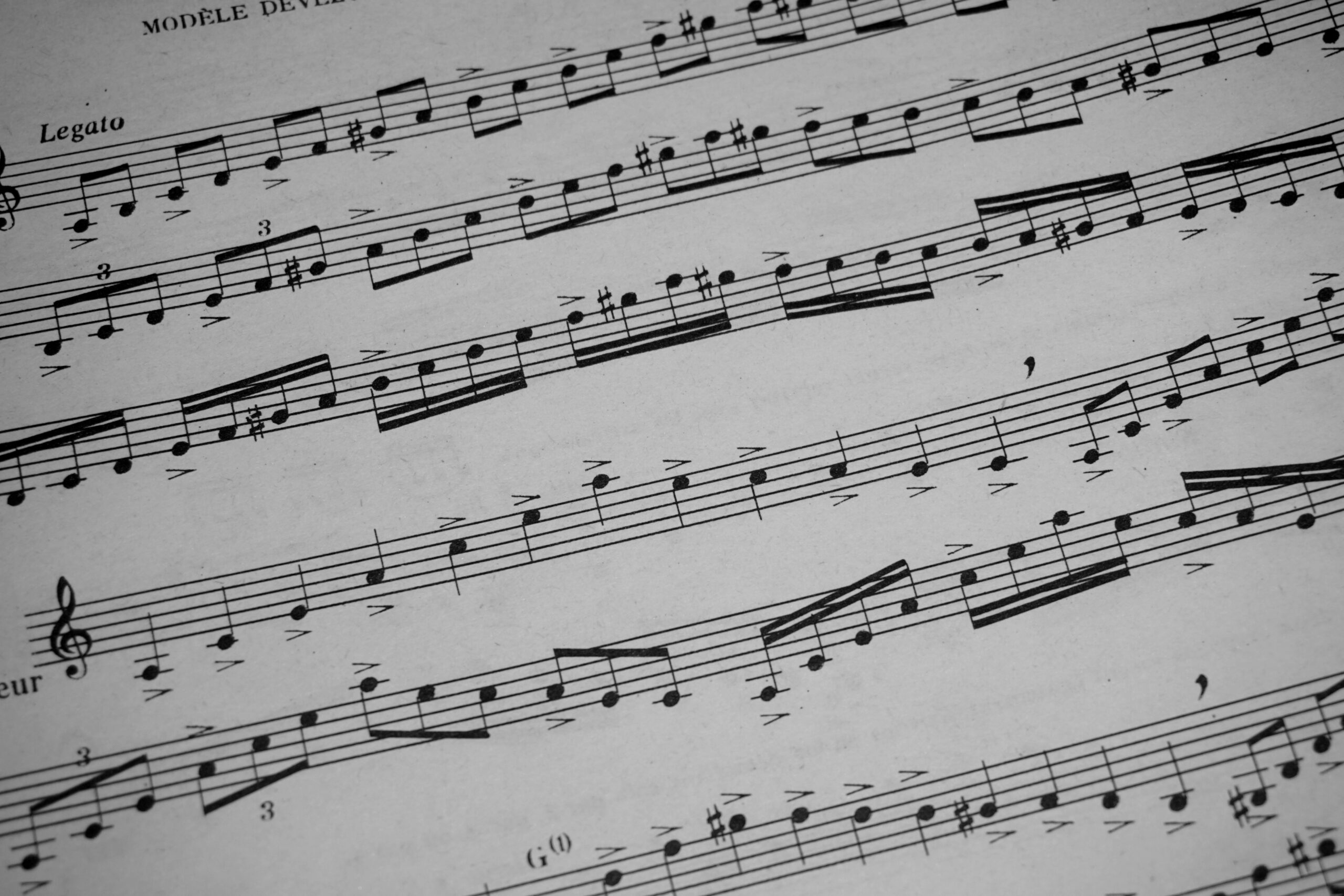
Standard accent marks appear as symbols above or below noteheads, indicating those notes should receive additional stress. The degree of emphasis varies based on musical context, with subtle accents adding gentle emphasis and strong accents creating dramatic punctuation.
Different Types of Accent Articulations
Musical notation includes several accent symbols, each communicating different types of emphasis. Understanding these distinctions helps musicians interpret composers’ intentions accurately.
| Accent Type | Symbol | Effect |
|---|---|---|
| Standard accent | > | Moderate emphasis with slightly louder volume |
| Marcato | ^ | Strong emphasis with forceful attack |
| Tenuto | — | Full note value with gentle stress |
| Staccato-accent | Combined symbols | Short, detached note with emphasis |
Each accent type requires different physical approaches. Standard accents involve slightly increased air pressure, bow weight, or finger force. Marcato accents demand more aggressive attacks with quick energy bursts. Tenuto accents emphasize sustain and fullness rather than sharp attack.
Practicing Accent Patterns Effectively
Developing consistent, controlled accents requires systematic practice that builds both technical precision and musical awareness. Random accent placement helps prevent mechanical, predictable phrasing.
Start with simple rhythmic patterns, placing accents on different beats to develop flexibility. Practice scales with varied accent patterns—every third note, syncopated rhythms, or changing patterns that challenge coordination. This prepares you for the diverse accent placements found in actual musical literature.
Combining Articulations for Musical Sophistication
While practicing articulations individually builds technical foundation, real musical expression emerges when combining these techniques within phrases and complete pieces. Professional musicians seamlessly blend staccato, legato, and accents, creating dynamic performances that captivate listeners.
Many musical passages require rapid articulation changes, sometimes within a single phrase. A melodic line might begin with gentle legato, transition to playful staccato, and conclude with an emphatic accent. Smooth execution of these combinations demonstrates advanced musicianship.
Strategic Articulation Practice Routines
Dedicate specific practice time to articulation development rather than only addressing it within repertoire. This focused approach accelerates improvement and builds reliable technical habits.
Structure daily warm-ups to include all three articulation types. Begin with long tones for legato awareness, progress to staccato scales for clarity and separation, then work on rhythmic patterns with varied accent placements. This systematic approach ensures balanced articulation development.
- Allocate 10-15 minutes daily specifically for articulation exercises
- Rotate emphasis between staccato, legato, and accents throughout the week
- Apply articulation focus to technical exercises like scales and arpeggios
- Choose etudes specifically designed to develop articulation skills
- Analyze repertoire pieces to identify articulation challenges before practicing
🎯 Articulation Drills for Specific Instruments
While articulation principles remain consistent across instruments, physical execution varies significantly. Tailoring practice approaches to your specific instrument’s mechanics optimizes skill development and prevents frustration from generic advice.
String Instrument Articulation Techniques
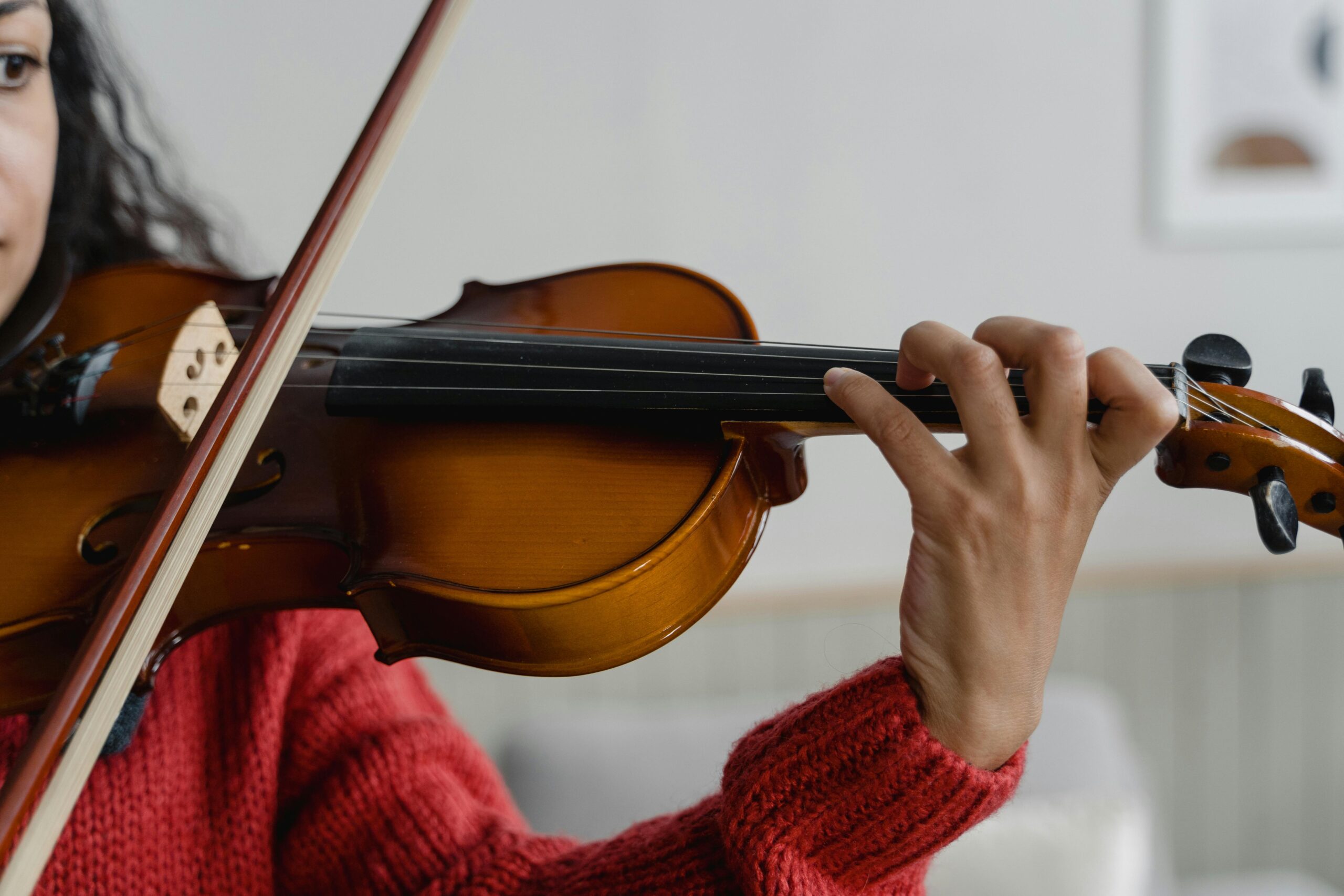
Violinists, violists, cellists, and bassists control articulation primarily through bow technique. Staccato requires short bow strokes with quick stops, often executed in the upper third of the bow. Legato demands smooth bow changes with consistent speed and pressure. Accents involve increased bow weight or faster bow speed at note attacks.
Practice separate bow strokes for clarity before attempting slurred articulations. Work on bow distribution to ensure consistent staccato note lengths. Develop seamless bow changes that eliminate audible bumps in legato passages.
Wind Instrument Articulation Approaches
Brass and woodwind players control articulation through tongue placement and air support coordination. Different syllables produce different articulation effects—”tu” for staccato clarity, “du” for smoter attacks, and continuous air with minimal tonguing for legato passages.
Practice tonguing exercises separate from pitch production to develop precision. Work on air consistency while varying articulation styles. Experiment with single, double, and triple tonguing techniques for rapid staccato passages.
Piano Articulation Control
Pianists face unique articulation challenges since they can’t sustain notes through continuous energy like wind or string players. Staccato involves quick key releases with light touch. Legato requires overlapping note releases and attacks, often enhanced with pedal technique. Accents demand faster key velocity with controlled force.
Focus on finger independence to control individual note articulations within chords. Practice hand position changes that maintain articulation consistency. Develop pedaling skills that support rather than replace finger legato.
Applying Articulation to Musical Interpretation
Technical articulation mastery serves musical expression goals. Understanding how articulation choices affect emotional communication helps musicians make informed interpretive decisions that honor composers’ intentions while adding personal artistry.
Different musical styles demand different articulation approaches. Baroque music typically features lighter, more detached articulations compared to Romantic repertoire’s sweeping legato lines. Jazz styles incorporate unique articulation patterns that define genre characteristics. Contemporary music often specifies unconventional articulations that create specific sonic effects.
Developing Your Articulation Voice
As technical skills solidify, musicians develop personal articulation tendencies that become part of their unique sound. This individuality should enhance rather than contradict musical style requirements.
Study recordings of respected performers to observe articulation choices in various musical contexts. Notice how different artists interpret the same passages with varied articulation nuances. This exposure broadens your interpretive palette and inspires creative articulation applications.
🎼 Troubleshooting Common Articulation Problems
Even experienced musicians encounter articulation challenges. Recognizing common issues and applying targeted solutions prevents frustration and accelerates improvement.
Inconsistent Articulation Clarity
When staccato notes sound uneven or legato connections break unexpectedly, the problem often stems from tension or insufficient technical control. Address this by reducing tempo, focusing on relaxation, and building endurance gradually through consistent practice.
Harsh or Aggressive Articulation
Overly forceful articulations create harsh, unmusical sounds. This typically results from excessive physical effort or misunderstanding articulation mechanics. Lighten your approach, focus on efficiency rather than force, and listen critically to tone quality throughout articulation changes.
Tempo-Related Articulation Breakdown
Articulation that sounds clear at slow tempos but deteriorates at performance speed indicates insufficient technical automation. Practice with gradual tempo increases, ensuring complete control at each speed before progressing. Use rhythmic variations to develop flexibility.
Creating Effective Practice Plans for Articulation Excellence
Systematic practice produces faster, more reliable results than random experimentation. Design practice sessions that balance articulation development with other musical goals, ensuring comprehensive skill advancement.
Begin each practice session with articulation-focused warm-ups before addressing repertoire. This prioritizes technical development when mental and physical energy are highest. Return to specific articulation challenges during later practice segments, reinforcing skills throughout your session.
Track your progress by recording regular practice sessions and performance attempts. Objective listening reveals improvement patterns and persistent challenges that subjective self-assessment might miss. Celebrate progress while maintaining awareness of areas requiring continued attention.
Performing with Articulation Confidence
Technical practice culminates in confident performance where articulation choices enhance musical communication without conscious thought. This automaticity develops through consistent, focused practice and performance experience.
Perform regularly in low-pressure situations before attempting high-stakes concerts. Practice performances for friends, family, or through recording sessions build comfort with articulation execution under mild stress. Gradually increase performance pressure as confidence grows.
During actual performances, trust your preparation rather than overthinking articulation details. Excessive conscious control creates tension and mechanical playing. Instead, focus on musical expression and emotional communication, allowing trained articulation skills to support your artistic vision naturally.
Remember that articulation mastery is an ongoing journey rather than a final destination. Even professional musicians continually refine these fundamental skills throughout their careers. Embrace this lifelong learning process, celebrating incremental improvements while maintaining curiosity about deeper expressive possibilities.
Your dedication to articulation excellence will transform not only your technical capabilities but also your capacity for genuine musical expression. As staccato, legato, and accent techniques become second nature, you’ll discover new dimensions of artistic communication that connect deeply with audiences and bring profound satisfaction to your musical journey. 🎶