Mastering a musical instrument requires more than just raw talent and dedication. Strategic planning of fingerings and hand positions transforms mediocre practice into exceptional performance preparation.

Every musician, from beginners to professionals, faces the challenge of developing efficient movement patterns that allow for fluid, accurate playing. The difference between a good musician and a great one often lies not in how much they practice, but in how intelligently they approach technical challenges. Understanding the principles of fingering selection and position planning can dramatically accelerate your progress while preventing the development of bad habits that plague many players for years.
🎯 Why Fingering Matters More Than You Think
Fingering choices determine the physical pathway your hands take across your instrument. Poor fingering decisions create unnecessary tension, limit speed potential, and introduce inconsistencies that undermine musical expression. When you select optimal fingerings, you’re essentially creating a roadmap that your muscle memory will follow thousands of times.
The biomechanics of hand movement favor certain patterns over others. Fingers have different lengths, strengths, and natural ranges of motion. Ignoring these physical realities leads to awkward stretches, weak articulation, and fatigue. Professional musicians spend considerable time analyzing fingering options before committing passages to memory, understanding that changing ingrained patterns later requires exponentially more effort than making wise choices initially.
The Foundation: Understanding Your Instrument’s Geography
Before diving into specific fingering strategies, you must develop intimate knowledge of your instrument’s layout. Pianists need to understand keyboard topography and the relationship between black and white keys. String players must master the fingerboard’s landscape across different positions. Wind instrumentalists should know every possible fingering combination and their tonal characteristics.
This geographical understanding extends beyond simple note locations. You need to recognize patterns, intervals, and scale structures as physical shapes rather than abstract musical concepts. When you see a musical passage, your mind should immediately translate it into a tactile roadmap showing exactly where your hands will travel.
Creating Your Mental Map
Developing this intuitive understanding requires deliberate practice away from your instrument. Visualization exercises strengthen the neural pathways connecting musical notation to physical movement. Close your eyes and imagine playing a familiar passage, feeling each finger placement without actually touching your instrument. This mental rehearsal reinforces the connection between visual input and motor output.
Strategic Principles for Fingering Selection
Several universal principles guide effective fingering choices across all instruments. Understanding these concepts allows you to make informed decisions rather than relying on trial and error or blindly following published fingerings that may not suit your physical characteristics.
Economy of Motion
Minimize unnecessary movement by selecting fingerings that keep your hand in stable positions. Large jumps and excessive shifting waste time and introduce opportunities for error. When possible, choose fingerings that allow you to play multiple notes without changing hand position. This principle becomes especially critical in faster passages where every millisecond counts.
Finger Strength Distribution
Your fingers possess different inherent strengths. Generally, thumbs, index, and middle fingers are stronger than ring and pinky fingers. Strategic fingering assigns technically demanding notes to your stronger digits while reserving weaker fingers for easier passages or lighter accompaniment figures.
However, this doesn’t mean avoiding your weaker fingers. Thoughtful practice actually strengthens them over time. The key is distributing the workload intelligently during initial learning phases and gradually building capacity in less developed fingers through targeted exercises.
Musical Phrasing Alignment
Fingerings should support, not hinder, musical expression. Natural hand movements align with phrase shapes, allowing dynamic nuances and articulation to emerge organically. When fingerings fight against musical intentions, performances sound mechanical and forced regardless of technical accuracy.
Consider how your chosen fingering affects legato connections, accent placement, and dynamic shading. Sometimes a technically “easier” fingering creates musical problems that make a slightly more challenging option the better choice.
Position Planning: The Big Picture Approach
While individual fingering choices matter, position planning provides the strategic framework within which those choices operate. This involves analyzing entire musical sections to determine optimal hand positions and the most efficient transitions between them.
Think of position planning as choreography for your hands. Just as dancers plan their movements across a stage, musicians must choreograph hand movements across their instrument’s range. This planning identifies potential bottlenecks, awkward transitions, and opportunities for simplification.
Analyzing Musical Passages
Begin by identifying anchor points—notes or chords that naturally dictate hand position. These landmarks serve as reference points around which other notes organize themselves. Mark these positions in your score, then work backward and forward from each anchor to determine the most logical path connecting them.
Look for patterns that repeat or sequences that follow predictable progressions. Recognizing these structures allows you to apply consistent fingering patterns, reducing cognitive load and increasing reliability. Your hands learn the pattern once and apply it multiple times rather than treating each iteration as a unique challenge.
🎹 Instrument-Specific Strategies
While general principles apply universally, each instrument family presents unique challenges requiring specialized approaches to fingering and position planning.
Piano and Keyboard Instruments
Pianists must consider hand size, finger span, and the relationship between hands when selecting fingerings. Scale fingerings form the foundation, with standard patterns for major and minor scales serving as templates for countless musical passages. Understanding when to deviate from these standards—such as using thumb on black keys or employing finger substitution—separates competent players from virtuosos.
Position planning for pianists involves managing the three-dimensional space above the keyboard. Proper arm weight, wrist flexibility, and forearm rotation all contribute to effortless technique. Planning these movements eliminates unnecessary tension and prevents repetitive strain injuries that sideline many pianists.
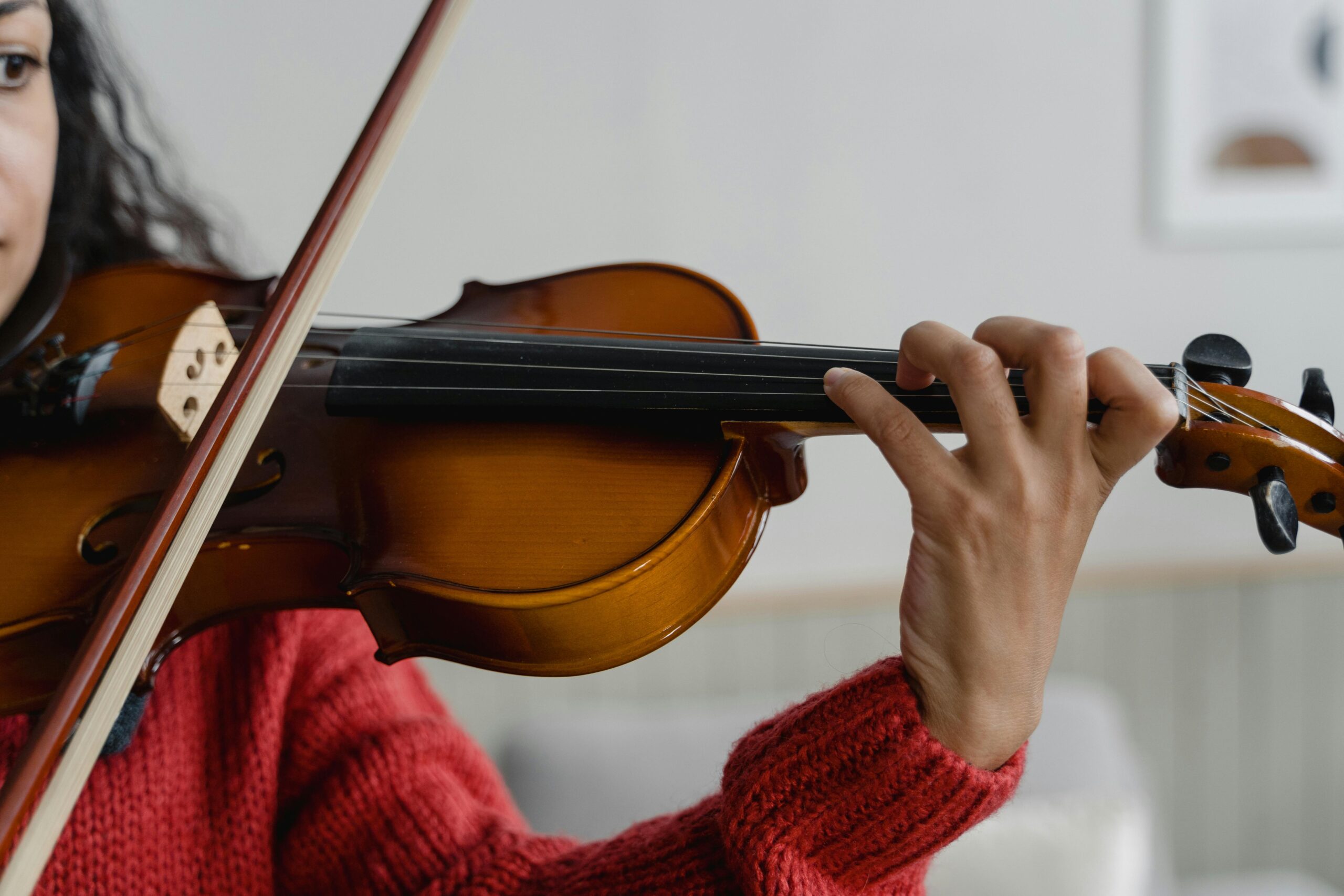
String Instruments
String players face decisions about which string to play each note, which position to use, and when to shift positions. String choice affects tone color, with the same pitch sounding darker on lower strings and brighter on higher ones. Musical context dictates these choices as much as technical convenience.
Position shifting requires careful planning to occur during musical moments where small breaks in sound won’t disrupt phrasing. Skilled string players plan shifts during rests, on open strings, or during notes that naturally allow brief interruptions. They also consider whether to shift during a note (portamento) or between notes for different musical effects.
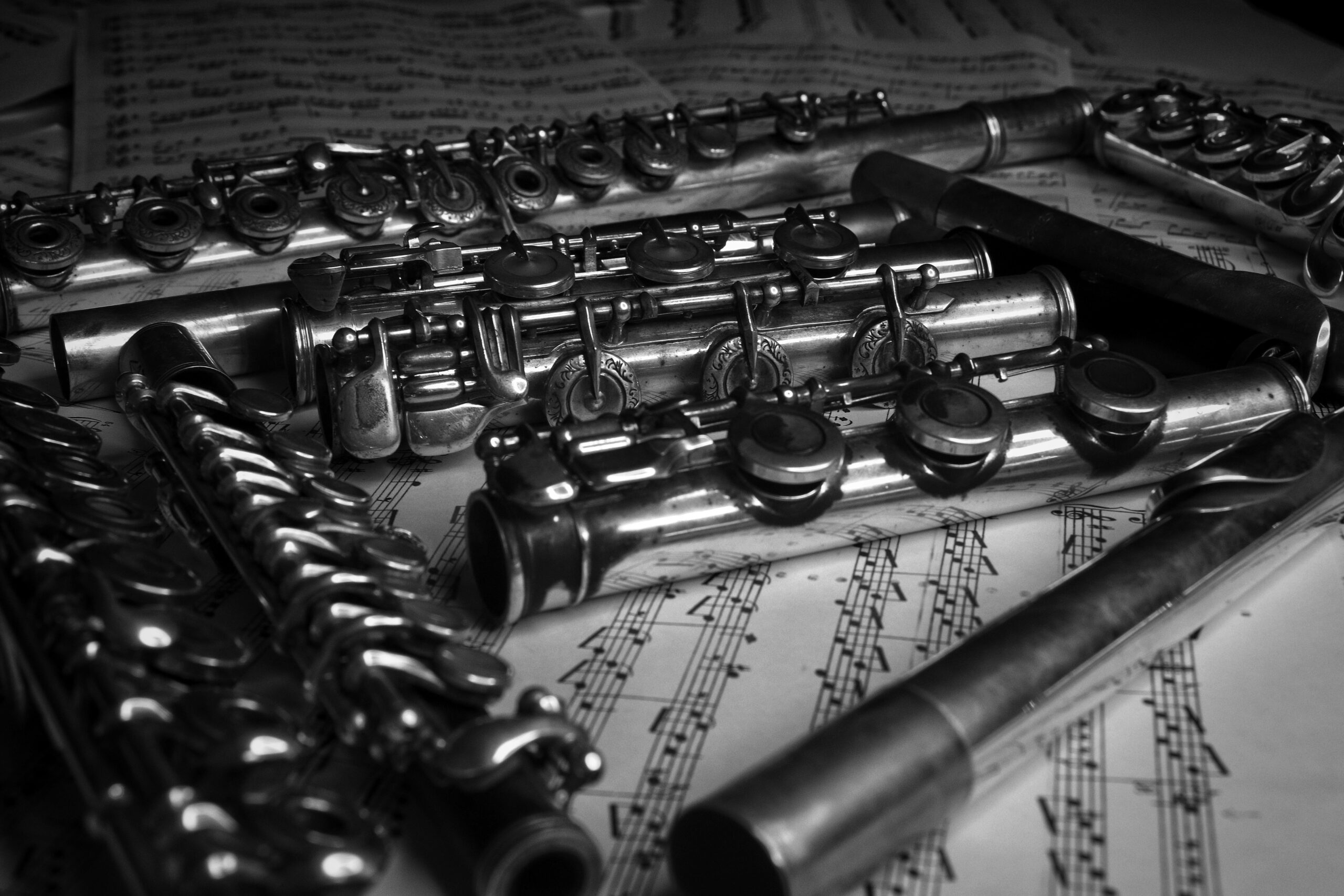
Wind Instruments
Wind instrumentalists must balance standard fingerings with alternative options that offer different tonal qualities, intonation adjustments, or technical advantages. Trill fingerings, harmonic fingerings, and resonance fingerings expand the player’s toolkit beyond basic note production.
Position planning for wind players involves managing breathing points, embouchure adjustments, and the physical coordination of keys and valves. Strategic planning ensures sufficient air supply throughout phrases while maintaining technical control.
Developing Your Personal System
Published fingerings provide excellent starting points, but optimal choices vary based on individual hand size, strength, flexibility, and musical interpretation. Developing your personal fingering system requires experimentation, documentation, and refinement over time.
The Experimentation Phase
When learning new repertoire, resist the urge to settle on the first fingering that works. Try multiple options, even if they initially feel awkward. What seems difficult at first often becomes easier with repetition, while seemingly easy options may create problems at higher speeds or in performance stress conditions.
Record yourself playing passages with different fingering choices. Objective listening reveals technical and musical differences you might miss during the physical act of playing. Pay attention to evenness, tone quality, dynamic control, and overall fluidity.
Documentation and Consistency
Once you’ve selected fingerings, mark them clearly in your score. Consistency is crucial—changing fingerings between practice sessions undermines muscle memory development. Use pencil initially, allowing adjustments during early learning stages, but commit to final choices relatively quickly.
Create a personal reference library documenting fingering solutions for common patterns and technical challenges. This resource accelerates learning new pieces by providing proven solutions to recurring problems.
Practice Techniques for Mastering Fingerings
Knowing optimal fingerings means little without deliberate practice methods that ingrain these patterns into reliable muscle memory. Effective practice transforms conscious fingering decisions into automatic, subconscious execution.
Slow Practice with Mental Focus
Begin at tempos where you can maintain perfect accuracy while consciously focusing on each finger movement. This isn’t mindless repetition—you’re actively programming your neuromuscular system. Feel each finger placement, notice the sensation of keys, strings, or holes under your fingertips, and maintain awareness of your hand’s overall position.
Gradually increase speed only when slower tempos feel completely automatic. Rushing this process builds shaky foundations that crumble under performance pressure. Patience during initial learning saves enormous time correcting problems later.
Isolation and Integration
Practice difficult transitions in isolation, repeating them until smooth. Then gradually expand context, adding notes before and after the trouble spot until you can play extended passages seamlessly. This zooming in and out technique addresses specific problems without neglecting overall musical continuity.
Varied Rhythms and Articulations
Practice fingering patterns using different rhythmic groupings and articulation styles. Playing the same notes with varied accents, staccato, legato, and dynamic levels strengthens finger control and reveals weaknesses masked by uniform practice. This variation also maintains mental engagement during repetitive practice.
📱 Technology and Practice Tools
Modern technology offers valuable tools for analyzing and practicing fingerings. Slow-down software allows you to hear recordings at reduced speeds without pitch changes, revealing fingering patterns used by professional performers. Video recording capabilities let you analyze your own hand positions and movements objectively.
Metronome apps with advanced features help structure progressive tempo increases systematically. Some apps include practice tracking features that monitor your progress over time, providing motivation and identifying areas needing additional attention.
Common Fingering Mistakes and How to Avoid Them
Even experienced musicians fall into fingering traps that limit their progress. Recognizing these common errors helps you avoid them in your own practice.
The Comfort Zone Trap
Defaulting to familiar fingerings even when they’re suboptimal for specific passages limits your technical vocabulary. Challenge yourself to explore unfamiliar positions and fingering patterns. Expanding your comfort zone opens new possibilities for musical expression and technical ease.
Ignoring Physical Feedback
Pain, tension, and fatigue signal biomechanical problems that fingering adjustments can often resolve. Never push through persistent discomfort—it indicates your approach needs revision. Listen to your body and make changes before minor issues become chronic injuries.
Changing Fingerings Too Frequently
While experimentation is valuable, constantly changing fingerings prevents muscle memory consolidation. Once you’ve made informed decisions, commit to them long enough to truly evaluate their effectiveness. Premature changes restart the learning process unnecessarily.
Bringing It All Together: Integration into Musical Performance
The ultimate goal of fingering and position planning isn’t technical perfection for its own sake—it’s creating conditions where musical expression flows naturally. When technical execution becomes automatic, your conscious mind is free to focus on interpretation, emotional communication, and connecting with your audience.
Well-planned fingerings disappear from your awareness during performance. You’re not thinking about which finger goes where; you’re feeling the music’s emotional arc and shaping sound to communicate that feeling. This is the paradox of technique—we must obsess over details during practice so we can forget them during performance.
Creating Sustainable Practice Habits
Long-term musical development requires sustainable practice habits that prevent burnout while ensuring steady progress. Intelligent fingering and position planning contribute significantly to practice efficiency, allowing you to accomplish more in less time with reduced physical strain.
Structure practice sessions to include varied activities—technical work, repertoire learning, sight-reading, and creative exploration. This variety maintains mental freshness while developing different skill sets. Dedicate specific time to fingering analysis and position planning rather than treating it as an afterthought.
The Twenty-Minute Rule
When working on particularly challenging passages, limit intensive focus to twenty-minute blocks followed by brief breaks. This prevents mental fatigue and physical tension from accumulating. During breaks, step away from your instrument, stretch, and allow your mind to process what you’ve practiced. Often, the most significant breakthroughs occur during these rest periods as your brain consolidates new motor patterns.
Advancing Your Skills: Continuous Improvement
Even after mastering basic fingering principles, continuous refinement keeps your skills sharp and expanding. As you tackle more complex repertoire, you’ll encounter new technical challenges requiring creative fingering solutions. View these challenges as opportunities for growth rather than obstacles.
Study recordings and videos of master performers, paying close attention to their hand positions and movements. While you can’t always see exact fingerings, observing their overall approach provides valuable insights. Attend live performances when possible—there’s no substitute for seeing skilled hands in action from close proximity.
Seek feedback from teachers, mentors, and fellow musicians. Fresh perspectives often reveal blind spots in your technique that you’ve stopped noticing. Regular lessons or masterclasses provide accountability and structured guidance for continuing development.

🎵 Your Journey to Mastery Continues
Mastering fingerings and position planning is not a destination but an ongoing journey. Each piece you learn presents new puzzles to solve, each technical challenge offers opportunities to refine your approach. The principles outlined here provide a framework, but your personal experience practicing and performing transforms these concepts into lived expertise.
Remember that every expert musician once struggled with these same challenges. What separates them is not innate talent but systematic, thoughtful practice guided by clear principles. Your willingness to engage deeply with fingering and position planning demonstrates the serious commitment that leads to genuine mastery.
Start today by analyzing one passage in your current repertoire. Apply the principles discussed here, experiment with different options, and commit to optimal choices. Document your decisions and practice them with focused attention. This single passage becomes a template for approaching countless future challenges. Each small victory builds momentum, and gradually, what once required intense concentration becomes second nature. Your hands will move with increasing confidence and precision, and your musical voice will emerge with clarity and power.