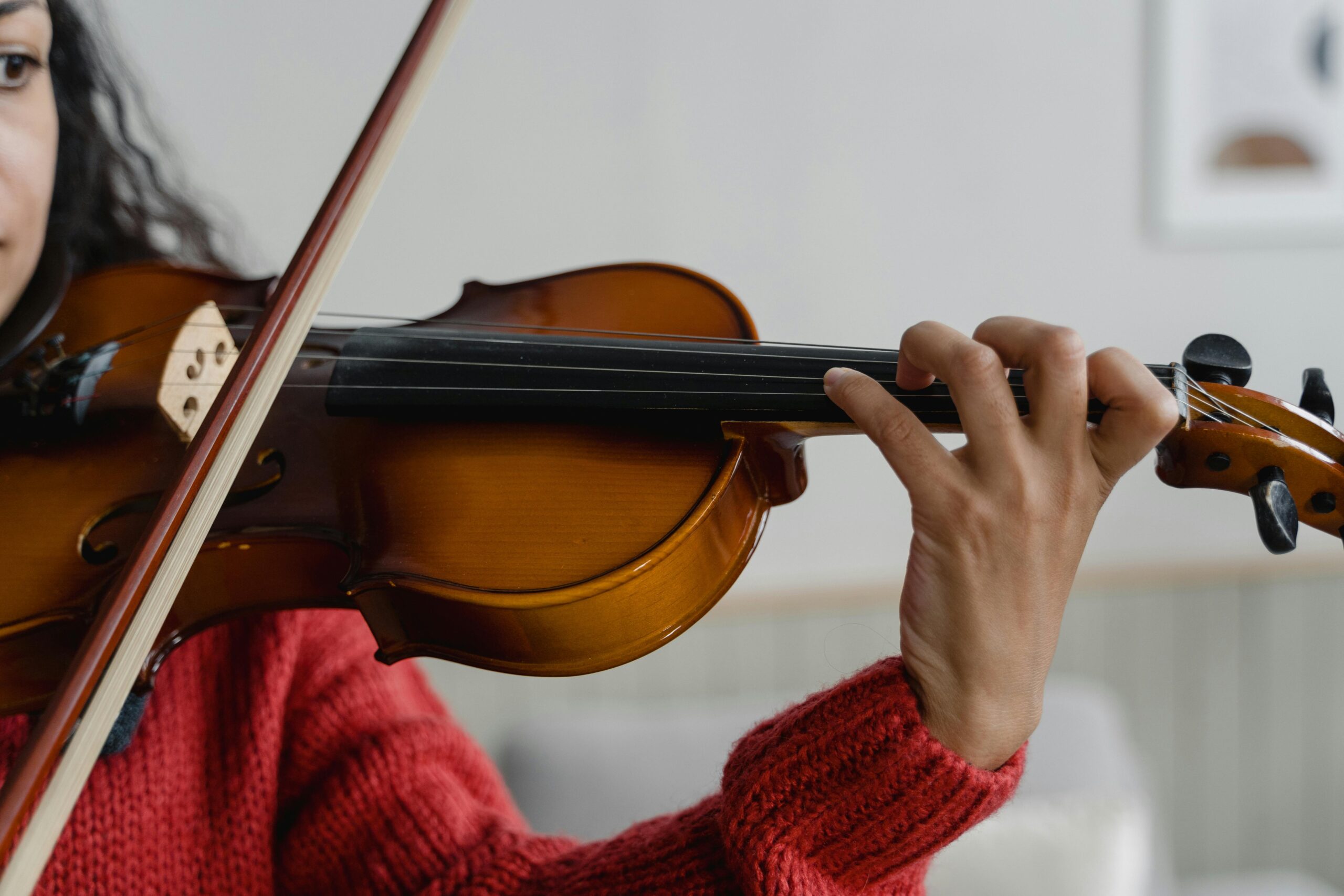
Learning new music can feel overwhelming, but with the right approach, you can transform your practice sessions into productive, efficient experiences that accelerate your progress and boost performance confidence.

Whether you’re a classical pianist tackling complex repertoire, a guitarist learning intricate solos, or a vocalist preparing for an audition, structured study templates provide the framework you need to master challenging pieces faster. These innovative approaches combine traditional learning methods with modern practice strategies, helping musicians at all levels achieve better results in less time.
🎵 Why Traditional Practice Methods Often Fall Short
Many musicians approach new pieces by simply playing through them repeatedly, hoping repetition alone will lead to mastery. This method, while familiar, often results in ingrained mistakes, uneven progress, and frustration. Without a systematic approach, you might find yourself practicing the sections you already know well while avoiding the difficult passages that need the most attention.
Research in music pedagogy shows that deliberate, structured practice significantly outperforms mindless repetition. By implementing proven song study templates, you create a roadmap that guides your learning journey from initial sight-reading through polished performance. These frameworks help you identify problem areas, track progress, and maintain motivation throughout the learning process.
The Foundation: Initial Assessment and Goal Setting
Before diving into a new piece, take time to assess what you’re working with and establish clear objectives. This foundational step prevents wasted effort and sets you up for success from the beginning.
Score Analysis Before Playing
Start by examining the music without your instrument. Look at the key signature, time signature, tempo markings, and overall structure. Identify repeated sections, challenging passages, and unfamiliar notations. This intellectual engagement with the piece creates a mental framework that supports faster learning once you begin playing.
Note the dynamics, articulations, and phrasing indications. Understanding the composer’s intentions before you play helps you avoid learning pieces incorrectly and then having to unlearn bad habits later. This preliminary analysis takes only 10-15 minutes but can save hours of corrective practice.
Setting SMART Practice Goals
Establish Specific, Measurable, Achievable, Relevant, and Time-bound goals for each piece you learn. Instead of vague objectives like “get better at this song,” set precise targets such as “perform the first page at 80 BPM with no mistakes by Friday.” This clarity transforms your practice from hopeful repetition into purposeful progress.
📋 The Progressive Learning Template
This comprehensive template breaks down the learning process into distinct phases, each with specific objectives and techniques. Following this structure ensures you build solid foundations before adding complexity.
Phase 1: Slow and Accurate Learning
Begin at a tempo slow enough that you can play accurately without tension. This might be 40-50% of the final tempo for challenging pieces. Focus exclusively on correct notes, rhythm, and fingering during this phase. Resist the urge to speed up until accuracy is consistent.
Divide the piece into manageable sections of 2-4 measures. Master each section individually before connecting them. Use a practice journal to track which sections you’ve solidified and which need additional work. This systematic approach prevents the common mistake of repeatedly practicing the entire piece while specific trouble spots remain unresolved.
Phase 2: Musical Elements Integration
Once you can play the notes accurately at a slow tempo, gradually introduce musical elements. Add dynamics first, ensuring your volume changes don’t disrupt your technical accuracy. Then incorporate articulation details, phrasing, and tone quality.
During this phase, record yourself regularly. Listening objectively to your playing reveals issues you can’t hear while concentrating on performance. Compare your recordings to professional interpretations, noting differences in tempo, dynamics, and expression. These comparisons provide valuable insights for refinement.
Phase 3: Tempo Building and Solidification
Increase the tempo gradually using a metronome. A good rule of thumb is to raise the BPM by 4-8 clicks only after you can play through the section three times consecutively without errors. This patient approach builds genuine mastery rather than shaky, unreliable performance.
Practice problem passages at various tempos, not just slow and fast. Working at medium speeds helps bridge the gap and exposes coordination issues that might not appear at extreme tempos. If you encounter consistent difficulties at specific speeds, that’s your signal to spend extra time at those tempos.
🎯 The Targeted Practice Template for Problem Sections
Even with systematic learning, certain passages will require extra attention. This specialized template helps you conquer the sections that seem impossible at first glance.
Isolation and Simplification Strategies
Extract the difficult passage and practice it in isolation. Then simplify it by removing one element at a time. For example, practice just the rhythm while holding a single note, or play just the melodic contour while ignoring rhythm. These simplified versions help your brain understand the underlying patterns.
Break complex passages into tiny fragments of just 3-5 notes. Master these micro-sections perfectly, then gradually overlap them until the entire passage flows smoothly. This molecular approach might seem tedious, but it’s remarkably effective for sections that resist traditional practice methods.
The Loop and Link Method
Practice difficult sections using loops: play the challenging measure, return to the beginning, and play it again. Repeat this 10-20 times, focusing on smooth, accurate execution. Then “link” this section to the surrounding music, ensuring transitions are seamless.
Vary your practice by starting from different points within the difficult passage. If you always begin at the same place, you create a dependency on that specific entry point. Practicing from multiple starting positions builds true fluency and prepares you for performance situations where you might need to jump in mid-phrase.
The Performance Preparation Template
Learning the notes is only half the journey. Preparing for reliable, confident performance requires specific strategies that simulate performance conditions and build mental resilience.
Mock Performance Sessions
Schedule regular mock performances where you play through the entire piece without stopping, regardless of mistakes. These sessions reveal which sections hold up under performance pressure and which crumble when you can’t stop to correct errors.
Invite friends or family to listen, or record video performances. The presence of an audience, even a small or virtual one, changes the psychological landscape and helps you develop the concentration skills needed for actual performances. Gradually increase the formality of these sessions as your performance date approaches.
Mental Practice and Visualization
Mental rehearsal is a powerful tool that professional musicians use extensively. Sit quietly and visualize yourself performing the piece perfectly, hearing the music in your mind while imagining the physical movements required. This mental practice strengthens neural pathways without physical fatigue and can be done anywhere.
Practice recovery strategies by intentionally making mistakes during mock performances, then continuing smoothly. This prepares you for the inevitable slips that occur in live settings and builds confidence that a single error won’t derail your entire performance.
📊 Tracking Progress: The Practice Journal Template
Documentation transforms scattered practice sessions into a cohesive learning journey. A well-maintained practice journal provides accountability, reveals patterns, and celebrates progress that might otherwise go unnoticed.
Essential Journal Components
Record the date, duration, and focus of each practice session. Note specific sections worked on, tempos achieved, and particular challenges encountered. Include brief observations about what worked well and what needs different approaches.
Use a simple rating system to track your confidence level with different sections. For example, rate each section from 1-5, with 1 being “cannot play” and 5 being “performance ready.” This quantitative data helps you allocate practice time effectively and provides motivating evidence of improvement over time.
Weekly Review and Planning
Dedicate time each week to review your journal entries and plan the coming week’s focus. Identify sections that aren’t progressing and brainstorm new approaches. Celebrate sections that have reached performance readiness and determine if they need maintenance practice or if you can shift attention elsewhere.
This reflective practice develops metacognitive skills—the ability to think about your own learning process—which enhances your effectiveness as a self-directed musician. Over time, you’ll recognize your personal learning patterns and develop strategies tailored to your unique needs.
Technology-Enhanced Learning Templates
Modern technology offers powerful tools that can supercharge your practice efficiency. Integrating these resources into your study templates provides advantages previous generations of musicians never had.
Digital Tools for Practice Management
Practice apps help you organize repertoire, set reminders, and track time spent on different pieces. Some applications include built-in metronomes, tuners, and recording capabilities, consolidating multiple tools into one platform. These features eliminate excuses and streamline your practice setup.
Slow-down apps let you reduce the tempo of recordings without changing pitch, allowing you to practice along with professional performances at your current ability level. This technique combines the benefits of slow practice with the inspiration of hearing the piece played beautifully, keeping your artistic vision clear while building technical skills.
Video Analysis and Feedback
Recording video of your practice sessions provides visual feedback about your posture, hand position, and physical tension. Many technical problems have visible causes that you can only identify by watching yourself play. Review these videos with a critical but compassionate eye, noting areas for technical improvement.
Share videos with teachers or online communities for external feedback. Fresh perspectives often identify issues you’ve become blind to and suggest solutions you hadn’t considered. This collaborative approach to learning accelerates progress and prevents the isolation that home practice can sometimes create.
🎼 Genre-Specific Template Adaptations
While the fundamental principles of effective practice apply across musical styles, different genres benefit from specialized approaches that honor their unique characteristics and performance contexts.
Classical Music: Authenticity and Interpretation
Classical musicians benefit from studying multiple recordings to understand different interpretive approaches. Create a comparison chart noting tempo choices, dynamic contrasts, and phrasing decisions across several performances. This research informs your own interpretive choices and deepens your understanding of the piece.
Historical context matters significantly in classical performance. Research the composer’s life, the piece’s premiere circumstances, and period performance practices. This knowledge influences your articulation choices, tempo flexibility, and overall approach to the music.
Jazz and Popular Music: Improvisation and Style
For jazz standards and popular songs, focus on internalizing chord progressions and melodic frameworks rather than exact note-for-note replication. Practice the head melody until it’s solid, then work on improvisation over the chord changes, gradually expanding your harmonic vocabulary.
Transcribe solos from recordings you admire. This time-intensive process dramatically improves your ear, expands your improvisational vocabulary, and teaches you how great musicians construct meaningful solos. Even transcribing just one chorus provides valuable learning that transfers to other pieces.
Contemporary and Experimental Music: New Notation and Techniques
Modern compositions often use extended techniques and non-traditional notation. Create a reference document explaining each symbol and technique before attempting to play the piece. Practice these techniques in isolation until they feel natural, then integrate them into the musical context.
Contemporary pieces may lack the interpretive tradition found in standard repertoire. Contact the composer if possible for insights about their intentions, or research interviews and program notes that illuminate the work’s conceptual framework.
Collaborative Practice Templates for Ensemble Music
Learning music meant for ensemble performance requires additional strategies beyond solo practice. These templates help you prepare individually while developing the skills needed for successful collaboration.
Individual Preparation for Group Success
Over-prepare your individual part so you can devote mental energy to listening and responding during rehearsals. Practice with a metronome to develop rock-solid rhythm, as ensemble timing issues often stem from individuals who haven’t internalized steady pulse independently.
Record the other parts or find recordings to practice with. This simulated ensemble experience helps you understand how your part fits into the larger texture and identifies potential balance or rhythm issues before group rehearsals. Mark your score with entrances and important cues from other parts.
Productive Rehearsal Strategies
During rehearsals, take detailed notes about tempo agreements, dynamic balance adjustments, and interpretive decisions. Review these notes before the next rehearsal to ensure consistency. This documentation prevents the frustration of repeatedly addressing the same issues because everyone forgot the previous week’s decisions.
Record rehearsals and listen critically afterward. Ensemble problems often sound different from within the group than from the audience perspective. These recordings reveal balance issues, intonation problems, and rhythmic inconsistencies that need attention in individual practice before the next rehearsal.
Maintaining Repertoire: The Long-Term Retention Template
After investing significant time mastering a piece, you want to retain it in your active repertoire. Without maintenance practice, even well-learned music fades surprisingly quickly. This template helps you keep pieces performance-ready with minimal time investment.
Strategic Repertoire Rotation
Create a rotation schedule that cycles through your repertoire systematically. Divide your pieces into categories based on how recently you’ve performed them. Current pieces receive daily attention, recent pieces get reviewed weekly, and older repertoire cycles through monthly.
A brief 10-15 minute review is often sufficient to maintain a well-learned piece. Focus on the technically demanding sections and any passages that historically cause problems. This targeted maintenance prevents the heartbreak of discovering a week before a performance that a piece you “knew” has deteriorated.
Deep Maintenance Sessions
Schedule quarterly deep-dive sessions with each piece in your repertoire. During these longer practice periods, revisit the piece with fresh ears and more advanced skills. You’ll often discover new interpretive possibilities and technical refinements that weren’t accessible when you first learned the music.
This ongoing relationship with repertoire transforms you from someone who learns pieces to someone who truly owns them. The depth of understanding that develops through repeated engagement over months or years produces performances with genuine authority and personal connection.
🌟 Personalizing Your Practice Templates
While these templates provide proven frameworks, the most effective practice system is one adapted to your unique learning style, schedule, and musical goals. Experiment with these approaches and modify them based on what produces results for you.
Some musicians thrive with highly structured, time-blocked practice sessions, while others prefer more fluid approaches that respond to daily energy and interest levels. Some need visual organization through color-coded scores and charts, while others prefer minimal written materials. Honor your preferences while remaining open to strategies that initially feel uncomfortable but prove effective.
Track which techniques accelerate your progress and which consume time without proportional results. Gradually build a personalized practice system that draws on the best elements from various templates while eliminating approaches that don’t serve your learning.
Overcoming Common Practice Obstacles
Even with excellent templates, every musician encounters challenges that can derail progress. Anticipating these obstacles and having strategies ready helps you maintain consistency.
The Plateau Problem
Plateaus are normal parts of skill development where progress seems to stall despite consistent effort. When you hit a plateau, resist the urge to practice more intensely. Instead, change your approach: alter your practice environment, switch to a different piece temporarily, or focus on a different aspect of musicianship.
Often, plateaus precede breakthroughs. Your brain needs time to consolidate complex learning, and progress sometimes happens beneath conscious awareness before suddenly becoming apparent. Trust the process and maintain consistent practice even when immediate results aren’t visible.
Time Management and Consistency
Finding practice time is challenging for busy musicians. Rather than waiting for perfect 90-minute blocks, embrace shorter, focused sessions. Twenty minutes of concentrated, template-guided practice beats an hour of unfocused noodling. Schedule practice appointments with yourself and treat them as non-negotiable commitments.
Build streaks by practicing daily, even if briefly. Consistency matters more than duration for skill development. The cumulative effect of regular practice compounds over time, producing results that sporadic marathon sessions cannot achieve.

From Practice Room to Performance Stage
Ultimately, these innovative song study templates serve one purpose: helping you deliver confident, expressive performances that connect with audiences. The systematic preparation they provide creates the technical security that allows artistry to flourish.
As you develop facility with these templates, you’ll notice your learning speed increasing and your performance confidence growing. Pieces that once seemed impossibly difficult become achievable challenges. Your practice becomes more efficient and enjoyable, transforming from obligation to opportunity.
Remember that mastery is a journey rather than a destination. Each piece you learn using these structured approaches builds not just repertoire but also your skills as a self-directed learner. These meta-learning abilities—knowing how to learn—ultimately matter more than any single piece you master.
Embrace these innovative study templates as tools that empower your musical growth. Adapt them thoughtfully, apply them consistently, and watch as your ability to master new music faster transforms your practice sessions and elevates your performances to new heights. The path from struggling beginner to confident performer becomes clearer when you have proven frameworks guiding each step of your journey. 🎶