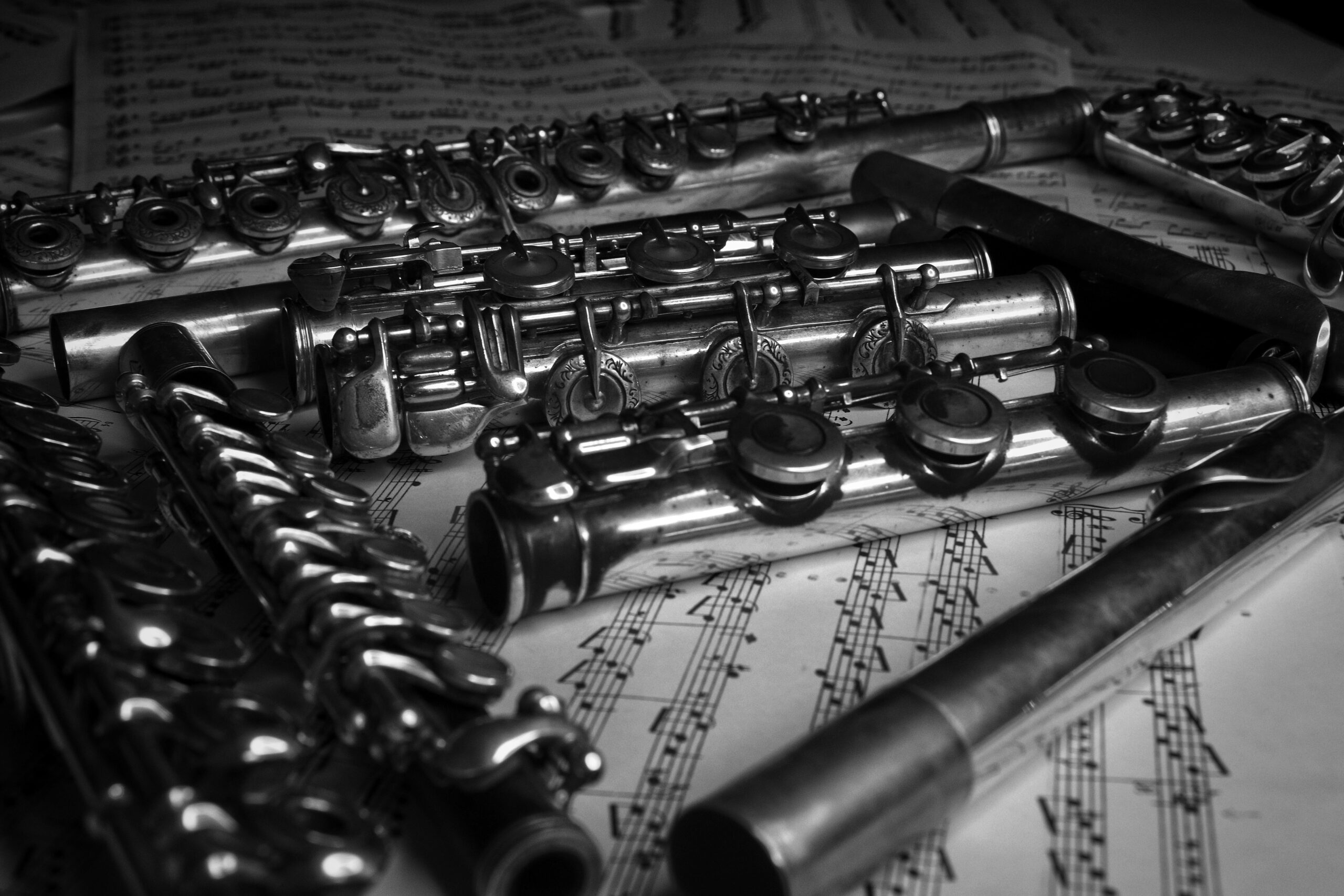
Musical expression transforms mechanical playing into art. Whether you’re a developing musician or refining your craft, mastering dynamics, articulation, and phrasing will unlock emotional depth in your performances.

The journey from playing notes correctly to truly expressing music is one of the most rewarding transitions in a musician’s development. At the intermediate level, you’ve already conquered basic techniques and can navigate your instrument with reasonable confidence. Now comes the exciting challenge: breathing life into those notes, creating phrases that speak, and communicating emotions that resonate with your audience. This transformation requires understanding and implementing three fundamental pillars of musical expression—dynamics, articulation, and phrasing.
🎵 Understanding the Foundation of Musical Expression
Before diving into specific techniques, it’s essential to recognize what sets expressive playing apart from merely accurate performance. Think of it this way: anyone can read words from a page, but a skilled actor brings those words to life through vocal inflection, timing, and emotional connection. The same principle applies to music. Your instrument is your voice, and the score is your script.
Intermediate musicians often find themselves at a crossroads. Technical proficiency has been achieved to some degree, but performances may still sound flat or mechanical. This is precisely where focused work on expression becomes transformative. The good news? These skills are entirely learnable and don’t require exceptional talent—just deliberate practice and musical awareness.
The Power of Dynamics: Painting with Volume
Dynamics refer to the volume variations in music, ranging from the softest whisper (pianissimo) to the most powerful fortissimo. However, dynamics are far more nuanced than simply playing loud or soft. They create architectural structure in music, guiding listeners through emotional landscapes and providing contrast that maintains engagement.
Moving Beyond Basic Dynamic Markings
Most intermediate players can identify and attempt dynamic markings like piano (p) and forte (f). The real artistry, however, lies in the transitions between these states. A crescendo isn’t just “getting louder”—it’s a controlled journey with purpose and direction. Similarly, a diminuendo requires careful calibration to maintain tone quality while reducing volume.
Practice implementing gradual dynamic changes by dividing them into incremental steps. For a four-measure crescendo from piano to forte, imagine six or seven distinct volume levels rather than one continuous sweep. This approach gives you waypoints to ensure the growth is steady and compelling. Record yourself and listen critically—does the crescendo build tension effectively, or does it plateau midway?
Terraced Dynamics and Natural Shaping
Not all dynamic changes are marked in the score. Developing musicians should cultivate sensitivity to natural dynamic shaping within phrases. Generally, musical lines tend to grow slightly as they ascend and diminish as they descend. Longer notes often benefit from subtle swells (messa di voce), while repeated notes can gain interest through varied dynamic treatment.
Experiment with terraced dynamics—sudden volume shifts rather than gradual changes. Baroque music particularly benefits from this approach, where echo effects and contrasting sections create dialogue between musical ideas. This technique adds clarity to polyphonic textures and highlights structural elements in the composition.
Articulation: The Vocabulary of Musical Speech
If dynamics are the volume knob of musical expression, articulation is the pronunciation. It determines how individual notes begin, sustain, and end. Clean articulation brings clarity to rapid passages, while varied articulation adds color and character to melodic lines.
Exploring the Articulation Spectrum 🎼
Intermediate players should expand beyond simple legato and staccato to explore the full articulation palette:
- Legato: Smooth, connected notes that flow seamlessly into one another, requiring careful attention to transitions
- Staccato: Short, detached notes with clear separation, though the degree of shortness varies by musical context
- Tenuto: Held notes receiving their full value with slight emphasis, creating weight without harshness
- Marcato: Notes with strong attack and emphasis, providing accent and drive
- Portato: A hybrid between legato and staccato, with gentle separation but some connection
- Accent: Emphasis on specific notes, creating rhythmic interest and highlighting structural points
Consistency and Intentionality in Articulation
One hallmark of intermediate-level playing that needs refinement is inconsistent articulation. Staccato notes may vary wildly in length, or legato passages include unintentional breaks. Develop consistency by practicing with a metronome and recording device, ensuring that your articulation choices are deliberate rather than accidental.
Consider the musical context when choosing articulations. A staccato marking in a playful Mozart allegro sounds very different from staccato in a dramatic Beethoven passage. The former might be light and bouncy, while the latter could be more forceful and separated. Train your musical intuition by listening extensively to professional recordings, noting how master performers interpret articulation markings.
The Art of Musical Phrasing: Creating Narrative Flow
Phrasing is perhaps the most sophisticated element of musical expression. It involves grouping notes into meaningful units—musical sentences—that have direction, shape, and purpose. Like spoken language, musical phrases have beginnings that introduce ideas, middles that develop them, and endings that provide resolution or transition.
Identifying Phrase Structures
Before you can shape a phrase expressively, you must recognize where phrases begin and end. Look for melodic contours, harmonic progressions, rhythmic patterns, and breathing marks (for wind instruments) or slur markings. Most Classical and Romantic era music organizes into symmetrical phrases—often four or eight measures—though exceptions abound.
Mark phrase boundaries in your music with brackets or curved lines above the staff. This visual reminder helps you plan the overall shape and ensures you don’t inadvertently break phrases in awkward places. Understanding phrase structure also informs breathing (for winds and voice) or bow changes (for strings), allowing technical necessities to align with musical logic.
Shaping Phrases with Direction and Purpose 🎭
Every phrase has a peak—a high point toward which the music moves and from which it relaxes. Identifying this apex is crucial for effective phrasing. The peak often coincides with the highest note, the longest note, a dissonant harmony, or a structurally significant moment. Once identified, shape everything before it as building toward that point and everything after as releasing from it.
This doesn’t mean playing robotically with a simple crescendo-decrescendo pattern. Within the overall arch, smaller-scale dynamics and articulations create interest and nuance. Think of a wave approaching shore—the overall motion moves forward and upward, but the water’s surface contains countless smaller ripples and variations.
Integrating Dynamics, Articulation, and Phrasing
These three elements don’t exist in isolation. Masterful expression comes from their thoughtful integration. A phrase might begin with gentle legato articulation at a piano dynamic, build through increasingly energized portato to a marcato peak at forte, then release through diminuendo back to softer dynamics with return to legato. This coordination creates coherent musical statements rather than disconnected effects.
Practical Integration Exercises
Select a simple melody you know well—perhaps a folk song or hymn tune. Practice it multiple ways, systematically varying one parameter while keeping others constant:
- Play entirely piano, then entirely forte, noticing how dynamic level affects articulation clarity
- Play with uniform staccato, then uniform legato, observing how articulation changes phrase character
- Deliberately shift phrase peaks to different locations, experiencing how this alters musical narrative
- Combine different articulations with contrasting dynamics in the same phrase
This experimental approach develops flexibility and helps you understand how each element influences the others. You’ll discover that staccato notes at piano require different technical approach than staccato at forte, or that legato playing in upper registers poses different challenges than in lower ranges.
Listening as the Gateway to Better Expression
Your capacity for expression can only develop as far as your listening ability allows. Intermediate musicians must cultivate discriminating ears that notice subtle nuances in professional performances. Listen actively to multiple interpretations of pieces you’re learning, noting how different artists handle dynamics, articulation, and phrasing.
Comparative Listening Strategies 🎧
Choose a specific passage and listen to three different recordings back-to-back. Note differences in tempo, dynamic contrasts, articulation choices, and phrase shaping. There’s no single “correct” interpretation—each valid approach offers insights into the music’s possibilities. This practice expands your interpretive imagination and prevents you from defaulting to the first idea that comes to mind.
Don’t limit yourself to your own instrument. Listening to vocalists teaches valuable lessons about natural phrasing and breath. String players can learn from wind articulations, and pianists benefit from understanding sustained instruments’ approaches to line and direction. Great musical ideas transcend instrumental boundaries.
Overcoming Common Intermediate Plateaus
Many intermediate players struggle with specific expressive challenges. Recognizing these common issues helps you address them systematically rather than becoming frustrated.
The Crescendo That Stalls
One frequent problem is crescendos that begin well but plateau before reaching the target dynamic. This usually stems from insufficient planning or premature expenditure of energy. Practice crescendos in reverse: start at your target forte and gradually work backward to the initial piano, programming your muscle memory for the full dynamic range required.
Mechanical Rhythm and Phrasing
Overly strict adherence to metronomic time can kill musical life. While rhythmic accuracy matters, musical timing includes subtle flexibility—slight accelerations into phrase peaks, gentle ritardandos at cadences, agogic accents that slightly lengthen important notes. Study rubato in Romantic music to understand how temporal flexibility serves expression without compromising rhythmic integrity.
Inconsistent Soft Playing
Playing softly while maintaining tone quality and accurate pitch challenges most intermediates. Soft playing requires refined control and often more air speed (for winds), faster bow speed (for strings), or different touch approaches (for keyboards) than intuition suggests. Dedicate technical practice specifically to pianissimo passages, building stamina and control in this demanding dynamic range.
Developing Musical Intuition and Personal Voice
As technical aspects of expression become more comfortable, intermediate players should begin developing personal interpretive approaches. While respecting composer intentions and stylistic conventions, you can make meaningful choices that reflect your musical personality and insights into the score.
Score Study Beyond the Notes 📖
Invest time analyzing the harmonic progressions, formal structure, and historical context of your pieces. Understanding what’s happening harmonically informs expressive choices—dominant seventh chords create tension worth emphasizing, while tonic arrivals provide resolution deserving special treatment. Knowing whether a piece is early or late in a composer’s output, or what life events surrounded its composition, adds layers of meaning to your interpretation.
Consider the text if working with vocal music or song transcriptions. Words provide clear expressive guidance that translates even to instrumental performance. A phrase about darkness or sorrow naturally suggests different dynamics and articulation than one celebrating joy or victory.
Practice Strategies for Expression Development
Expressive skills require dedicated practice, not just hoping they’ll appear during performance. Structure your practice sessions to include focused work on dynamics, articulation, and phrasing alongside technical exercises.
The Exaggeration Technique
Practice expressive elements in exaggerated form initially. If the score indicates piano to forte over eight measures, practice it as pianissimo to fortissimo. Make staccatos shorter and more detached than necessary, legatos impossibly smooth. This exaggeration builds control and makes moderate expressions feel easy by comparison. Gradually dial back the exaggeration toward musically appropriate levels.
Slow Practice with Expression ⏱️
Don’t reserve expressive playing only for tempo. Practice slowly with full dynamic range, complete articulations, and shaped phrases. This ingrains expressive elements into your muscle memory and ensures they don’t disappear when technical demands increase at performance tempo. Slow, expressive practice also reveals awkward transitions or unsustainable technical approaches before they become ingrained habits.
Performance Considerations and Expressive Confidence
All your expressive work culminates in performance, where nerves and adrenaline can either enhance or undermine your carefully developed interpretation. Build confidence in your expressive choices through thorough preparation and performance simulation.
Record yourself regularly and listen critically, as if hearing a stranger’s performance. Are your dynamic contrasts audible? Do phrases have clear direction? Is articulation consistent and intentional? Recording reveals gaps between your internal experience while playing and the actual sound reaching listeners’ ears.
Perform for small, supportive audiences before high-stakes situations. Each performance builds comfort with your interpretive choices and helps you discover which elements need reinforcement. You’ll learn that some expressive ideas that feel enormous while practicing barely register with listeners, while others that seem subtle to you come across powerfully.
Building Lifelong Expressive Skills 🌟
Mastering expression is not a destination but an ongoing journey. Professional musicians continue refining these skills throughout their careers, discovering new depths in familiar repertoire and developing increasingly sophisticated interpretive approaches. As an intermediate player, you’re establishing foundations that will support a lifetime of musical growth.
Celebrate small victories—the phrase that finally sings, the crescendo that builds exactly as imagined, the articulation that brings clarity to a complex passage. These moments confirm you’re on the right path. Equally important, embrace performances that don’t meet your standards as learning opportunities rather than failures. Every musical experience, successful or challenging, contributes to your developing artistry.
The difference between playing notes and making music lies entirely in expression. By dedicating focused attention to dynamics, articulation, and phrasing, you transform your playing from mechanical reproduction into compelling communication. These skills distinguish memorable performances from forgettable ones and turn musicians into artists. Your intermediate years are the perfect time to develop these capacities, building on solid technical foundations while cultivating the musical sensitivity and imagination that will define your unique voice. Embrace the challenge, practice with intention, and watch as your playing elevates from correct to captivating, from adequate to artistically profound.