Learning music is one of the most rewarding journeys you can embark on, opening doors to creativity, expression, and endless possibilities.

Whether you’ve always dreamed of playing your favorite songs or simply want to explore a new hobby, starting with the fundamentals is essential. The musical ladder represents your progression from complete beginner to confident player, and every great musician once stood exactly where you are now—at the bottom rung, looking up with excitement and perhaps a little uncertainty.
This comprehensive guide will walk you through each step of your musical journey, from understanding basic concepts to playing your first complete songs. Let’s explore how you can climb this ladder systematically, building confidence and skill along the way.
🎵 Understanding the Musical Foundation: Why Start with the Basics?
Many beginners make the mistake of rushing into playing songs without understanding fundamental musical concepts. This approach often leads to frustration and gaps in knowledge that become harder to fill later. The musical ladder concept emphasizes progressive learning, where each step builds upon the previous one.
Your first notes are like learning the alphabet before writing sentences. These foundational elements include understanding pitch, rhythm, note duration, and how music is structured. Without these building blocks, you’re essentially trying to speak a language without knowing its grammar or vocabulary.
The beauty of the ladder approach is that it provides clear milestones. You’ll know when you’re ready to move up to the next level, and you’ll have the confidence that comes from mastering each stage before advancing. This method has been proven effective across all instruments and musical styles.
Choosing Your Musical Instrument: The First Critical Decision
Before climbing the ladder, you need to choose which instrument will be your vehicle for musical expression. This decision significantly impacts your learning journey, as each instrument has unique characteristics, challenges, and learning curves.
Piano and keyboard instruments are excellent for beginners because they provide a visual representation of music theory. Each key represents a specific note, making it easier to understand scales, chords, and intervals. The guitar offers portability and versatility across genres, though it requires building finger strength and calluses initially.
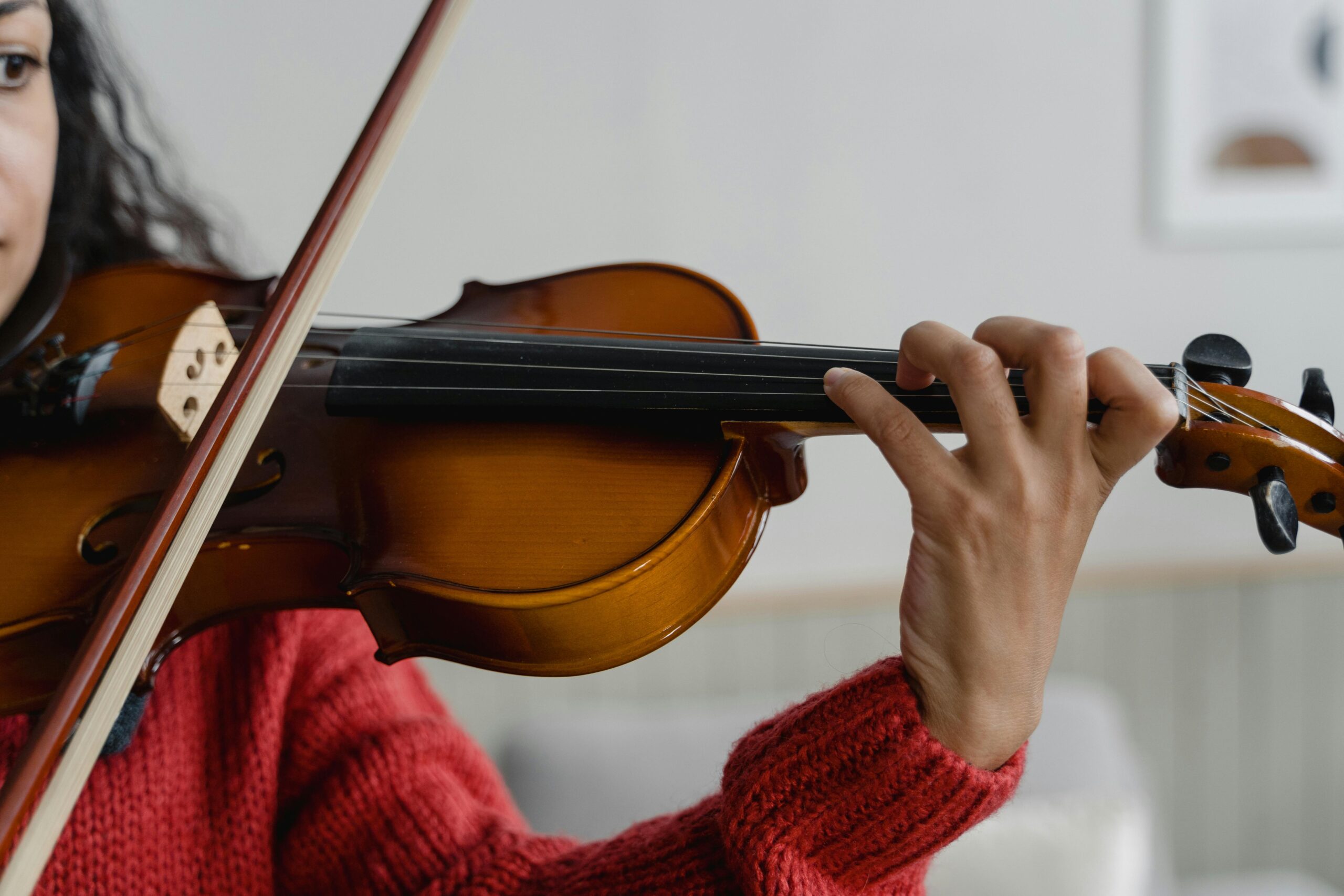
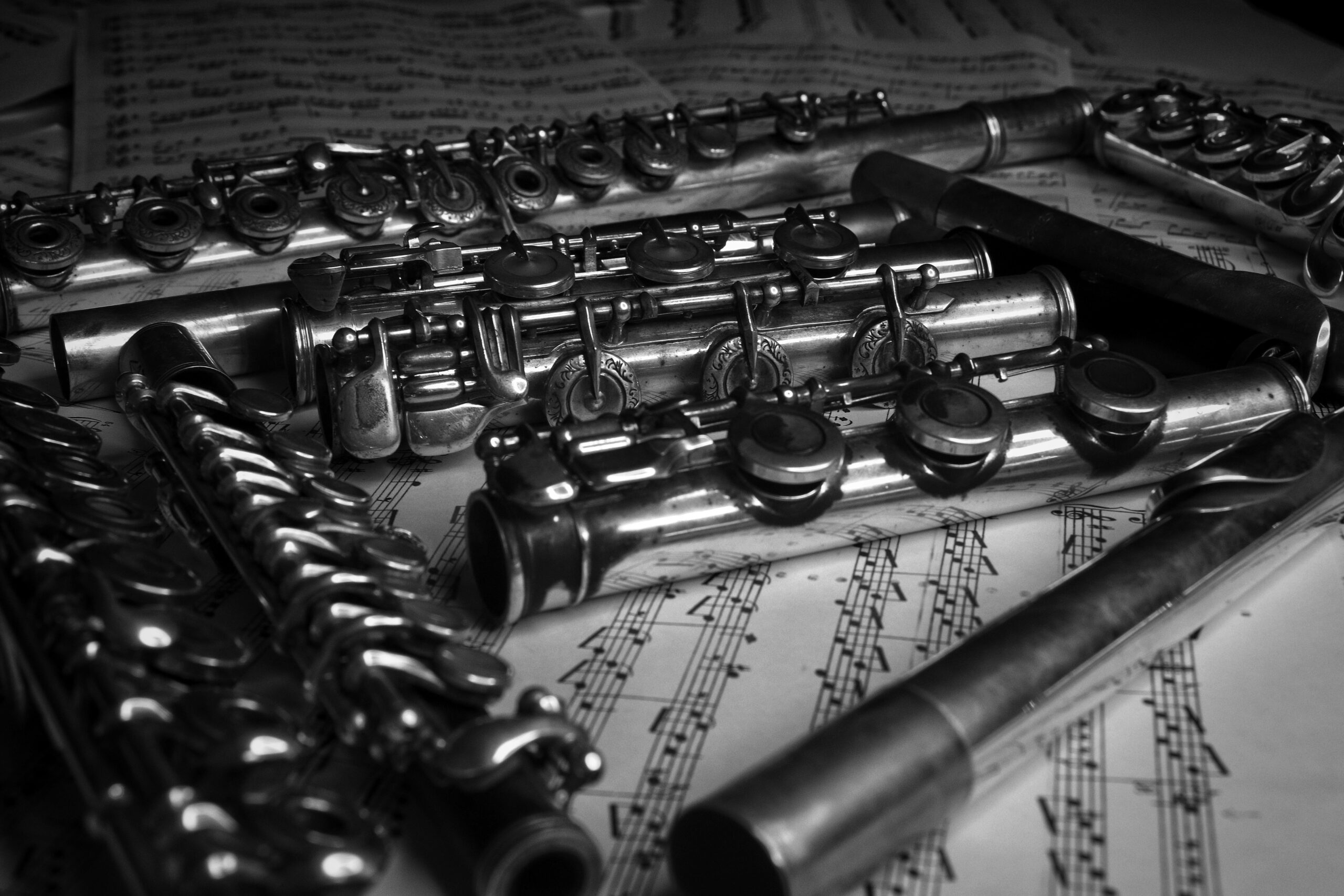
For those drawn to melody, wind instruments like the flute or saxophone provide expressive possibilities, while string instruments like the violin offer classical elegance. Drums and percussion develop rhythm and timing skills that benefit all musical endeavors. Consider factors like physical comfort, musical preferences, practice space, and budget when making your choice.
🎹 The First Rung: Learning to Read and Understand Music
Music literacy forms the foundation of your climbing journey. While some musicians learn by ear, understanding written music unlocks countless resources and accelerates your progress significantly. The staff, clefs, notes, and rests form the language you’ll use throughout your musical life.
Start by familiarizing yourself with the treble and bass clefs. The treble clef typically represents higher-pitched notes, while the bass clef covers lower ranges. Each line and space on the staff represents a specific pitch, and learning these positions is your first major milestone.
Note duration is equally important as pitch. Whole notes, half notes, quarter notes, and their corresponding rests teach you how long to hold each sound or silence. Rhythm gives music its pulse and groove, transforming individual notes into cohesive musical phrases that connect emotionally with listeners.
Essential Music Theory Concepts for Beginners
Music theory might sound intimidating, but the basics are quite accessible. Understanding scales—particularly the major and minor scales—provides the framework for melodies and harmonies. These patterns of notes create the emotional character of music, with major scales typically sounding bright and happy, while minor scales often convey sadness or contemplation.
Intervals describe the distance between two notes and form the basis for building chords. A chord is simply three or more notes played simultaneously, creating harmony. Major chords, minor chords, and seventh chords will become your vocabulary for accompanying songs and creating fuller musical textures.
Time signatures tell you how many beats are in each measure and which note value receives one beat. The most common time signature is 4/4, where four quarter notes fit into each measure. This creates the familiar counting pattern: “one, two, three, four” that you hear in most popular music.
Developing Proper Technique: Building Good Habits from the Start 💪
Physical technique is crucial regardless of which instrument you’ve chosen. Poor habits developed early can lead to injury, limit your progress, and take considerable effort to correct later. Investing time in proper posture, hand position, and movement patterns pays enormous dividends throughout your musical journey.
For keyboard players, curved fingers and relaxed wrists allow for faster, more controlled playing while preventing strain. Guitarists need to develop proper fretting hand technique and picking hand coordination. Wind instrument players must focus on embouchure—the way they position their mouth and lips—along with proper breathing technique.
Start slowly and deliberately. Speed comes naturally as your muscle memory develops, but only if you’ve trained those muscles correctly from the beginning. Practice doesn’t make perfect; perfect practice makes perfect. Even five minutes of focused, correct practice beats an hour of mindless repetition with poor technique.
🎼 Your First Notes: Making Music Immediately
One of the most exciting moments in any musician’s journey is producing their first intentional sounds. Depending on your instrument, this might be a single piano key, a plucked guitar string, or a blown note on a wind instrument. These first notes are monumental—they mark your official entry into the world of music-making.
Begin with simple, single-note exercises. On piano, this might mean playing middle C with different fingers. On guitar, you might practice plucking each open string. These seemingly simple activities develop fundamental skills like tone production, dynamics control, and timing consistency.
As you gain confidence with individual notes, start combining them into simple patterns. Two-note patterns, then three-note sequences, gradually expanding your range and coordination. These exercises aren’t just mechanical—they’re your first compositions, your first musical statements, however simple they may be.
Mastering Your First Scale: A Major Milestone
Learning your first complete scale represents a significant achievement. Most beginners start with the C major scale on piano (all white keys) or a simple pentatonic scale on guitar. This accomplishment demonstrates that you can coordinate multiple notes in sequence while maintaining proper technique and rhythm.
Practice your scale ascending and descending, slowly at first, then gradually increasing tempo as your confidence builds. Use a metronome to develop steady timing—this tool becomes invaluable as you progress. Start at a comfortable pace where you can play every note cleanly, then increase by small increments.
Scales aren’t just exercises; they’re the melodic material of actual music. Listen to songs in your preferred genre and you’ll hear scale passages everywhere. By mastering scales, you’re simultaneously building technique and learning the vocabulary that composers and songwriters use to create melodies that move us.
🎸 Introducing Chords: Creating Harmonic Richness
Chords transform music from single-line melodies into rich, full-textured soundscapes. For pianists, this means playing multiple keys simultaneously. For guitarists, it involves pressing down several strings at once to create specific voicings. This step up the ladder opens enormous creative possibilities.
Begin with the most common chords in your chosen key. For many instruments, the C major, G major, and F major chords provide a foundation for countless songs. These three chords alone can accompany hundreds of popular songs across multiple genres, from folk to rock to pop.
Chord transitions challenge beginners more than the chords themselves. Moving smoothly from one chord to another requires practice and patience. Focus on efficient finger movement—which fingers can stay in place? Which need to move the shortest distance? These small optimizations make transitions fluid and musical rather than choppy and awkward.
Chord Progressions: The Backbone of Songs
Once you can play individual chords, learning common chord progressions accelerates your ability to play actual songs. The I-IV-V progression (for example, C-F-G in the key of C) appears in countless classics. The I-V-vi-IV progression powers many contemporary pop hits and is immediately recognizable.
Practice these progressions with steady rhythm before attempting to play along with songs. Start with whole notes (one chord per four beats), then progress to half notes, and eventually to more complex strumming or accompaniment patterns that match the style of music you want to play.
Rhythm and Timing: The Heartbeat of Music ❤️
Melody and harmony get much attention, but rhythm truly brings music to life. A simple melody with strong rhythm creates more musical impact than a complex melody with poor timing. Developing your rhythmic skills deserves dedicated focus as you climb the musical ladder.
A metronome becomes your best practice companion. This device clicks at regular intervals, providing an unwavering beat to play along with. Begin at slow tempos where you can comfortably maintain accuracy, then gradually increase speed as your precision improves. Many free metronome apps offer additional features like accent patterns and subdivision options.
Counting aloud while playing helps internalize rhythm. Say “one, two, three, four” or use syllables like “ta” for quarter notes and “ti-ti” for eighth notes. This vocalization connects your intellectual understanding of rhythm with your physical execution, creating stronger neural pathways for musical timing.
📱 Leveraging Technology for Accelerated Learning
Modern technology offers unprecedented resources for music learners. Interactive apps provide immediate feedback, game-like progression systems, and vast libraries of songs at various difficulty levels. These tools complement traditional instruction methods and make practice more engaging.
Apps for learning music theory break down complex concepts into digestible lessons with interactive exercises. Ear training applications develop your ability to recognize intervals, chords, and melodies by sound alone—a critical skill for any musician. Tuning apps ensure your instrument sounds correct, while recording apps let you capture and review your practice sessions.
Video platforms offer thousands of free tutorials covering every instrument and style imaginable. You can watch professional musicians demonstrate techniques, learn specific songs step-by-step, and access master classes that once required expensive private lessons or conservatory attendance.
Playing Your First Simple Song: The Breakthrough Moment 🌟
Everything you’ve learned converges when you play your first complete song. This milestone transforms you from someone practicing music to someone making music. Choose a song that genuinely excites you—motivation matters more than technical showcase when selecting your first piece.
Simple folk songs, children’s melodies, or stripped-down versions of popular songs make excellent starting points. “Twinkle Twinkle Little Star,” “Happy Birthday,” or basic three-chord songs provide achievable goals while still delivering the satisfaction of playing recognizable music.
Break the song into small sections and master each separately before connecting them. Learn the verse thoroughly before tackling the chorus. Practice transitions between sections until they flow smoothly. This sectional approach prevents overwhelm and builds confidence through accumulated small victories.
Performance Practice: Playing for Others
Once you’ve mastered a simple song privately, consider sharing it with others. Performance adds a dimension to music-making that practice alone cannot provide. Start small—play for family members or close friends in a comfortable, low-pressure environment.
Nervousness is completely normal and actually indicates that you care about your performance. Channel this energy positively through deep breathing, thorough preparation, and remembering that mistakes are part of the learning process. Every professional musician has experienced performance anxiety; managing it is part of becoming a complete musician.
Building a Practice Routine: Consistency Creates Success
Regular practice matters far more than marathon sessions. Fifteen minutes daily outperforms two hours once weekly because motor skills and muscle memory develop through consistent repetition over time. Your brain consolidates learning during sleep, so daily practice provides constant reinforcement.
Structure your practice time for maximum efficiency. Begin with warm-up exercises—scales, arpeggios, or technical drills—to prepare your body and mind. Spend the middle portion working on challenging material that requires focused attention. End with something enjoyable, perhaps reviewing songs you already know or improvising freely.
Track your progress in a practice journal. Note what you worked on, what felt difficult, and what improved. This documentation provides motivation during plateaus by showing how far you’ve actually come, and it helps identify patterns in your learning that can inform future practice decisions.
🎯 Setting Milestones and Celebrating Progress
The musical ladder consists of countless rungs, and each deserves recognition. Set specific, measurable goals for your practice: “Learn the C major scale at 80 beats per minute,” “Play three chord transitions smoothly,” or “Perform one complete song for a family member.” These concrete objectives provide direction and measurable achievement.
Celebrate when you reach these milestones, no matter how small they might seem. Learning an instrument requires persistent effort, and acknowledging progress reinforces positive practice habits. Record yourself playing periodically to capture your improvement over time—these recordings become treasured documentation of your musical journey.
Remember that progress isn’t always linear. Plateaus are normal and often precede breakthroughs. During these frustrating periods, maintain your practice routine, perhaps exploring different aspects of musicianship or learning repertoire in a different style to maintain engagement and perspective.
Connecting with the Music Community
Learning music doesn’t have to be a solitary pursuit. Connecting with other musicians provides motivation, inspiration, and practical learning opportunities. Local music schools often offer group classes or ensemble opportunities for beginners. Community centers, churches, and recreational facilities frequently host music groups welcoming new members.
Online communities offer connection regardless of location. Forums, social media groups, and video chat rooms dedicated to specific instruments or musical styles provide spaces to ask questions, share progress, and receive encouragement from people at various stages of their own musical journeys.
Finding a teacher, even for occasional lessons, accelerates progress immensely. A qualified instructor identifies technical issues you might miss, provides structured curriculum, and offers personalized feedback impossible to obtain from books or videos alone. Many teachers now offer online lessons, expanding access beyond geographical limitations.

The Journey Continues: Where the Ladder Leads
Mastering first notes and simple songs represents just the beginning of your musical adventure. The ladder extends upward infinitely—there’s always more to learn, new styles to explore, and greater technical challenges to conquer. This endless potential is part of what makes music such a fulfilling lifelong pursuit.
As you progress, you’ll develop your own musical voice and preferences. Perhaps you’ll gravitate toward classical repertoire with its structured complexity, or maybe improvisation in jazz or blues will captivate you. You might discover a passion for composition, creating original music that expresses your unique perspective.
The skills you develop through music extend far beyond the instrument itself. Discipline, patience, attention to detail, and the ability to work toward long-term goals transfer to every area of life. Music enhances cognitive function, emotional intelligence, and provides a creative outlet that enriches your existence in countless ways.
Your first steps on the musical ladder might feel tentative, but each practice session strengthens your foundation. The journey from first notes to playing songs is challenging but immensely rewarding. With patience, consistent practice, and genuine passion for the art form, you’ll find yourself climbing higher than you ever imagined possible. The view from each new rung reveals musical possibilities you couldn’t see from below, and the joy of making music grows deeper with every achievement. Step up to music today—your musical future awaits! 🎶